Introduction
Cloves are aromatic flower buds commonly used as a spice in cooking, traditional remedies, and warm beverages. They contain natural compounds, including eugenol, that have been studied for their biological properties. At the same time, vitamin D is an essential nutrient that helps the body absorb calcium and maintain healthy bones and muscles.
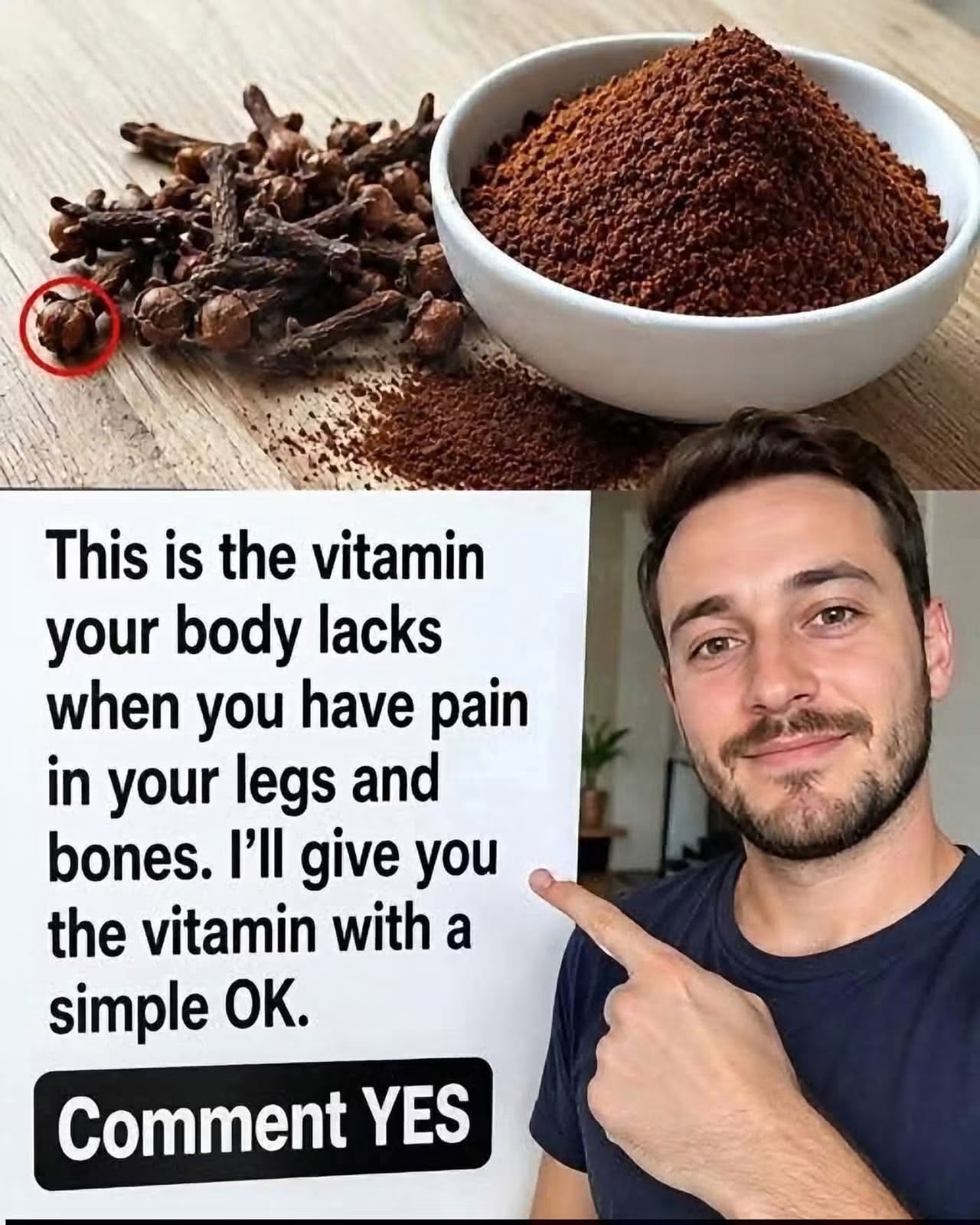
Some online posts suggest that cloves are the missing vitamin or that they can treat pain in the legs and bones. This claim is misleading. Cloves are a spice, not a vitamin supplement, and there is no reliable evidence that eating cloves or drinking clove water cures bone pain caused by vitamin deficiency.
However, understanding the nutritional value of cloves and the role of vitamin D can help people make informed choices about their health. This article explains the potential benefits of cloves, the relationship between vitamin D and bone pain, dietary sources of important nutrients, and precautions to consider before using supplements or home remedies.
What Are Cloves
Cloves are the dried flower buds of the clove tree, scientifically known as Syzygium aromaticum. They are used in many cuisines to flavor soups, sauces, baked goods, marinades, and hot drinks.
Cloves have a strong aroma and a warm, slightly sweet taste. Their distinctive flavor comes partly from eugenol, a naturally occurring compound found in clove oil.
Cloves are usually consumed in small amounts as a culinary spice. Although researchers have investigated some of their compounds, many proposed medicinal benefits have not been adequately confirmed in human studies.
Nutritional Properties of Cloves
Cloves contain several naturally occurring compounds and small amounts of certain nutrients.
Eugenol
Eugenol is one of the main aromatic compounds found in cloves. Laboratory research suggests that it has properties that may affect inflammation and microorganisms. However, results from laboratory studies do not automatically mean that eating cloves will treat a medical condition.
The concentration of eugenol can vary between whole cloves, ground cloves, extracts, and essential oils. These products should not be treated as interchangeable.
Antioxidant Compounds
Cloves contain plant compounds with antioxidant activity. Antioxidants help protect cells against oxidative damage as part of the body’s normal biological processes.
Including spices, vegetables, fruits, and other plant foods in a varied diet can contribute to overall nutritional quality. Nevertheless, the antioxidant content of cloves does not prove that they can cure chronic pain or repair damaged bones.
Minerals
Cloves provide small amounts of minerals, including manganese and calcium, depending on the serving size. They are normally consumed in quantities too small to serve as a primary source of essential nutrients.
For healthy bones, it is more important to maintain an adequate overall intake of calcium, vitamin D, protein, and other nutrients through food and, when necessary, medically appropriate supplementation.
Can Cloves Relieve Pain in the Legs and Bones
There is not enough reliable clinical evidence to conclude that cloves treat pain in the legs or bones.
Although eugenol has been investigated for certain biological and pain-related properties, this does not establish cloves as an effective treatment for bone pain, arthritis, or vitamin deficiencies.
Pain in the legs can have many possible causes, including:
- Muscle strain or overuse
- Joint conditions such as osteoarthritis
- Injuries involving bones, tendons, or ligaments
- Nerve irritation or compression
- Circulation problems
- Certain nutritional deficiencies
- Other medical conditions requiring professional evaluation
The appropriate treatment depends on the cause. Using cloves as a seasoning is generally different from taking concentrated clove products or attempting to treat persistent pain with a homemade remedy.
If pain continues, becomes severe, or interferes with walking, seek medical advice rather than relying on cloves alone.
Which Vitamin Can Be Associated With Bone Pain
Vitamin D is particularly important for bone health because it helps the body absorb calcium. Severe and prolonged vitamin D deficiency can lead to osteomalacia in adults, a condition in which bones do not mineralize properly and may become weak and painful.
Vitamin D also contributes to normal muscle function. Some people with significant deficiency experience muscle weakness alongside bone discomfort.
However, bone pain does not automatically indicate vitamin D deficiency. Other medical conditions can produce similar symptoms, so a healthcare professional may need to assess the person’s history, symptoms, and possible risk factors.
Signs That May Occur With Vitamin D Deficiency
Vitamin D deficiency can sometimes cause no obvious symptoms. When symptoms occur, they may include:
- Bone pain or tenderness
- Muscle weakness
- Difficulty climbing stairs or getting up from a chair
- Reduced bone strength in prolonged or severe cases
- A greater risk of certain bone problems
These symptoms are not specific to vitamin D deficiency. A blood test may be recommended when a healthcare professional believes testing is appropriate.
Can Cloves Replace Vitamin D Supplements
No. Cloves do not provide a substitute for vitamin D supplementation when supplementation is medically indicated.
People with confirmed vitamin D deficiency may need a supplement at an appropriate dose. The correct amount depends on factors such as age, health status, diet, and the severity of the deficiency.
Do not take high-dose vitamin D simply because your legs hurt. Excessive intake can cause dangerously high calcium levels and may damage the kidneys.
Foods That Help Support Bone Health
A varied diet can help provide the nutrients needed for healthy bones and muscles.
Fatty Fish
Salmon, sardines, trout, and mackerel are useful dietary sources of vitamin D. They also provide protein, and some varieties contain omega-3 fatty acids.
Eggs
Egg yolks contain small amounts of vitamin D, along with other nutrients. Eggs can contribute to a balanced diet but should not be considered a complete solution for a significant deficiency.
Fortified Foods
Some milk products, plant-based drinks, breakfast cereals, and other foods have vitamin D added during production. Check product labels because fortification varies by brand and country.
Calcium-Rich Foods
Milk, yogurt, cheese, and suitable fortified alternatives can provide calcium. Some leafy green vegetables, beans, and other foods also contribute calcium.
Vitamin D and calcium work together to support bone health, but the amount needed varies between individuals.
Protein-Rich Foods
Fish, eggs, beans, lentils, dairy products, and other protein sources help support muscle maintenance. Adequate protein is especially important as people age and when recovering from certain illnesses or injuries.
Safe Ways to Use Cloves in Everyday Life
Cloves can be included in meals for flavor without treating them as medicine.
Add Cloves to Cooking
A small amount of whole or ground cloves can be added to soups, sauces, rice dishes, marinades, and baked goods. Their flavor is strong, so only a small quantity is usually needed.
Prepare a Warm Spiced Drink
You can add a small amount of culinary cloves to a warm drink for flavor, provided the ingredients are suitable for your individual health needs. Such a drink should be regarded as a beverage, not a treatment for bone pain or vitamin deficiency.
There is no established clove-water recipe proven to correct nutritional deficiencies or relieve persistent leg pain.
Use Whole Spices Rather Than Concentrated Oils
Whole cloves used in normal cooking are different from concentrated clove essential oil. Essential oils can contain much higher concentrations of active compounds and may be harmful if swallowed or used improperly.
Never swallow clove essential oil as a home remedy, and do not apply concentrated oil to the skin or mouth without appropriate professional guidance.
Precautions and Possible Side Effects of Cloves
Cloves are commonly used in small culinary amounts, but concentrated products deserve greater caution.
Possible Irritation
Concentrated clove oil can irritate the skin, gums, and other tissues. Applying it directly to sensitive areas may cause burning or injury.
Medication Interactions
Eugenol may affect blood clotting. People who take anticoagulants, aspirin, or other medicines that affect bleeding should consult a healthcare professional before using concentrated clove products or supplements.
People taking medication for diabetes should also seek advice before using concentrated clove supplements, because potential effects on blood sugar may complicate treatment.
Pregnancy and Breastfeeding
Cloves used in ordinary food amounts are different from medicinal preparations or concentrated supplements. The safety of larger medicinal amounts during pregnancy and breastfeeding is not well established. Discuss such products with a qualified healthcare professional.
Children and Essential Oils
Clove essential oil can be toxic if swallowed, especially by children. Keep concentrated oils away from children and never use them as an unsupervised home treatment.
Practical Ways to Protect Bone and Muscle Health
Cloves alone cannot maintain bone strength or resolve every cause of pain. The following habits can help support general bone and muscle health.
Eat a Balanced Diet
Include vegetables, fruits, whole grains, protein-rich foods, and sources of calcium and vitamin D. Dietary variety is more beneficial than relying on one spice or a single so-called miracle ingredient.
Stay Physically Active
Appropriate weight-bearing activity, walking, and strength exercises can support bones and muscles. Choose activities that match your abilities, and seek advice before exercising if you have severe pain or a recent injury.
Discuss Vitamin D Risk Factors With a Healthcare Professional
Some people may be more likely to develop vitamin D deficiency because of limited dietary intake, certain medical conditions, reduced absorption of nutrients, or other individual factors.
A healthcare professional can help determine whether testing or supplementation is appropriate.
Avoid Excessive Supplementation
Taking large amounts of vitamins or minerals without medical advice can be harmful. Supplements should address an identified need or a specific recommendation rather than replace proper evaluation of unexplained symptoms.
When Should You Seek Medical Attention
Arrange a medical assessment if bone pain persists, repeatedly returns, or is accompanied by unexplained muscle weakness.
Seek urgent care if you cannot bear weight after an injury, have severe pain or swelling, or develop a hot, red joint with fever. Sudden swelling and pain in one leg can sometimes indicate a blood clot. If these symptoms occur with chest pain or shortness of breath, seek emergency medical assistance.
Do not delay medical care to try clove water, vitamins, or other home remedies when symptoms suggest a potentially serious problem.
Frequently Asked Questions
Are cloves a vitamin?
No. Cloves are a spice made from dried flower buds. They contain plant compounds and small amounts of certain nutrients, but they are not a vitamin supplement.
Can cloves cure bone pain?
There is insufficient reliable clinical evidence that cloves cure bone pain. Persistent pain should be assessed to identify its underlying cause.
Does vitamin D deficiency cause leg pain?
Severe vitamin D deficiency can contribute to bone pain and muscle weakness. However, many other conditions can cause leg pain, so symptoms alone cannot confirm a deficiency.
Can I drink clove water every day?
There is no established medicinal dose of clove water proven to treat bone pain. Concentrations can vary, and excessive use of concentrated preparations may be harmful. Using small amounts of cloves in normal cooking is a more established way to enjoy the spice.
What should I eat to support healthy bones?
Foods containing calcium, vitamin D, and protein can help support bone health. Examples include fish, eggs, fortified foods, dairy products or suitable alternatives, beans, and a variety of vegetables.
Should I take vitamin D if my bones hurt?
Not automatically. A healthcare professional can assess your symptoms and determine whether vitamin D testing or supplementation is appropriate.
Conclusion
Cloves are a flavorful spice containing eugenol and other plant compounds. They can be included in a balanced diet, but there is not enough reliable evidence to recommend cloves as a treatment for leg pain, bone pain, or vitamin deficiency.
Vitamin D is essential for calcium absorption and healthy bones. Severe deficiency can cause bone pain and muscle weakness, but pain can also arise from many other conditions.
The safest approach is to maintain a varied diet, use spices in normal culinary amounts, avoid unproven high-dose remedies, and seek medical advice for persistent or unexplained pain. Correctly identifying the cause of symptoms is more effective than assuming that one spice or vitamin can treat every problem.
This article is for general educational purposes and is not a substitute for professional medical advice, diagnosis, or treatment.