Introduction
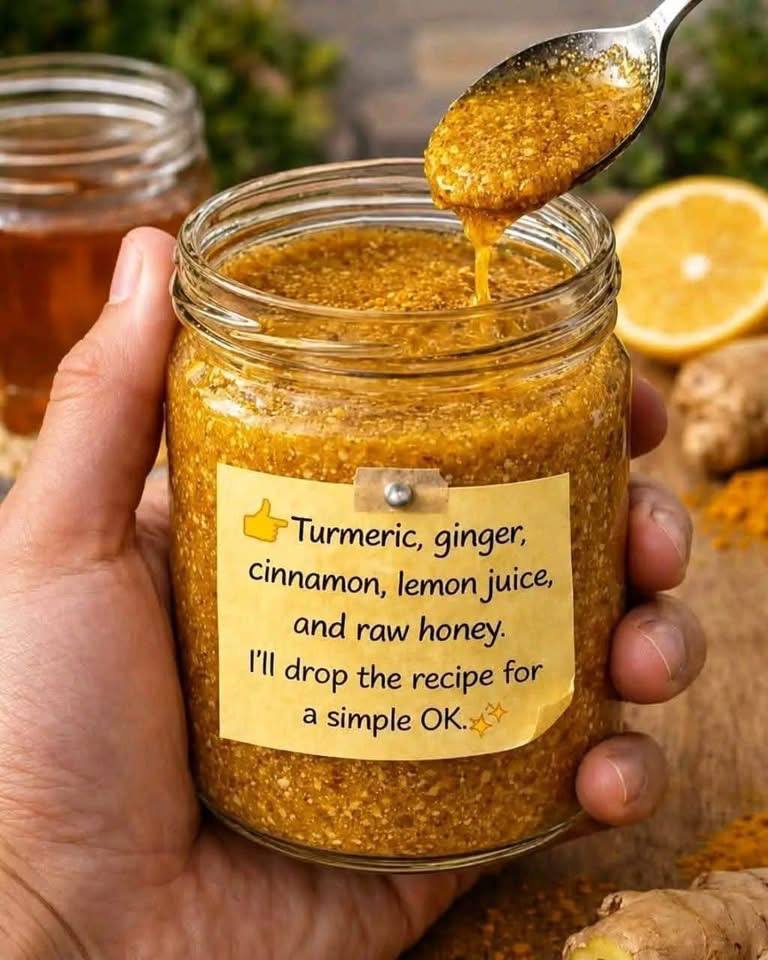
Turmeric, ginger, cinnamon, lemon juice, and honey are popular ingredients used in traditional cooking and homemade wellness recipes. Each ingredient has a distinctive flavor and can be incorporated into a balanced diet in different ways.
Turmeric is known for its golden color, ginger adds a warm and spicy taste, cinnamon provides a sweet aroma, lemon contributes a refreshing citrus flavor, and honey adds natural sweetness. Together, these ingredients create a flavorful mixture that can be enjoyed in small quantities as part of an everyday eating routine.
Many people use combinations of these ingredients in warm drinks or homemade mixtures, particularly during colder months. However, it is important to distinguish traditional uses from scientifically established health benefits. Although some ingredients have been studied for their biological properties, this mixture has not been proven to prevent or cure diseases, burn fat, or replace prescribed medication.
This article explores the nutritional properties of turmeric, ginger, cinnamon, lemon, and honey, explains how to prepare a simple homemade mixture, and provides practical advice for using these ingredients safely.
What Is the Turmeric Ginger Cinnamon Lemon and Honey Mixture
This homemade mixture combines five familiar kitchen ingredients into a thick paste or concentrate.
Turmeric provides its characteristic yellow-orange color. Ginger contributes a sharp, warming flavor, while cinnamon adds sweetness and fragrance. Lemon juice gives the mixture a slightly acidic taste, and honey helps bind the ingredients together.
The mixture can be added to warm water or used in small quantities to flavor foods. Its nutritional value depends on the ingredients, their proportions, and the amount consumed.
It should be considered a food preparation rather than a proven medicinal treatment.
Potential Benefits of Turmeric
Turmeric is a spice commonly used in South Asian, Middle Eastern, and other cuisines. It contains curcumin, a naturally occurring compound that has received scientific attention.
Contains Plant Compounds
Curcumin and other compounds in turmeric have been studied for their antioxidant and inflammation-related properties. However, laboratory findings do not automatically translate into proven health benefits from eating ordinary culinary amounts.
The amount of curcumin available from turmeric powder is also relatively limited, and the body does not absorb it particularly well.
Adds Flavor to Balanced Meals
Turmeric can add flavor and color to soups, rice, vegetable dishes, sauces, and marinades. Using spices to make nutritious meals more enjoyable can support a varied eating pattern.
Is Turmeric a Treatment for Inflammation
Research has investigated curcumin in relation to certain inflammatory conditions, but findings vary, and evidence is not sufficient to treat turmeric as a replacement for medical care. Concentrated curcumin supplements also differ significantly from turmeric used in cooking.
People who take medication regularly should consult a healthcare professional before starting concentrated turmeric supplements.
Potential Benefits of Ginger
Ginger is a widely used culinary ingredient with a distinctive spicy taste. It contains natural compounds, including gingerols, that have been investigated in scientific research.
Supports Certain Digestive Symptoms
Some clinical evidence suggests that ginger may help with certain types of nausea. The strength of the evidence depends on the situation, and results from specific preparations cannot automatically be applied to every homemade ginger drink.
Ginger is not a guaranteed treatment for all digestive problems.
Adds Flavor Without Excessive Sweetness
Fresh or ground ginger can make drinks and meals flavorful without requiring large amounts of added sugar.
Possible Side Effects
Large quantities of ginger or concentrated supplements may cause heartburn, stomach discomfort, or diarrhea in some people. Anyone taking medication that affects blood clotting should ask a healthcare professional before using high-dose ginger supplements.
Potential Benefits of Cinnamon
Cinnamon is a fragrant spice made from the inner bark of certain trees. It is commonly used in baked goods, porridge, hot beverages, and savory dishes.
Helps Flavor Foods
Cinnamon provides a naturally sweet aroma, which can make foods enjoyable without relying entirely on added sugar.
Cinnamon and Blood Sugar Research
Researchers have studied cinnamon for possible effects on blood glucose and other metabolic measures. Results are inconsistent, and cinnamon should not be considered a substitute for diabetes medication, dietary advice, or blood glucose monitoring.
Choose Cinnamon Carefully
Cassia cinnamon, a common variety, can contain relatively high amounts of coumarin. Consuming large amounts regularly may pose a risk to the liver in susceptible individuals.
Ceylon cinnamon generally contains much lower amounts of coumarin. People who want to use cinnamon frequently may wish to consider this distinction, particularly if they have liver disease or take medications that affect the liver.
Potential Benefits of Lemon Juice
Lemon juice adds a refreshing citrus flavor and contains vitamin C, a nutrient needed for normal immune function, collagen formation, and wound healing.
Provides Vitamin C
Vitamin C helps the body absorb iron from plant-based foods and supports several normal physiological processes. Lemon juice can contribute to dietary vitamin C intake, although the amount depends on the quantity used.
Makes Drinks More Enjoyable
Adding lemon juice to water can make hydration more appealing for people who prefer flavored drinks.
Protect Your Teeth
Lemon juice is acidic. Frequent exposure to acidic drinks may contribute to dental enamel erosion over time.
To reduce exposure, avoid slowly sipping highly acidic drinks throughout the day, rinse your mouth with plain water afterward, and wait before brushing your teeth.
People who experience acid reflux may also find that lemon juice worsens their symptoms.
Potential Benefits of Honey
Honey is a natural sweetener produced by bees from flower nectar. It contains sugars and small quantities of other compounds, but its primary nutritional contribution is carbohydrate energy.
Provides Sweetness
Honey can make a homemade drink or paste more pleasant to consume. A small quantity may be sufficient because its flavor is concentrated.
Honey and Cough Relief
Some evidence suggests that honey may help ease cough symptoms in certain situations, particularly in children older than one year. It does not treat the underlying cause of every cough or replace medical evaluation when symptoms are serious.
Honey must never be given to infants younger than 12 months because of the risk of infant botulism.
Remember the Sugar Content
Although honey is often described as natural, it still contains substantial amounts of sugar. People managing diabetes or limiting added sugars should consider portion size and their overall diet.
How to Prepare a Simple Homemade Mixture
This recipe is intended as a food preparation for flavor, not as a treatment for illness or a guaranteed way to improve health.
Ingredients
- 2 tablespoons of honey
- 1 teaspoon of freshly grated ginger
- 1 teaspoon of turmeric powder
- One-quarter teaspoon of cinnamon
- 1 to 2 teaspoons of fresh lemon juice
These quantities are an example of a small batch, not a medically established dose. You can adjust the flavors to suit your preferences.
Preparation Instructions
- Wash your hands and use a clean bowl and spoon.
- Add the honey to the bowl.
- Mix in the grated ginger and turmeric powder.
- Add the cinnamon and lemon juice.
- Stir until the ingredients are evenly combined.
- Transfer the mixture to a clean, food-safe container.
For a drink, stir a small amount into a cup of warm water. Avoid using boiling water if you prefer a cooler, more comfortable beverage.
Because the mixture contains fresh ingredients and added moisture, do not assume it is shelf-stable. Refrigerate it promptly in a clean, covered container, prepare small quantities, and discard it if its smell, appearance, or texture changes unexpectedly. Follow appropriate food-safety practices.
How Much Should You Consume
There is no scientifically established daily dose of this five-ingredient mixture that provides a particular medical benefit.
For most adults who tolerate these ingredients, small culinary quantities can be included in an ordinary diet. There is no need to take a spoonful every night or follow a fixed schedule to obtain a proven therapeutic effect.
Avoid increasing the amounts in the belief that more will produce better results. Large quantities may cause digestive discomfort, excessive sugar intake, or other problems depending on the ingredients and your health.
If you have a medical condition, take regular medication, or are pregnant or breastfeeding, ask a qualified healthcare professional before using concentrated preparations or supplements.
What This Mixture Cannot Be Proven to Do
Online posts sometimes claim that combinations of turmeric, ginger, cinnamon, lemon, and honey can produce dramatic changes in a few days. Such claims should be treated cautiously.
There is no strong clinical evidence that this exact mixture:
- Cures chronic diseases
- Replaces prescribed medicines
- Removes belly fat directly
- Permanently boosts the immune system
- Detoxifies the body in a special way
- Treats every digestive problem
- Guarantees weight loss or improved blood sugar
The body already has organs, including the liver and kidneys, that perform essential waste-processing and elimination functions.
A healthy eating pattern can support normal body functions, but no single drink or paste provides a shortcut to overall health.
Who Should Be Careful With This Mixture
People Taking Medication
Turmeric, ginger, and cinnamon supplements may interact with certain medications. The risks depend on the ingredient, amount, formulation, and medication involved.
If you take anticoagulants, diabetes medication, or medication that affects liver function, seek professional advice before using concentrated supplements or large medicinal amounts of these spices.
People With Digestive Sensitivities
Ginger and lemon may aggravate heartburn or reflux in some people. Large quantities of spices can also cause stomach discomfort.
If the mixture causes burning, nausea, abdominal pain, or diarrhea, stop consuming it.
People With Diabetes
Honey contains sugar and can raise blood glucose. If you have diabetes, include honey in your overall carbohydrate intake rather than assuming that a natural sweetener is sugar-free.
Pregnant or Breastfeeding People
Ordinary culinary amounts of these ingredients are different from concentrated supplements or medicinal preparations. Safety information for large amounts is limited, so consult a healthcare professional before using them for therapeutic purposes.
People With Liver Problems
Some supplements containing turmeric or curcumin have been associated with rare cases of liver injury. Cinnamon containing substantial amounts of coumarin may also be unsuitable in excessive quantities for people at risk of liver problems.
Seek medical advice before using concentrated products, and stop a supplement and seek prompt medical attention if you develop unusual yellowing of the skin or eyes, dark urine, or other concerning symptoms.
Healthy Habits That Matter More Than One Recipe
If your goal is better general health, this mixture should be only a small part of a broader routine.
Eat a Varied Diet
Include vegetables, fruits, whole grains, protein-rich foods, and suitable sources of healthy fats. Spices can improve the flavor of these foods without becoming the center of your diet.
Stay Hydrated
Drink water regularly according to your needs, activity level, and environment. Unsweetened drinks are useful alternatives to beverages with added sugar.
Stay Physically Active
Regular physical activity supports cardiovascular health, muscle function, and overall well-being. Choose activities appropriate for your abilities and medical circumstances.
Get Enough Sleep
Consistent sleep habits can support daily energy, mood, and general health.
Follow Medical Advice
If you have persistent symptoms or a diagnosed condition, use evidence-based treatments recommended by a qualified professional. Homemade recipes should not delay diagnosis or necessary medical care.
Frequently Asked Questions
Can I take this mixture every day?
Small culinary amounts may suit many adults, but daily use is not necessary and has not been proven to provide a specific medical benefit. Consider the sugar content and your individual health circumstances.
Does this mixture help with weight loss?
There is no reliable evidence that this exact recipe directly burns fat or causes substantial weight loss. Replacing sugary drinks with lower-sugar alternatives and maintaining sustainable eating and activity habits can support weight management.
Can it cure a cold or flu?
No. This mixture may be a comforting food or drink, but it has not been proven to cure viral infections. Seek medical advice if symptoms are severe, persistent, or accompanied by warning signs.
Can I mix it with warm water?
Yes, if you tolerate the ingredients. A small amount can be stirred into warm water for flavor. The drink should not be regarded as a substitute for medical treatment.
Is raw honey healthier than ordinary sugar?
Honey has a different flavor and may contain small quantities of other compounds, but it remains a source of sugar. It should be consumed in moderation, particularly by people managing blood glucose.
Can I use ground ginger instead of fresh ginger?
Ground ginger can be used for convenience. Its flavor and composition differ from fresh ginger, so the amount may need adjustment. Neither form has been proven to make this particular mixture a cure for disease.
Conclusion
Turmeric, ginger, cinnamon, lemon juice, and honey are familiar ingredients that can add flavor and variety to everyday meals and drinks. Some have been studied for specific properties, and ginger may help with certain types of nausea, while honey may ease some cough symptoms in people older than one year.
However, these ingredients should not be presented as a proven cure or as a replacement for prescribed medication. The health effects of a combined homemade mixture have not been established, and excessive quantities can cause side effects or interact with medications.
Enjoy the ingredients in sensible culinary amounts, pay attention to sugar intake, follow food-safety practices, and seek professional advice when needed. A balanced diet and consistent healthy habits remain more dependable foundations for long-term well-being.
This article is for general educational purposes and is not a substitute for professional medical advice, diagnosis, or treatment.