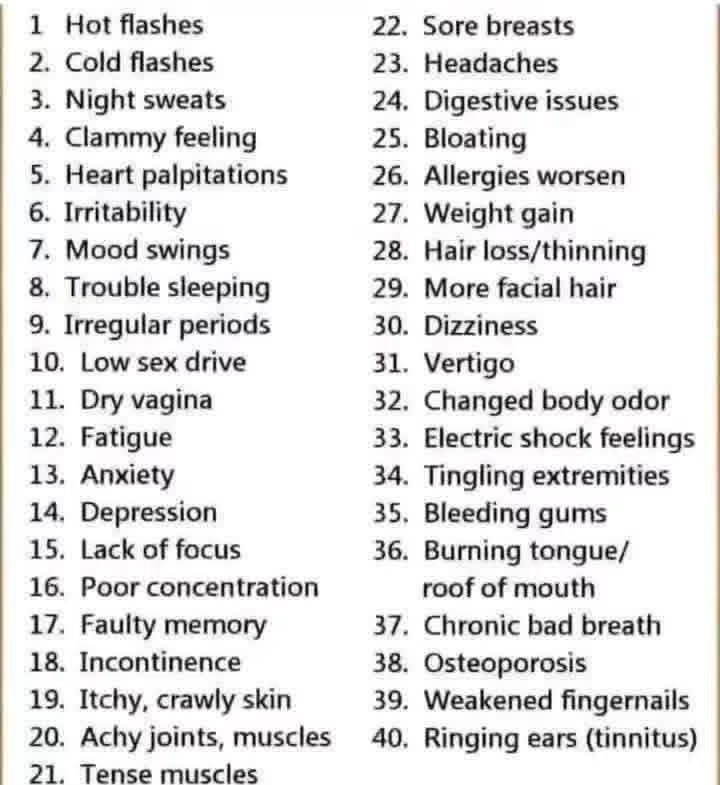
Perimenopause and menopause are natural stages of life that can bring a variety of physical and emotional changes. Some people experience only a few symptoms, while others notice several changes at the same time.
Hormonal changes during the menopause transition can affect menstrual cycles, sleep, temperature regulation, mood, sexual health, and other aspects of daily life.
However, not every symptom that occurs during midlife is necessarily caused by menopause. Some symptoms can have other explanations, so persistent or unusual changes should be discussed with a qualified healthcare professional.
What Is Perimenopause
Perimenopause is the period leading up to menopause.
During this stage, hormone levels can fluctuate, and menstrual periods may become irregular. The length of perimenopause varies from person to person.
Some people notice symptoms several years before their final menstrual period, while others experience relatively few changes.
Menopause is reached after a person has gone 12 consecutive months without a menstrual period, when there is no other obvious cause for the absence of periods.
Common Symptoms of Menopause
The following symptoms can occur during perimenopause or menopause. Experiencing one or more of them does not necessarily mean that menopause is the cause.
1. Hot Flashes
Hot flashes are sudden feelings of warmth, often affecting the face, neck, chest, or upper body.
They may be accompanied by sweating or a feeling of discomfort.
Hot flashes are among the symptoms commonly associated with the menopause transition.
2. Night Sweats
Some people experience episodes of sweating during sleep.
Night sweats can interfere with sleep and may contribute to daytime tiredness.
However, night sweating can also have other causes, so persistent symptoms should be evaluated appropriately.
3. Sleep Difficulties
Changes in sleep can occur during midlife.
Some people have difficulty falling asleep, wake frequently during the night, or wake earlier than expected.
Night sweats and changes in mood can also make sleep more difficult.
4. Mood Changes
Hormonal fluctuations may coincide with changes in mood.
Some people report increased irritability, emotional sensitivity, or mood swings during the menopause transition.
Significant or persistent changes in mood should not automatically be attributed to menopause.
5. Difficulty Concentrating
Some people notice temporary changes in concentration or mental clarity.
You may find it harder to stay focused on a task or remember small details.
Poor sleep, stress, medications, and other health factors can also affect concentration.
6. Changes in Memory
Occasional forgetfulness can occur during midlife.
For example, someone may temporarily forget a name or why they entered a room.
Frequent or worsening memory problems deserve professional evaluation rather than being automatically attributed to menopause.
7. Irregular Periods
Changes in menstrual cycles are common during perimenopause.
Periods may become:
- More frequent
- Less frequent
- Heavier
- Lighter
- Longer
- Shorter
Menstrual changes can have several possible causes, so unusual bleeding should be discussed with a healthcare professional.
8. Lower Sexual Desire
Some people experience changes in sexual desire during menopause.
Hormonal changes, stress, relationship factors, sleep problems, and physical discomfort can all influence libido.
A lower sex drive is not necessarily a problem unless it causes personal distress.
9. Vaginal Dryness
Reduced estrogen levels during menopause can contribute to vaginal dryness.
This may cause discomfort during sexual activity or general irritation.
Several treatments and supportive options are available, so people experiencing persistent discomfort can discuss their options with a healthcare professional.
10. Fatigue
Feeling tired can have many causes.
Changes in sleep, stress, lifestyle, hormonal changes, and other health conditions may contribute to fatigue.
Persistent or severe tiredness should be investigated rather than automatically considered a menopause symptom.
Other Changes That May Occur
Headaches
Some people notice changes in headaches during the menopause transition.
Hormonal fluctuations may play a role for some individuals, but headaches can have many causes.
New, severe, or unusual headaches should receive appropriate medical attention.
Bloating and Digestive Changes
Some people report bloating or changes in digestion during midlife.
Diet, stress, medications, digestive conditions, and hormonal changes can all influence digestive symptoms.
Persistent abdominal symptoms should be evaluated if they do not improve.
Weight Changes
Changes in body composition and weight distribution can occur during midlife.
Age, physical activity, dietary habits, sleep, hormones, and genetics can all influence body weight.
Menopause should not be considered the only possible explanation for weight gain.
Joint and Muscle Discomfort
Some people report aches or stiffness during the menopause transition.
However, joint and muscle symptoms can have many possible causes, including physical activity, injuries, arthritis, and other conditions.
Persistent pain should be assessed appropriately.
Dry or Itchy Skin
Skin can become drier with age.
Hormonal changes may also influence skin characteristics during menopause.
Using a gentle cleanser and a suitable moisturizer may help support comfortable skin.
Hair Thinning
Hair density can change with age and hormonal fluctuations.
However, hair loss can also be related to nutritional deficiencies, thyroid conditions, medications, stress, and other factors.
Significant or sudden hair loss should be evaluated by a healthcare professional.
Changes in Body Odor
Changes in sweating and skin can sometimes affect body odor.
Hygiene, clothing, diet, medications, and hormonal changes may all play a role.
A sudden unexplained change should be discussed with a healthcare professional if it persists.
Tingling or Unusual Sensations
Some people may experience unusual sensations such as tingling.
However, tingling can also be associated with nerve problems, nutritional deficiencies, medications, and other medical conditions.
Persistent or unexplained tingling should not automatically be blamed on menopause.
Bone Health After Menopause
Bone health becomes particularly important during and after menopause.
Changes in estrogen levels can contribute to changes in bone density.
Maintaining adequate nutrition, staying physically active, and following appropriate medical guidance can support overall bone health.
Some people may need an assessment of their bone health depending on their age and individual risk factors.
Heart Palpitations
Some people report noticing their heartbeat more strongly or experiencing brief episodes of palpitations.
Palpitations can have many possible causes, including stress, caffeine, medications, thyroid problems, and heart conditions.
If palpitations are frequent, prolonged, severe, or accompanied by chest pain, fainting, or difficulty breathing, seek medical attention promptly.
Anxiety and Emotional Well Being
The menopause transition can coincide with changes in emotional well-being.
Some people experience increased anxiety, irritability, or emotional sensitivity.
Good sleep, regular physical activity, social support, and stress-management strategies may help support overall well-being.
If anxiety, depression, or other emotional symptoms are persistent or interfere with daily life, professional support is important.
Urinary Changes
Some people notice changes in bladder or urinary function during and after menopause.
These changes can include increased urinary frequency or occasional leakage.
Urinary symptoms can also be caused by infections and other medical conditions.
A healthcare professional can help determine the underlying cause and discuss appropriate options.
When Should You Talk to a Doctor
Many menopause symptoms are manageable, but it is important not to assume every new symptom is caused by hormonal changes.
Talk with a healthcare professional if you experience:
- Very heavy menstrual bleeding
- Bleeding after menopause
- Persistent unexplained weight loss
- Severe or worsening pain
- New or severe headaches
- Significant memory changes
- Persistent fatigue
- Unusual vaginal symptoms
- Chest pain
- Fainting
- Difficulty breathing
- Persistent heart palpitations
Professional evaluation can help identify whether symptoms are related to menopause or another condition.
Healthy Habits During Menopause
A healthy lifestyle can support overall well-being during midlife.
Eat a Balanced Diet
Include vegetables, fruits, whole grains, protein-rich foods, healthy fats, and foods containing important vitamins and minerals.
Calcium-rich foods can be particularly useful as part of an overall approach to bone health.
Stay Physically Active
Regular physical activity can support cardiovascular health, muscle strength, balance, and general fitness.
Walking, strength exercises, swimming, cycling, and other suitable activities can be incorporated according to individual ability.
Prioritize Sleep
Try to maintain a consistent sleep schedule.
Keeping the bedroom comfortable and limiting caffeine late in the day may also help some people sleep better.
Manage Stress
Relaxation techniques, gentle exercise, hobbies, time outdoors, and social connections can support emotional well-being.
There is no single stress-management method that works for everyone, so choose activities that are realistic and enjoyable.
Menopause Is Different for Everyone
One of the most important things to understand is that menopause does not look the same for everyone.
Some people experience frequent hot flashes and sleep problems.
Others may notice mainly menstrual changes.
Some people experience relatively few symptoms.
There is no requirement to experience all of the symptoms listed online.
A long list of symptoms should therefore be used as general information rather than as a diagnostic checklist.
Frequently Asked Questions
Are All 40 Symptoms Caused by Menopause?
No. Some of these symptoms can occur during perimenopause or menopause, but many also have other possible causes.
What Is the Most Common Menopause Symptom?
Hot flashes are commonly associated with menopause, but symptoms vary considerably between individuals.
Can Menopause Cause Weight Gain?
Changes in body composition and weight distribution can occur during midlife. However, weight is influenced by many factors, including diet, activity, age, sleep, genetics, and overall health.
Can Menopause Affect Sleep?
Yes, some people experience sleep difficulties during the menopause transition. Hot flashes, night sweats, stress, and other factors can contribute.
Can Menopause Affect Hair?
Hair texture and density can change with age and hormonal fluctuations. Significant hair loss, however, can have several causes and may require evaluation.
Do Menopause Symptoms Last Forever?
Not necessarily. Symptoms vary in duration and intensity. Some symptoms may improve over time, while others can persist and may benefit from appropriate management.
Final Thoughts
Perimenopause and menopause are natural stages of life that can involve many physical and emotional changes.
Hot flashes, night sweats, irregular periods, sleep difficulties, mood changes, vaginal dryness, and changes in body composition are among the symptoms that some people experience.
However, a long list of symptoms should not be used to diagnose menopause on its own. Many symptoms have multiple possible causes.
If a symptom is new, severe, persistent, or affecting your quality of life, speaking with a qualified healthcare professional is the safest way to understand what may be happening and what options are available.