Onions are one of the most commonly used vegetables around the world. They add flavor to soups, salads, sauces, stews, and many everyday meals. Beyond their culinary value, onions also provide several nutrients and plant compounds that can contribute to a balanced diet.
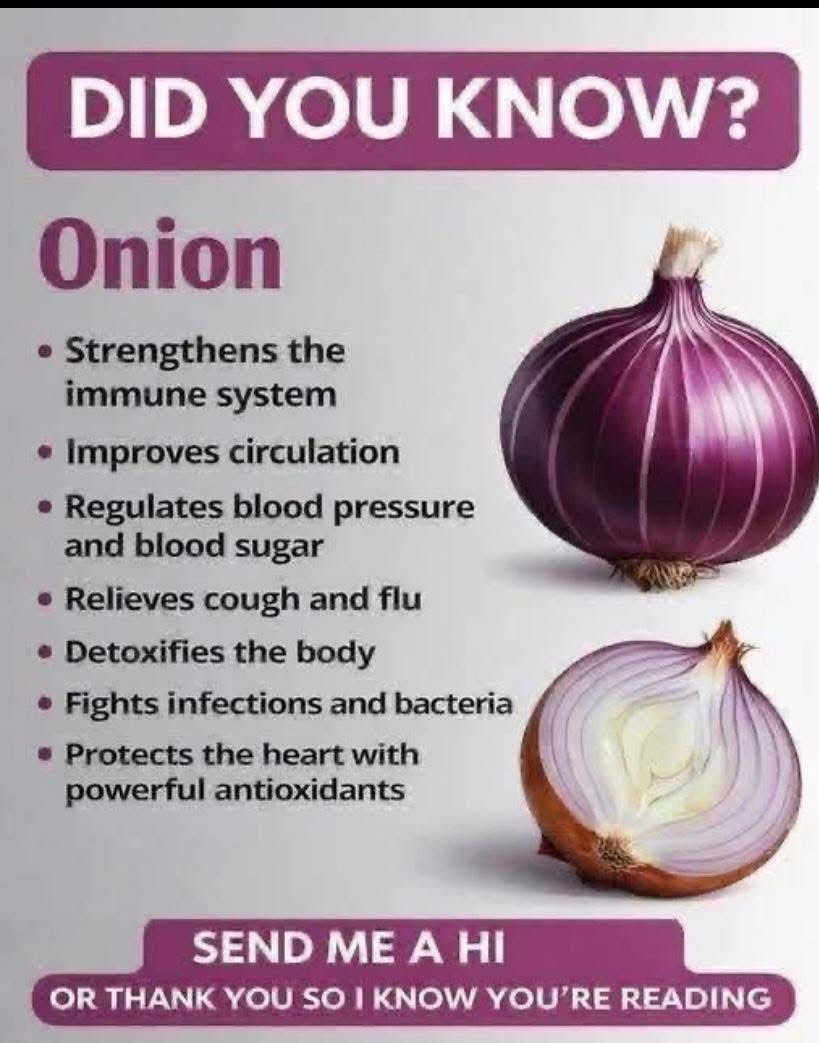
Social media posts sometimes claim that onions can “detoxify the body,” prevent infections, regulate blood pressure, or cure coughs and flu. These statements are often much stronger than the available evidence supports.
A more accurate way to look at onions is as a nutritious vegetable that can be part of a healthy eating pattern.
What Makes Onions Nutritious
Onions are relatively low in calories and provide small amounts of several vitamins and minerals.
They also contain plant compounds such as flavonoids and sulfur-containing compounds. The amount and type of these compounds can vary depending on the onion variety and how it is prepared.
Red, yellow, white, and other onion varieties can all be included in a varied diet.
Onions and Antioxidants
Onions contain naturally occurring antioxidant compounds.
Antioxidants are substances that help protect cells from oxidative damage as part of the body’s normal biological processes.
One important group of compounds found in onions is flavonoids. Red and purple onions are particularly known for containing anthocyanins, the natural pigments responsible for their darker color.
Eating onions alongside other colorful vegetables and fruits is a simple way to increase dietary variety.
Onions and Heart Health
A balanced diet rich in vegetables can support overall cardiovascular health.
Onions contain flavonoids and other plant compounds that have been studied for their potential relationship with cardiovascular health.
However, eating onions should not be described as a treatment for high blood pressure, high cholesterol, or heart disease.
People managing these conditions should follow their healthcare professional’s recommendations and prescribed treatment.
Onions and Blood Pressure
Some research has investigated compounds found in onions and their possible relationship with blood pressure.
However, this does not mean that eating onions can reliably “regulate” blood pressure.
Blood pressure is influenced by many factors, including genetics, body weight, physical activity, dietary habits, stress, medications, and other health conditions.
If you have high blood pressure, regular monitoring and appropriate medical care are much more important than relying on a particular food.
Onions and Blood Sugar
Onions contain carbohydrates and naturally occurring plant compounds.
Some studies have examined onions and onion extracts in relation to blood glucose, but this should not be interpreted as proof that onions can treat diabetes or replace diabetes medication.
For people with diabetes, onions can generally be incorporated into balanced meals while considering the overall carbohydrate content of the meal.
Onions and the Immune System
The immune system is complex and depends on many nutrients and lifestyle factors.
Onions provide vitamin C in modest amounts along with various plant compounds.
Eating a varied diet that includes vegetables, fruits, legumes, whole grains, protein sources, and other nutrient-rich foods helps provide the nutrients needed for normal immune function.
However, onions should not be described as a food that can “boost” or strengthen immunity in a way that prevents illness.
Can Onions Prevent Colds and Flu
Onions are sometimes promoted as a traditional remedy for colds, flu, and coughs.
Although onions are nutritious and may be included in meals when someone is unwell, there is not enough evidence to claim that eating onions can prevent or cure influenza or other respiratory infections.
Common respiratory infections can have different causes and may require appropriate medical care.
Onions and Cough Relief
Some traditional home remedies use onion preparations for coughs.
A warm meal or drink may feel soothing when someone has a sore throat, but this does not establish that onions treat the underlying cause of a cough.
A cough can result from infections, allergies, asthma, reflux, environmental irritation, and other conditions.
A persistent or severe cough should be evaluated by a healthcare professional.
Do Onions Detoxify the Body
The word “detox” is frequently used in online health content, but it can be misleading.
Your body already has organs, including the liver and kidneys, that continuously process and eliminate waste products.
There is no need to use onions, onion water, or a special onion drink to “clean” the body.
Eating onions as part of a balanced diet can contribute useful nutrients and plant compounds, but it should not be promoted as a detox treatment.
Onions and Digestion
Onions contain dietary fiber and naturally occurring compounds that can interact with the digestive system.
They also contain certain fermentable carbohydrates that may cause digestive discomfort in some people.
Individuals with sensitive digestion may experience:
- Gas
- Bloating
- Abdominal discomfort
- Changes in bowel habits
The response varies from person to person.
If onions regularly cause digestive symptoms, reducing the amount or changing how they are prepared may help.
Raw Onions Versus Cooked Onions
Both raw and cooked onions can be part of a healthy diet.
Raw onions have a stronger flavor and retain some heat-sensitive compounds that may be reduced during cooking.
Cooking, on the other hand, softens the texture and flavor and makes onions easier to incorporate into many meals.
There is no need to eat onions raw to obtain their nutritional value.
How to Include More Onions in Your Diet
Adding onions to everyday meals is simple.
Try adding chopped onions to:
- Vegetable salads
- Soups
- Bean dishes
- Omelets
- Rice dishes
- Stews
- Homemade sauces
- Roasted vegetables
- Sandwiches
- Grain bowls
Using onions together with a variety of other vegetables can make meals more flavorful without relying on excessive amounts of salt or highly processed sauces.
Red Onions and Their Natural Color
Red onions contain anthocyanins, natural pigments that give them their red-purple appearance.
Anthocyanins are also found in foods such as berries, purple cabbage, and some varieties of grapes.
Including colorful plant foods in your meals is a practical way to increase dietary diversity.
Choosing and Storing Onions
When purchasing onions, look for firm bulbs without obvious soft spots, excessive moisture, mold, or significant damage.
Store whole onions in a cool, dry, well-ventilated location.
Once an onion has been cut, place it in a suitable covered container and refrigerate it.
Keeping food properly stored can help maintain quality and reduce the risk of spoilage.
Can You Drink Onion Water
Onion water has become popular in some online wellness posts.
It is sometimes promoted as a natural drink for detoxification, weight loss, blood sugar control, or immunity.
There is no good reason to consider onion water a miracle health drink.
If you enjoy the flavor, onions can simply be included in normal meals. Drinking onion water does not provide a guaranteed shortcut to better health.
Can Onions Help With Weight Loss
Onions can be useful in a balanced diet because they add flavor while contributing relatively few calories.
However, onions do not specifically burn belly fat or cause rapid weight loss.
Healthy weight management generally involves overall dietary patterns, physical activity, sleep, and other individual factors.
Adding onions to an otherwise unhealthy diet will not automatically produce weight loss.
Possible Side Effects
Most people can eat onions as part of a normal diet.
However, some individuals may experience digestive symptoms after eating them.
People who are sensitive to certain fermentable carbohydrates may be particularly likely to experience bloating or gas.
An allergy to onions is possible but uncommon.
If you repeatedly experience significant symptoms after eating onions, consider discussing them with a qualified healthcare professional.
Who Should Be Careful With Onion Remedies
Extra caution is appropriate with concentrated onion preparations, supplements, or homemade remedies promoted for medical purposes.
A food ingredient should not automatically be considered a treatment simply because it is natural.
People taking medications or managing a medical condition should avoid replacing prescribed treatment with food-based remedies without professional advice.
A Simple Healthy Onion Recipe
One easy way to enjoy onions is a simple vegetable salad.
Ingredients
- One small onion
- Two tomatoes
- One cucumber
- A handful of fresh herbs
- A small amount of olive oil
- Lemon juice
- A moderate amount of salt, if desired
Preparation
Wash the vegetables thoroughly.
Slice the onion, tomatoes, and cucumber.
Place everything in a bowl and add the fresh herbs.
Add a small amount of olive oil and lemon juice.
Mix gently and serve immediately.
This simple meal combines onions with other vegetables and can be served alongside a balanced lunch or dinner.
Frequently Asked Questions
Does Eating Onions Strengthen the Immune System?
Onions contain nutrients and plant compounds that can contribute to a healthy diet. However, there is no reason to claim that onions alone can dramatically strengthen immunity or prevent infections.
Can Onions Lower Blood Pressure?
Research has examined compounds found in onions in relation to cardiovascular health, but onions should not be considered a treatment for high blood pressure.
Can Onions Cure the Flu?
No. Onions are nutritious food, but they should not be promoted as a cure for influenza.
Do Onions Detox the Body?
The body naturally processes and eliminates waste through organs such as the liver and kidneys. Eating onions does not provide a special detoxification treatment.
Are Red Onions Healthier Than White Onions?
Different onion varieties contain different amounts of nutrients and plant compounds. Red onions are particularly notable for their anthocyanin content, but all common onion varieties can contribute to a healthy diet.
Can Onions Help With Weight Loss?
Onions can be part of a balanced, lower-calorie meal pattern, but they do not specifically burn fat or guarantee weight loss.
Is It Better to Eat Onions Raw?
Not necessarily. Raw and cooked onions can both be enjoyed. Cooking changes their flavor, texture, and some of their compounds, but you do not need to eat them raw to have a healthy diet.
Final Thoughts
Onions are an affordable, versatile, and nutritious vegetable that can easily be included in everyday meals.
They provide dietary fiber and various plant compounds, including flavonoids and other antioxidants. These characteristics make onions a useful part of a varied and balanced eating pattern.
At the same time, viral claims that onions can detoxify the body, cure infections, regulate blood pressure, or produce dramatic health changes should be treated cautiously.
The best approach is to enjoy onions as one component of an overall healthy diet rather than relying on them as a medical remedy.