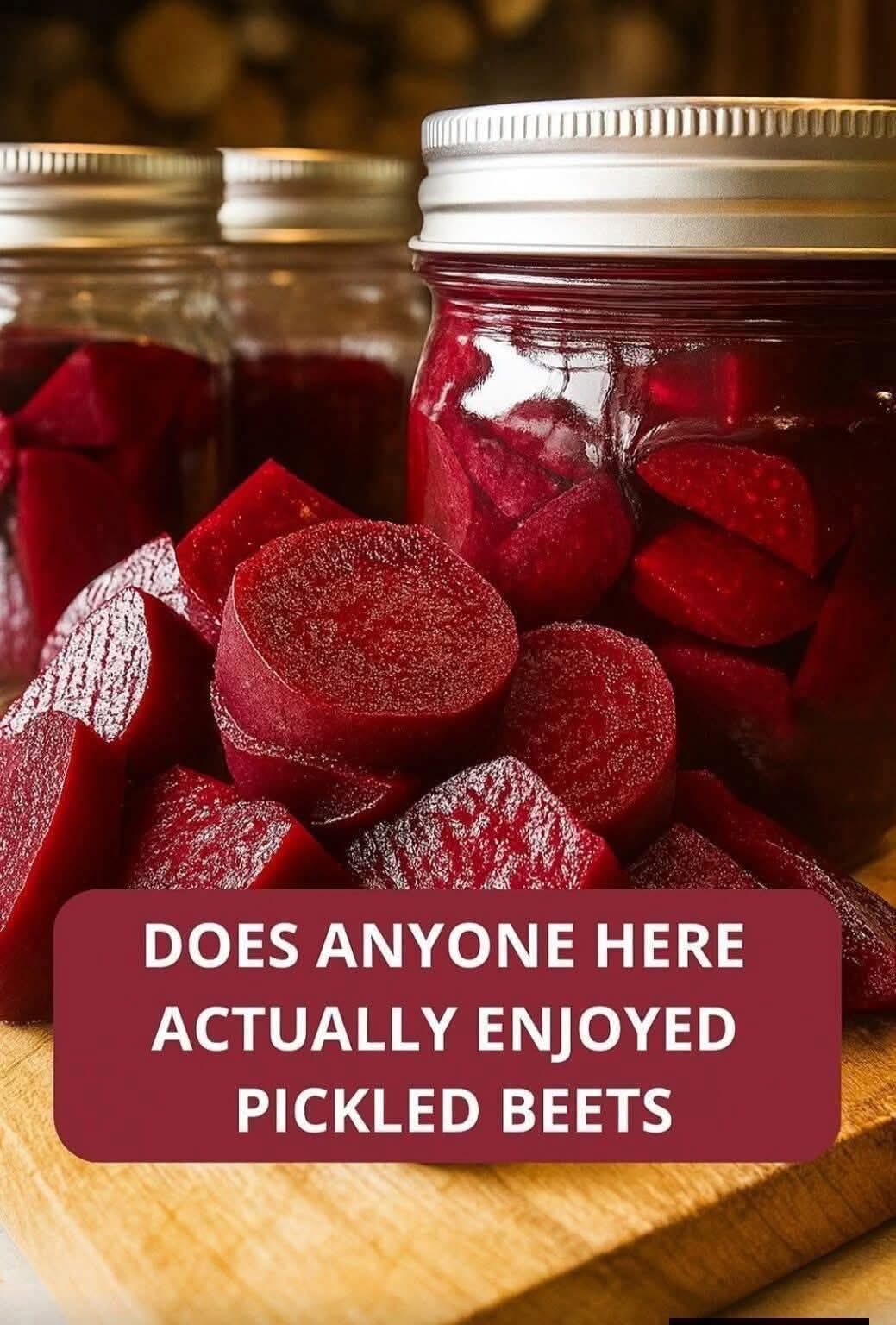
Pickled beets are a simple way to enjoy the earthy sweetness of fresh beets with a bright, tangy flavor. Their deep color makes them an attractive addition to salads, sandwiches, grain bowls, and everyday meals.
Unlike some vegetables, beets have a naturally sweet and earthy taste that works particularly well with vinegar, herbs, and mild spices. Pickling adds acidity and a pleasant contrast to their natural sweetness.
This recipe focuses on refrigerator pickled beets, which means the finished beets are stored in the refrigerator rather than being treated as shelf stable canned food. This distinction is important because homemade pickles should not automatically be assumed to be safe for room temperature storage.
What Are Pickled Beets
Pickled beets are cooked beets that are covered with a vinegar based brine. The brine typically contains vinegar, water, salt, and sometimes a small amount of sugar and spices.
The beets absorb the flavors of the brine while developing a tangy taste. They can be eaten after they have had enough time to chill and absorb the flavors.
Pickled beets can be made with red beets, golden beets, or a combination of varieties. Red beets create the familiar deep purple red appearance, while golden beets produce a lighter color and slightly different presentation.
Ingredients
For a simple refrigerator pickled beet recipe, you can use:
- 4 medium fresh beets
- 1 cup vinegar with known acidity
- 1 cup water
- 1 tablespoon salt
- 1 to 2 tablespoons sugar, according to taste
- 1 small garlic clove, optional
- 1 teaspoon black peppercorns, optional
- 1 teaspoon mustard seeds, optional
- 1 small bay leaf, optional
You can adjust the spices according to your preferences. The goal is to create a flavorful brine without making the recipe unnecessarily complicated.
How to Prepare the Beets
Begin by washing the beets thoroughly under running water. Remove any visible dirt from the surface.
Trim the tops and roots if necessary, but avoid peeling them before cooking if you want to reduce staining during preparation.
Place the beets in a pot and cover them with water. Bring the water to a boil and cook until the beets become tender when pierced with a fork.
The exact cooking time depends on the size of the beets. Smaller beets generally cook faster than larger ones.
Once they are tender, allow them to cool enough to handle safely. The skins can then be rubbed or peeled away.
Cut the beets into slices, wedges, or bite sized pieces.
Preparing the Pickling Brine
To prepare the brine, combine the vinegar, water, salt, and sugar in a saucepan.
Add any optional spices you want to use.
Warm the mixture until the salt and sugar have dissolved. There is no need to make the process complicated.
Place the prepared beets into a clean container suitable for food storage. Pour the warm brine over the beets, making sure they are well covered.
Allow the mixture to cool before covering the container and placing it in the refrigerator.
How Long Should Pickled Beets Rest
Pickled beets can be eaten once they have cooled, but allowing them to rest in the refrigerator gives the flavors more time to develop.
Many people prefer the flavor after the beets have had some time to absorb the vinegar and spices.
The longer they rest, the more noticeable the pickled flavor may become. You can taste a small amount after chilling and decide whether you prefer a stronger or milder flavor.
How to Store Pickled Beets
These are refrigerator pickles, so they should remain refrigerated.
Use a clean food safe container with a secure lid. Keep the beets covered with the brine and return the container to the refrigerator after serving.
Do not leave homemade pickled beets sitting at room temperature for extended periods.
It is also important not to assume that a vinegar based recipe is automatically safe for long term room temperature storage. Shelf stable canning requires tested recipes, appropriate acidity, correct processing methods, and suitable equipment.
For a simple homemade recipe, refrigerator storage is the safer approach.
Choosing the Right Vinegar
Vinegar is one of the most important ingredients in a pickling recipe because it provides the characteristic acidic flavor.
White vinegar creates a clean and sharp taste. Apple cider vinegar can provide a slightly sweeter and more rounded flavor.
Whatever vinegar you choose, use a commercially produced vinegar with clearly stated acidity and follow a tested recipe when preparing shelf stable canned products.
For this refrigerator version, the vinegar helps create the familiar tangy flavor without turning the recipe into a complicated preservation project.
Why People Enjoy Pickled Beets
Pickled beets are popular because they combine several flavors in one food.
The natural sweetness of the beet contrasts with the acidity of vinegar. Salt enhances the flavor, while spices can add warmth and complexity.
They are also convenient. Once prepared and refrigerated, they can be added to meals whenever you want something tangy.
You can serve them alongside roasted vegetables, eggs, sandwiches, salads, grilled foods, or grain based meals.
Ways to Serve Pickled Beets
There are many simple ways to enjoy pickled beets.
Add Them to Salads
Sliced pickled beets can add color, acidity, and texture to a green salad.
Try combining them with leafy greens, cucumber, carrots, beans, nuts, or a simple homemade dressing.
Serve Them With Eggs
Pickled beets can make a flavorful side dish for boiled or scrambled eggs.
Their tangy taste can provide contrast to the mild flavor of eggs.
Add Them to Sandwiches
A few slices of pickled beet can add a sweet and acidic element to sandwiches and wraps.
They work especially well with ingredients that have mild or savory flavors.
Use Them in Grain Bowls
Add pickled beets to a bowl containing grains, vegetables, beans, or another protein source.
The acidity of the beets can help bring different ingredients together.
Serve Them as a Side Dish
You can simply place a small portion of pickled beets alongside your main meal.
They do not need complicated preparation to make a meal more interesting.
Are Pickled Beets Healthy
Beets are a nutritious vegetable and can be part of a varied diet. They provide nutrients and naturally occurring plant compounds.
However, pickled beets should not be described as a treatment for a disease or as a miracle food.
The nutritional value of the complete meal matters more than any single ingredient.
Another consideration is sodium. Salt is commonly used in pickling, so people who need to limit sodium may want to pay attention to the amount they consume.
The amount of sugar can also vary between recipes. Using a modest amount can provide a balanced sweet and sour flavor without making the recipe excessively sweet.
Pickled Beets and a Balanced Diet
A balanced diet includes a variety of vegetables, fruits, whole grains, protein sources, and other nutrient rich foods.
Pickled vegetables can be one small part of that pattern.
You do not need to eat large quantities of pickled beets to enjoy them. A small serving can add flavor to an otherwise simple meal.
The key is variety. Fresh, cooked, frozen, and appropriately prepared preserved vegetables can all have a place in a varied eating pattern.
Common Mistakes When Making Pickled Beets
One common mistake is using beets that have not been cleaned properly. Always wash fresh produce before preparation.
Another mistake is using a container that is not appropriate for food storage. Choose a clean food safe container with a suitable lid.
Some people also leave homemade pickles at room temperature because they believe the vinegar makes them completely shelf stable. This is not a safe assumption.
If you want to make shelf stable canned pickled beets, use a scientifically tested canning recipe and follow the processing instructions carefully.
How to Make the Flavor More Interesting
You can experiment with different spices while keeping the basic recipe simple.
Black peppercorns can add a mild spicy note. Mustard seeds can provide a slightly sharper flavor. Bay leaf can add an aromatic character.
You can also experiment with herbs, provided they are suitable for the recipe and food storage method.
The easiest way to personalize the flavor is to prepare a small batch and adjust the ingredients in your next batch.
Frequently Asked Questions
Do pickled beets need to be refrigerated
Yes. This recipe is specifically designed as a refrigerator pickle. Keep the finished product refrigerated rather than treating it as a shelf stable canned food.
Can I use golden beets
Yes. Golden beets can be prepared using the same general approach. They have a different color and can provide a slightly different appearance on the plate.
Can I reduce the sugar
Yes. Sugar is mainly used to balance the acidity and flavor. You can adjust the amount according to your taste.
Can I add onions
Yes. Thinly sliced onions can be added to many refrigerator pickle recipes and can absorb the flavorful brine.
Can I eat pickled beets every day
Pickled beets can be included in a varied diet, but portion size and the rest of your diet matter. Because pickled foods can contain added salt, people who need to restrict sodium should take that into account.
Are pickled beets a treatment for health problems
No. Pickled beets are a food, not a medical treatment. They should not be promoted as a cure for high blood pressure, cholesterol problems, inflammation, or other medical conditions.
Can I store them in the pantry
Do not use this refrigerator recipe for pantry storage. Shelf stable preservation requires a properly tested canning method.
Final Thoughts
Pickled beets are an easy and flavorful way to enjoy beets in a different form. Their combination of natural sweetness and tangy vinegar makes them useful for salads, sandwiches, grain bowls, side dishes, and many other meals.
The recipe is simple: cook the beets, prepare a vinegar based brine, combine the ingredients, and refrigerate them in a clean food safe container.
While beets can contribute useful nutrients to a balanced diet, it is important to avoid exaggerated claims about any single food. Pickled beets should be enjoyed for their flavor and as part of a varied eating pattern rather than presented as a cure or quick health solution.
For the safest homemade approach, treat this recipe as a refrigerator pickle and keep it refrigerated. If your goal is long term shelf storage, use a tested canning recipe specifically designed for pickled beets instead of adapting a refrigerator recipe.