Oregano is one of the most popular herbs used in cooking around the world. It has a strong aroma, a distinctive flavor, and a long history of use in traditional food and herbal practices. Today, oregano is also widely discussed for its natural compounds and possible health benefits.
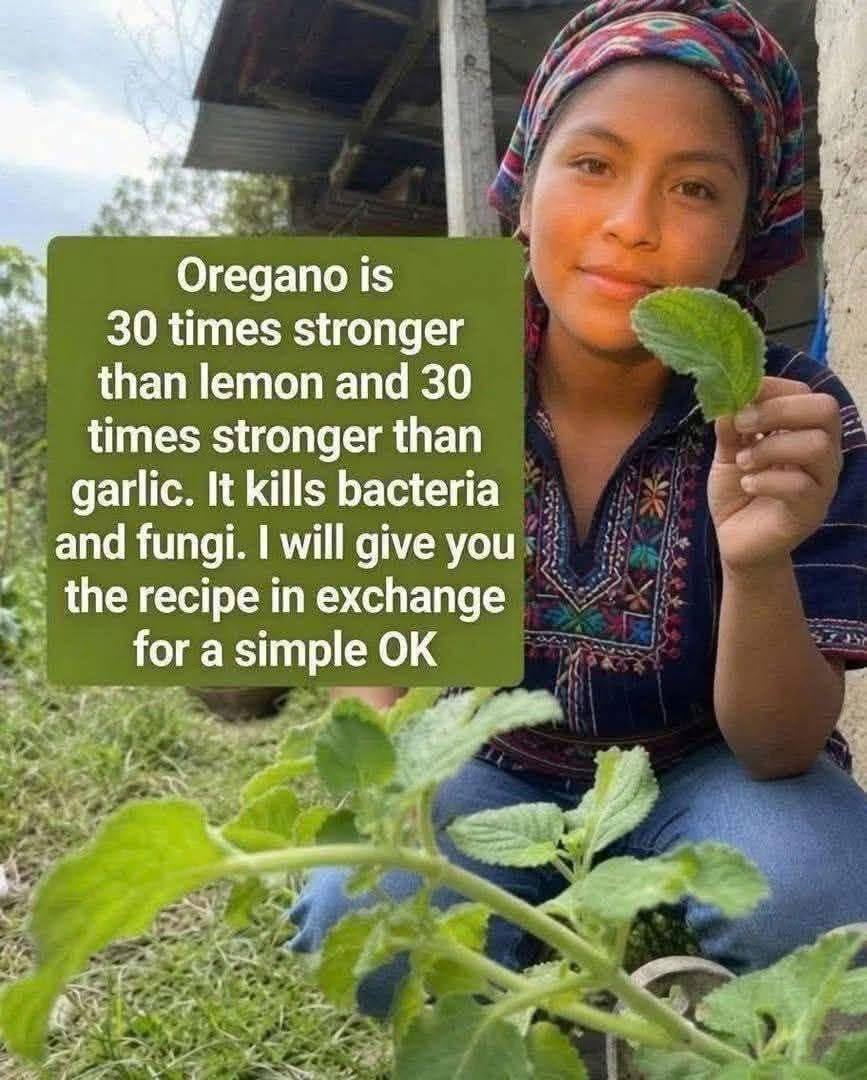
You may have seen social media posts claiming that oregano is many times stronger than lemon or garlic and that it can kill bacteria and fungi. These statements are often presented without enough scientific context. Oregano does contain compounds that have demonstrated antibacterial and antifungal activity in laboratory studies, but this does not mean that eating oregano can treat infections or replace medical treatment.
This article explains what oregano is, what makes it interesting, how people commonly use it, and what current evidence suggests about its potential benefits.
What Is Oregano
Oregano is an aromatic herb belonging to the mint family. The plant is commonly associated with Mediterranean cuisine, where dried or fresh leaves are used to flavor vegetables, meat, sauces, soups, salads, and many other dishes.
The most common culinary oregano is associated with the plant Origanum vulgare. Several other plants are also called oregano, and their chemical composition can vary depending on the species, growing conditions, harvesting method, and processing.
Oregano contains a variety of naturally occurring compounds. Some of the most well known include carvacrol and thymol. These compounds contribute to oregano’s characteristic smell and flavor and have attracted scientific interest because of their biological activity.
Fresh oregano also contains plant nutrients and antioxidant compounds. However, the nutritional contribution depends on how much oregano is consumed. Herbs are generally used in relatively small quantities, so they should be considered part of a balanced diet rather than a replacement for nutrient rich foods.
Oregano Contains Powerful Plant Compounds
One reason oregano receives so much attention is its essential oil. Oregano essential oil is concentrated and contains compounds such as carvacrol and thymol.
Laboratory research has found that some of these compounds can affect microorganisms under experimental conditions. This is one reason oregano is frequently described as having antimicrobial properties.
However, laboratory findings should not automatically be interpreted as proof that oregano can cure infections in people.
The amount of a compound that affects bacteria in a laboratory experiment can be very different from the amount that reaches a particular part of the human body after eating an herb. Digestion, absorption, metabolism, and many other factors can change how these substances behave inside the body.
For this reason, it is better to describe oregano as a herb containing interesting bioactive compounds rather than as a natural cure for infections.
Possible Antioxidant Benefits
Oregano contains several compounds with antioxidant activity. Antioxidants are substances that can help protect cells from oxidative damage caused by reactive molecules.
Oxidative processes naturally occur in the body. The body has its own antioxidant systems, while many foods also provide antioxidant compounds.
Herbs and spices can contribute to dietary antioxidant intake. Oregano is particularly interesting because it contains various phenolic compounds, including compounds associated with antioxidant activity.
Adding herbs such as oregano to meals can therefore be a simple way to increase the variety of plant compounds in the diet.
It is important, however, not to think of antioxidant foods as medicines. Eating a varied diet containing vegetables, fruits, legumes, whole grains, nuts, seeds, and herbs is generally more meaningful than focusing on one particular food or compound.
Oregano and Bacteria
One of the most frequently repeated claims about oregano is that it kills bacteria.
There is some scientific basis behind the interest, but the claim needs to be understood correctly.
Compounds found in oregano, particularly compounds present in oregano essential oil, have demonstrated antibacterial effects in laboratory experiments. Researchers have investigated their effects against different types of microorganisms.
These results are interesting because they suggest that oregano compounds may interfere with certain microbial processes.
But laboratory activity does not prove that consuming oregano will eliminate a bacterial infection in a human being.
If someone has symptoms of a bacterial infection, they should not attempt to replace professional medical care with oregano, oregano oil, garlic, lemon, or another home remedy.
Oregano can be enjoyed as part of normal cooking, but it should not be considered an antibiotic.
Oregano and Fungi
Oregano has also attracted attention because some of its compounds demonstrate antifungal activity in laboratory research.
Carvacrol and thymol are among the compounds researchers have investigated for their effects against certain fungi and other microorganisms.
This has led to interest in possible applications of oregano compounds in food preservation, microbiology, and other areas.
Again, it is important to distinguish laboratory research from medical treatment.
A laboratory study may show that a concentrated oregano compound affects a particular fungus. That does not mean that drinking oregano tea or eating dried oregano will cure a fungal infection.
Fungal infections can require specific treatments, depending on where the infection occurs and what organism is responsible.
Oregano May Add Flavor Without Much Sodium
One practical benefit of oregano has nothing to do with supplements or traditional remedies.
Oregano is an excellent way to add flavor to food.
People who want to reduce their use of salt can experiment with herbs and spices to make meals more flavorful. Oregano works particularly well with tomatoes, vegetables, beans, poultry, fish, potatoes, eggs, soups, and sauces.
Using herbs can make healthy meals more enjoyable and may help people develop a more varied cooking style.
Fresh oregano has a brighter flavor, while dried oregano tends to have a stronger and more concentrated aroma.
Fresh Oregano and Dried Oregano
Both fresh and dried oregano can be useful in cooking.
Fresh oregano contains more water and has a softer texture. Its flavor can be more delicate and fresh.
Dried oregano has had much of its water removed, making its flavor more concentrated. It is convenient to store and can be used throughout the year.
The nutritional and chemical composition of oregano can change during drying and storage. Different commercial products can also vary significantly in composition.
For everyday cooking, the choice between fresh and dried oregano is mostly a matter of taste, availability, and the recipe being prepared.
How to Use Oregano in Everyday Meals
Oregano is easy to incorporate into a normal diet.
You can sprinkle dried oregano over roasted vegetables or potatoes. It can also be added to tomato sauce, homemade pizza, grilled chicken, fish, beans, soups, and salads.
Fresh oregano can be chopped and added near the end of cooking when you want to preserve more of its fresh aroma.
Another simple option is to combine oregano with olive oil, garlic, lemon juice, and other herbs to create a flavorful dressing or marinade.
Using oregano this way allows you to benefit from its flavor without treating it as a medicine.
Oregano Tea
Oregano leaves are sometimes used to prepare herbal tea. People traditionally drink herbal preparations for different reasons, but scientific evidence for specific medical effects can vary.
A mild oregano tea can be part of a normal beverage routine for many people. However, it should not be considered a proven treatment for infections, serious illness, or chronic medical conditions.
If symptoms persist or become severe, professional medical advice is more appropriate than relying on herbal drinks.
Oregano Oil Is Different From Culinary Oregano
One important distinction is the difference between oregano used as a food seasoning and oregano essential oil.
Oregano essential oil is highly concentrated. A small amount of essential oil can contain much more of certain plant compounds than an equivalent amount of dried oregano used in cooking.
Because of this concentration, oregano essential oil should not be treated like an ordinary kitchen spice.
Using essential oils internally without appropriate guidance can cause unwanted effects. Some people may experience irritation or other reactions, and concentrated products can interact with medications or be unsuitable for certain individuals.
Anyone considering oregano oil as a supplement should discuss it with a qualified healthcare professional, particularly if they take medication or have an existing medical condition.
Can Oregano Replace Antibiotics
No.
This is one of the most important points when discussing oregano and its antimicrobial properties.
Scientific research showing antibacterial activity in oregano compounds does not mean oregano can replace antibiotics prescribed for bacterial infections.
Antibiotics are medications developed and tested for specific medical purposes. They are used when a healthcare professional determines that they are appropriate.
Stopping prescribed treatment or replacing it with herbal remedies can allow an infection to become more serious.
Oregano is best viewed as a flavorful culinary herb that contains interesting plant compounds rather than as a substitute for medical treatment.
Why Social Media Claims Can Be Misleading
Health posts on social media often use simple comparisons to attract attention.
A statement such as oregano being many times stronger than another food may sound impressive, but it raises an important question. Stronger in what way?
Different foods contain different compounds, and researchers can measure different properties under different experimental conditions. Comparing an herb with lemon or garlic using a single number can therefore be misleading unless the exact scientific measurement and conditions are explained.
The statement that oregano is thirty times stronger than lemon or garlic should not be interpreted as a general scientific fact about health.
Oregano, garlic, and lemon all contain different substances and can be useful parts of a varied diet. There is no simple ranking that makes one universally better than the others.
A Balanced Way to Look at Oregano
Oregano is a valuable culinary herb with an interesting chemical composition. Research into compounds such as carvacrol and thymol has produced promising laboratory findings, particularly regarding antioxidant and antimicrobial activity.
At the same time, laboratory research is not the same as clinical evidence.
The best approach is to enjoy oregano as part of a balanced diet while avoiding exaggerated claims about its ability to cure diseases.
A healthy lifestyle depends on many factors, including a varied diet, adequate physical activity, sufficient sleep, good hygiene, and appropriate medical care when necessary.
No single herb can provide all of these benefits.
Final Thoughts
Oregano is much more than a seasoning for pizza and pasta. It contains a variety of naturally occurring plant compounds that continue to interest researchers. Its antioxidant and antimicrobial properties have been studied in laboratory settings, and compounds such as carvacrol and thymol are particularly well known.
However, popular claims that oregano is a powerful natural medicine capable of killing infections in the human body often go beyond what the available evidence can demonstrate.
For everyday use, adding oregano to meals is a simple and enjoyable way to increase the variety of herbs and plant compounds in your diet. Fresh or dried oregano can provide plenty of flavor while fitting easily into many healthy recipes.
If you have an infection or another medical problem, use evidence based medical care rather than relying on oregano or other home remedies as a replacement for treatment.
Important note: This article is for general educational purposes and is not medical advice. If you have symptoms of an infection or are considering concentrated oregano products such as essential oil or supplements, consult a qualified healthcare professional.