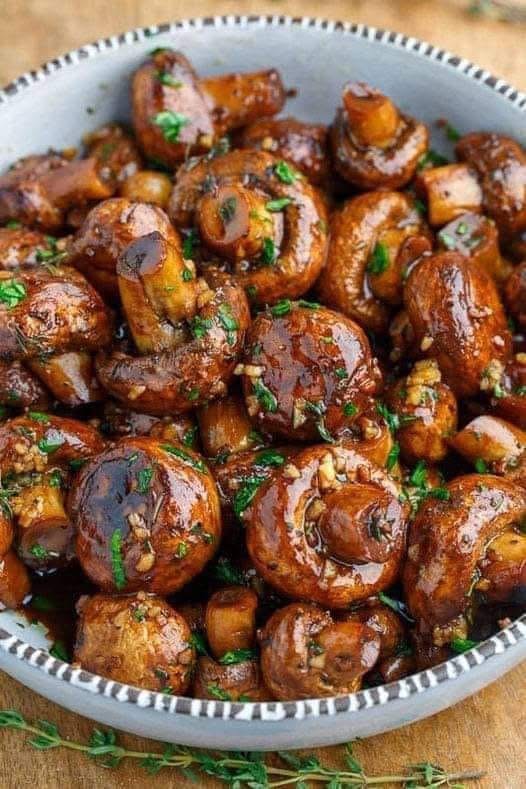
Garlic butter mushrooms are a simple and flavorful dish made with mushrooms, garlic, butter, herbs, and seasonings. The combination is popular because it is quick to prepare, versatile, and packed with savory flavor.
Beyond their taste, mushrooms can also provide useful nutrients as part of a balanced diet. They are naturally low in calories and can contribute protein, fiber, vitamins, minerals, and other beneficial compounds depending on the type of mushroom used.
However, online food posts sometimes describe mushrooms as a powerful remedy for specific diseases or suggest that eating them can produce dramatic health effects. While mushrooms are nutritious foods, they should not be presented as a cure or replacement for medical treatment.
This article explains the nutritional value of mushrooms, the potential benefits of including them in your diet, and what to consider when preparing garlic butter mushrooms at home.
What Are Garlic Butter Mushrooms
Garlic butter mushrooms are typically prepared by cooking fresh mushrooms in butter with garlic and herbs.
Common ingredients include:
- Fresh mushrooms
- Butter
- Fresh garlic
- Parsley
- Black pepper
- Salt
- Olive oil
- Lemon juice
The exact recipe can vary. Some versions use button mushrooms, cremini mushrooms, or other edible varieties.
Mushrooms absorb flavors very well, which makes garlic, herbs, butter, and other seasonings particularly effective for creating a rich dish.
Mushrooms Are Nutrient Dense Foods
Mushrooms are interesting from a nutritional perspective because they provide several nutrients while generally being relatively low in calories.
Depending on the variety and preparation method, mushrooms can provide:
- Protein
- Dietary fiber
- B vitamins
- Potassium
- Selenium
- Copper
- Other minerals and bioactive compounds
The nutritional composition differs between mushroom species, so not every type provides exactly the same nutrients.
Adding mushrooms to meals can therefore be one way to increase variety in the diet.
Mushrooms and Protein
Mushrooms contain protein, although they are not usually considered a major protein source compared with foods such as eggs, fish, meat, dairy products, beans, and lentils.
Their protein content can still contribute to overall dietary intake, particularly when mushrooms are combined with other nutritious ingredients.
For people looking for more protein, mushrooms can complement rather than replace traditional protein-rich foods.
Mushrooms and Dietary Fiber
Mushrooms contain dietary fiber and other complex carbohydrates.
Fiber is important for digestive health and can contribute to feelings of fullness.
A diet containing adequate fiber generally includes a variety of foods such as vegetables, fruits, whole grains, legumes, nuts, seeds, and mushrooms.
The amount of fiber in a mushroom dish will depend on the mushroom variety and serving size.
Mushrooms Provide B Vitamins
Many edible mushrooms contain several B vitamins.
B vitamins participate in important processes in the body, including energy metabolism and normal cell function.
Different mushroom varieties contain different amounts of individual vitamins, so it is better to view mushrooms as one useful food within a varied diet rather than as a single source of a particular vitamin.
Mushrooms and Minerals
Mushrooms can provide minerals such as selenium, copper, potassium, and phosphorus.
These nutrients have important roles in normal physiological processes.
For example, potassium is involved in normal muscle and nerve function, while selenium contributes to normal antioxidant defense systems.
The amount of each mineral depends on the type of mushroom and how it was grown.
Mushrooms and Antioxidant Compounds
Mushrooms contain various compounds that have antioxidant properties.
Antioxidants are substances that can help protect cells from oxidative processes.
Research into mushroom compounds is ongoing, and scientists are studying their potential biological effects.
However, antioxidant activity in laboratory experiments should not automatically be interpreted as proof that eating mushrooms prevents or treats a specific disease.
A balanced diet containing many different plant foods is a more useful way to obtain a broad range of beneficial compounds.
What About Garlic
Garlic is another important ingredient in this dish.
Garlic contains sulfur-containing compounds that have been extensively studied. Some research has investigated garlic in relation to cardiovascular health, blood pressure, cholesterol, and other areas.
However, the effects can depend on the amount consumed, preparation method, and individual health factors.
Adding garlic to mushrooms can make the dish more flavorful while also contributing additional plant compounds to the meal.
Why Butter Matters
Butter provides richness and flavor, but it also contains saturated fat and calories.
This does not mean butter must be avoided completely. It simply means that portion size and overall dietary pattern matter.
A large serving of mushrooms cooked in a substantial amount of butter can contain significantly more calories and saturated fat than mushrooms cooked with a small amount of oil.
For people watching their calorie or saturated-fat intake, using a moderate amount of butter can help maintain the flavor without making the dish unnecessarily heavy.
Garlic Butter Mushrooms and Weight Management
Mushrooms themselves can be a useful ingredient in meals for people trying to manage their weight because they can add volume, texture, and savory flavor without being extremely calorie dense.
However, the final calorie content depends heavily on preparation.
Butter, oil, creamy sauces, cheese, and other additions can substantially increase the calorie content of the dish.
There is no evidence that garlic butter mushrooms directly burn body fat.
Weight management is influenced by total energy intake, physical activity, sleep, genetics, and many other factors.
Mushrooms can fit into a balanced eating pattern, but they should not be considered a weight-loss treatment.
Are Mushrooms Good for Heart Health
Mushrooms can be part of a heart-conscious eating pattern because they provide nutrients and are generally low in calories.
However, the overall recipe matters.
A dish prepared with a large amount of butter and salt may have a different nutritional profile from mushrooms cooked with a smaller amount of butter or olive oil and moderate seasoning.
Heart health depends on many factors, including overall diet, physical activity, blood pressure, cholesterol, smoking status, sleep, and genetics.
No single mushroom recipe can guarantee protection from cardiovascular disease.
Mushrooms and Blood Sugar
Mushrooms are generally low in carbohydrates compared with many common starch-based foods.
This can make them a useful ingredient in meals for people who are monitoring carbohydrate intake.
However, the complete dish matters.
Adding sugary sauces, large amounts of refined carbohydrates, or other high-carbohydrate ingredients can change the nutritional profile.
People with diabetes should follow individualized dietary advice from their healthcare team rather than relying on claims about individual foods.
Are Mushrooms Good for Digestion
The fiber and other compounds found in mushrooms can contribute to a varied diet that supports normal digestive function.
However, some people may experience digestive discomfort after eating mushrooms.
Cooking mushrooms thoroughly may make them easier for some people to tolerate.
If a person consistently experiences bloating, abdominal pain, diarrhea, or other symptoms after eating mushrooms, they should discuss the issue with a healthcare professional.
How to Make Garlic Butter Mushrooms More Balanced
A simple recipe can be adjusted depending on your nutritional goals.
You can use:
- A moderate amount of butter
- Fresh garlic
- Fresh parsley
- Black pepper
- A small amount of salt
- A squeeze of lemon
- Fresh mushrooms
Using herbs, garlic, pepper, and lemon can add flavor without requiring large amounts of salt or butter.
Mushrooms can also be combined with vegetables, whole grains, beans, eggs, chicken, fish, or other foods to create a more complete meal.
A Simple Cooking Method
Start by cleaning the mushrooms and removing any damaged portions.
Heat a pan over medium heat and add a moderate amount of butter or olive oil.
Add chopped garlic and cook briefly without allowing it to burn.
Add the mushrooms and cook until they release their moisture and become tender and lightly browned.
Season with black pepper and a moderate amount of salt.
Finish with fresh parsley and, if desired, a small amount of lemon juice.
The cooking time depends on the size and type of mushroom.
Food Safety Matters
Only use mushrooms that are clearly identified as edible and suitable for cooking.
Wild mushrooms can be dangerous because some poisonous species closely resemble edible varieties.
Do not eat wild mushrooms unless they have been reliably identified by an appropriate expert.
Store fresh mushrooms properly and follow normal food-safety practices when preparing them.
Wash hands, utensils, and cooking surfaces appropriately, and avoid cross-contamination with raw foods.
Are All Mushrooms Safe to Eat
No.
There are many mushroom species, and some are poisonous.
Store-bought edible mushrooms are generally easier to identify and use safely than wild mushrooms.
Never assume that a mushroom is safe simply because it looks similar to a familiar edible variety.
If someone accidentally consumes an unknown wild mushroom and develops symptoms such as vomiting, abdominal pain, confusion, dizziness, or other unusual symptoms, urgent medical advice should be sought.
Common Myths About Mushrooms
Myth One: Mushrooms Cure Disease
Mushrooms are nutritious foods, but they should not be described as cures for cancer, diabetes, heart disease, or other medical conditions.
Myth Two: Garlic Butter Mushrooms Burn Fat
There is no evidence that this dish directly burns body fat.
Myth Three: More Butter Makes the Dish Healthier
Butter can improve flavor but also increases calories and saturated fat. More is not necessarily better.
Myth Four: All Mushrooms Are Safe
Only correctly identified edible mushrooms should be consumed.
Myth Five: Mushrooms Replace Protein Foods
Mushrooms contain protein but generally do not provide as much protein per serving as many traditional protein-rich foods.
How Mushrooms Fit Into a Healthy Diet
The healthiest approach is to think about the overall meal rather than one ingredient.
Garlic butter mushrooms can be served alongside:
- Grilled chicken
- Fish
- Eggs
- Beans
- Lentils
- Brown rice
- Whole-grain bread
- Roasted vegetables
- Fresh salads
This can create a meal with a wider range of nutrients.
Portion size also matters. A nutritious ingredient can still contribute significant calories when prepared with large amounts of butter, oil, cream, cheese, or other calorie-dense ingredients.
Final Thoughts
Garlic butter mushrooms are a flavorful and versatile dish that can fit into a balanced diet.
Mushrooms provide nutrients such as fiber, B vitamins, minerals, protein, and various plant compounds. Garlic also contributes flavorful sulfur-containing compounds, while herbs can add freshness without many calories.
At the same time, the health value of the final dish depends on how it is prepared. Large amounts of butter, oil, salt, or creamy ingredients can increase its calorie, saturated-fat, or sodium content.
Mushrooms should also not be promoted as a miracle food or medical treatment.
For most people, the best approach is to enjoy edible mushrooms as part of a varied diet containing vegetables, fruits, whole grains, legumes, healthy protein sources, and other nutritious foods.
Frequently Asked Questions
Are garlic butter mushrooms healthy?
They can be part of a balanced diet. Mushrooms provide several nutrients, while the amount of butter, oil, and salt determines much of the final nutritional profile.
Do mushrooms help with weight loss?
Mushrooms can be a relatively low-calorie ingredient, but they do not directly burn fat. Weight management depends on the overall balance of food intake and energy expenditure.
Are mushrooms a good source of protein?
Mushrooms contain protein, but they generally provide less protein per serving than foods such as eggs, meat, fish, dairy products, beans, and lentils.
Can I eat mushrooms every day?
For most people, edible mushrooms can be included regularly as part of a varied diet. Individual tolerance and dietary needs can vary.
Is garlic good for you?
Garlic contains several biologically active compounds and can be part of a healthy diet. However, garlic should not be considered a replacement for medical treatment.
Are wild mushrooms safe?
Not necessarily. Some wild mushrooms are poisonous and can cause serious illness. Only consume wild mushrooms when their identity and safety are reliably confirmed.
Is butter unhealthy?
Butter contains saturated fat and calories. It can be included in moderation depending on a person’s overall dietary pattern and health needs.
Health Disclaimer
This article is provided for general educational purposes only and does not replace professional medical or nutritional advice. It is not intended to diagnose, treat, or prevent any disease. People with specific medical conditions or dietary requirements should speak with a qualified healthcare professional or registered dietitian for individualized advice.