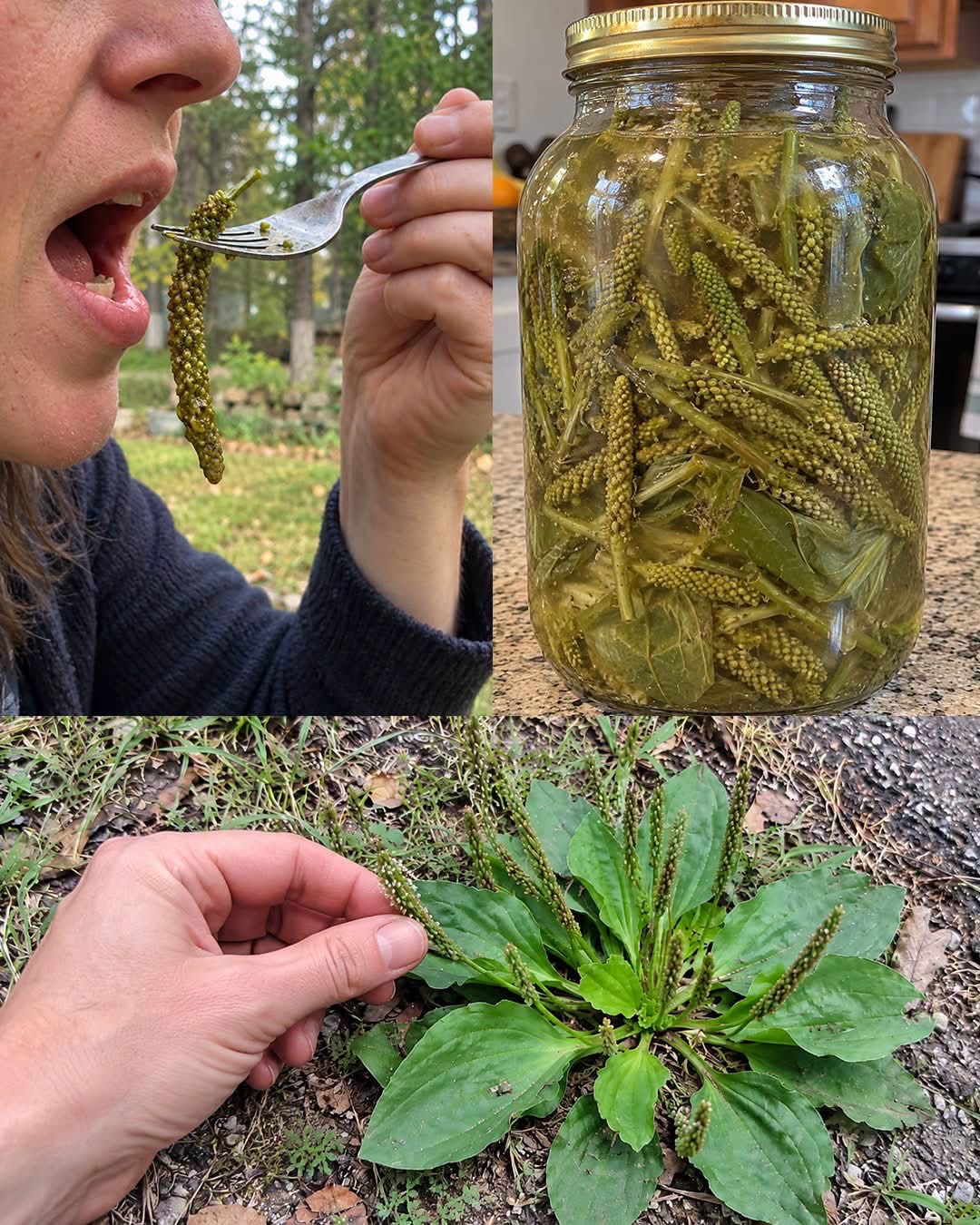
Common plantain is a low-growing wild plant found in gardens, lawns, fields, and other disturbed areas. It is known for its broad green leaves, prominent veins, and narrow flower spikes that rise from the center of the plant. Although many people consider it a weed, common plantain has a long history of traditional food and herbal use.
The plant is scientifically known as Plantago major. It should not be confused with the starchy plantain banana, which belongs to a completely different plant group.
Common plantain has attracted interest because its leaves contain fiber and various plant compounds. Young leaves and immature flower spikes have also been used as food in some cultures. However, traditional use does not automatically prove that a plant can treat a medical condition.
This article explores common plantain’s characteristics, nutritional value, traditional uses, potential benefits, food preparation, and safety precautions.
What Is Common Plantain
Common plantain, or Plantago major, is a perennial herb in the Plantaginaceae family. It is native to Eurasia and has spread widely across many parts of the world.
The plant usually grows close to the ground. Its leaves form a rosette, meaning they grow outward from a central point. The leaves are generally oval-shaped and have several prominent veins running from the base toward the edges.
Long, slender flower spikes emerge from the center of the plant. These spikes contain many small flowers that eventually produce seeds.
Common plantain is adaptable and can grow in compacted soil, lawns, gardens, and areas where other plants may struggle.
The plant shown in the image appears consistent with a plantain species, but a photograph alone cannot confirm the exact identification. Other related species can look similar.
Can Common Plantain Be Eaten
Some species of Plantago, including common plantain, have edible parts. Young, tender leaves are traditionally eaten in certain regions, while older leaves may become tough and fibrous.
Immature flower spikes have also been used as food. Some people cook them or prepare them in other ways.
However, never eat a wild plant based on a photograph alone. Correct identification is essential because unrelated plants can look similar, and plants collected from contaminated areas may carry harmful substances.
Wild plants should not be harvested from roadsides, areas treated with pesticides, industrial sites, or places exposed to animal waste.
Nutritional Value of Common Plantain
The nutritional composition of common plantain varies depending on the plant’s age, growing conditions, and the part consumed.
Fiber
Plantain leaves contain dietary fiber, which contributes to normal digestive function. A diet containing a variety of vegetables, fruits, legumes, and whole grains can help support regular bowel movements.
Vitamins
Published botanical and nutritional references report that plantain leaves can contain vitamin C and carotenoid compounds, which include precursors of vitamin A.
Vitamin C contributes to normal immune function, collagen formation, and iron absorption. Carotenoids contribute to the nutritional value of green leafy vegetables.
The actual amount of each nutrient varies, and common plantain should not be relied on as the sole source of any essential vitamin.
Plant Compounds
Researchers have identified several groups of compounds in Plantago major, including flavonoids, phenolic acids, and iridoid glycosides.
These compounds have been studied in laboratory experiments for their biological activity. However, laboratory results do not prove that eating the leaves or drinking an infusion treats disease in humans.
Potential Benefits of Common Plantain
Common plantain has several characteristics that make it interesting from a nutritional and botanical perspective. Its potential benefits should be understood carefully, especially when considering medicinal use.
1. It Can Add Variety to the Diet
When correctly identified and safely prepared, edible plantain leaves can add variety to meals.
Young leaves may be used as a cooked green vegetable in traditional recipes. Including different edible plants in a balanced diet can contribute to a wider range of nutrients.
However, common plantain is not necessary for a healthy diet. Familiar vegetables such as spinach, cabbage, and other leafy greens can also provide valuable nutrients.
2. It Contains Naturally Occurring Plant Compounds
Common plantain contains several plant compounds that have been investigated in laboratory studies.
Some extracts have shown antioxidant or anti-inflammatory activity under experimental conditions. These findings help scientists understand the plant’s chemistry, but they do not establish that consuming the plant prevents chronic disease.
Further research in humans is needed to determine whether particular preparations have meaningful clinical benefits.
3. It Provides Dietary Fiber
Fiber is an important part of a balanced diet. It supports digestive function and can help maintain normal bowel movements.
If an edible plant is correctly identified and prepared, its fiber may contribute to overall dietary intake.
However, the amount consumed and the plant’s maturity affect its texture and nutritional contribution.
4. It Has a History of Traditional Use for Skin Care
Common plantain leaves have been used traditionally in preparations intended for minor skin complaints and wounds.
Laboratory studies have investigated compounds in plantain extracts for possible effects on inflammation and wound-related processes. These findings are not enough to establish fresh leaves or homemade preparations as proven wound treatments.
Do not place unsterilized wild leaves on open wounds, burns, or infected skin. Doing so may introduce bacteria or other contaminants.
For a wound that is deep, heavily bleeding, increasingly painful, or showing signs of infection, seek appropriate medical care.
5. It Has Been Studied for Other Biological Effects
Researchers have investigated Plantago major extracts for various biological activities, including possible antimicrobial and anti-inflammatory effects.
Most findings are based on laboratory experiments, animal studies, or reviews of traditional use. They should not be interpreted as proof that the plant cures infections, diabetes, cancer, digestive disorders, or other diseases.
The effectiveness and safety of a particular preparation depend on its composition, concentration, route of use, and other factors.
Common Plantain Leaves and Traditional Remedies
In traditional herbal practices, plantain leaves have been prepared as infusions, extracts, or topical preparations.
These practices vary between cultures, and not all traditional uses have been adequately tested in clinical trials.
A major challenge is that homemade preparations are not standardized. The quantity of active compounds can vary substantially depending on the plant, growing conditions, storage, and preparation method.
For this reason, a traditional recipe should not be assumed to have the same safety or effectiveness as a regulated medicinal product.
People taking prescription medication or managing a chronic health condition should consult a qualified healthcare professional before using plantain medicinally.
How Common Plantain Has Been Used as Food
If a qualified person has positively identified the plant as an edible Plantago species, young leaves and immature flower spikes may be prepared according to established food practices.
Young Leaves
Young leaves are generally more tender than older ones. They may be cooked in a similar way to other leafy vegetables.
Wash edible leaves thoroughly under clean running water and discard damaged or spoiled material. Cooking can improve texture, although it does not remove every possible contaminant.
Immature Flower Spikes
The immature flower spikes of some edible plantain species have been used in traditional dishes.
Their texture can become tougher as the plant matures. Because similar-looking wild plants may differ, the species must be confirmed before consumption.
Avoid Unverified Fermentation Recipes
The photograph shows plant material stored in a jar of liquid. The image alone does not establish the ingredients, preparation method, acidity, or storage conditions.
Do not assume that a homemade jar is safe to eat simply because the contents look preserved. Improperly fermented or preserved vegetables can support the growth of harmful microorganisms.
Use a tested food-preservation recipe, clean equipment, appropriate acidity and salt levels, and the recommended storage conditions. Discard products with suspicious odors, mold, leaking lids, or other signs of spoilage. Never taste a questionable preserved food to determine whether it is safe.
How to Identify Common Plantain
Correct identification is essential before harvesting a wild plant.
Common plantain typically has:
- Broad, oval leaves growing from a basal rosette.
- Several prominent veins running from the base of each leaf.
- Long, narrow flower spikes containing many small flowers.
- A low-growing habit.
- Small seed capsules that develop along the flower spikes.
These features can help with identification, but they are not sufficient in every case. Related Plantago species may have narrower leaves or other differences.
If you are unfamiliar with wild plants, consult a qualified local botanist, experienced forager, or reliable regional plant identification service before harvesting or eating any specimen.
Safety Precautions and Possible Side Effects
Although some Plantago species are used as food, medicinal use requires additional caution.
Allergic Reactions
Any plant can potentially cause an allergic reaction in a susceptible person. Stop using the plant if you experience a rash, itching, swelling, or other unexpected symptoms.
Difficulty breathing or swelling of the throat requires emergency medical attention.
Digestive Discomfort
Some herbal preparations may cause digestive symptoms, such as nausea, abdominal discomfort, or diarrhea.
The likelihood of side effects can depend on the preparation, amount consumed, and individual sensitivity.
Medication Interactions
The safety of combining concentrated plantain preparations with prescription medicines has not been established for every product or situation.
People who take regular medication, particularly for chronic conditions, should seek professional advice before using concentrated extracts or supplements.
Pregnancy and Breastfeeding
Reliable safety information for medicinal doses during pregnancy and breastfeeding is limited. Avoid medicinal use unless a qualified healthcare professional recommends it.
Harvesting From Contaminated Areas
Wild plants may absorb or accumulate contaminants from their environment. Plants growing near busy roads or polluted land may be exposed to heavy metals and other unwanted substances.
Harvesting from clean, appropriate locations is important, but it does not replace correct identification and safe food handling.
Common Myths About Common Plantain
Myth One Common Plantain Cures Every Infection
Plant extracts have shown some antimicrobial activity in laboratory studies, but this does not mean the plant can cure infections in humans.
Myth Two Plantain Leaves Heal All Wounds
Traditional use and early research do not establish fresh leaves as a safe replacement for proper wound care.
Myth Three Drinking Plantain Tea Detoxifies the Kidneys
There is no reliable evidence that a homemade plantain infusion detoxifies or repairs the kidneys. Kidney disease requires appropriate testing and medical management.
Myth Four Common Plantain Treats Diabetes
The plant has been investigated in experimental research, but it is not a proven replacement for diabetes medication or an individualized nutrition plan.
Myth Five All Wild Plantain-Like Plants Are Edible
Not every plant that resembles common plantain is necessarily the same species or suitable for consumption. Identification must come before harvesting.
The Bottom Line
Common plantain, scientifically known as Plantago major, is a widespread wild plant with a long history of traditional use. Young leaves and immature flower spikes from correctly identified edible species have been used as food in some cultures.
The plant contains fiber and naturally occurring compounds that scientists continue to investigate. However, much of the research on medicinal effects comes from laboratory studies, animal experiments, or traditional-use reports rather than strong clinical evidence in humans.
Common plantain should not be presented as a proven cure for infections, diabetes, kidney disease, or other medical conditions.
If you want to explore wild edible plants, prioritize accurate identification, clean harvesting locations, and established food-safety practices. For medicinal use, especially if you take medication or have an ongoing health condition, seek advice from a qualified healthcare professional.
Frequently Asked Questions
What is common plantain?
Common plantain is a perennial herb known scientifically as Plantago major. It grows close to the ground and has broad leaves with prominent veins and narrow flower spikes.
Can common plantain be eaten?
Some correctly identified Plantago species have edible young leaves and immature flower spikes. Never eat a wild plant based only on a photograph.
What nutrients does common plantain contain?
Its leaves may provide fiber, vitamin C, carotenoid compounds, and other plant constituents. The nutritional content varies according to growing conditions and plant maturity.
Can common plantain heal wounds?
It has a history of traditional topical use, and laboratory research has investigated its extracts. However, fresh wild leaves are not a proven substitute for proper wound care.
Can plantain tea treat kidney disease?
No reliable clinical evidence establishes homemade plantain tea as a treatment for kidney disease. Consult a healthcare professional for kidney-related symptoms or abnormal test results.
Is the plant in the photograph definitely common plantain?
It resembles a Plantago species, but a photograph alone cannot confirm the exact species or establish that it is safe to eat.
Is homemade fermented plantain safe?
Safety depends on the species, ingredients, preparation, acidity, and storage. Use a tested food-preservation method rather than relying on appearance or an unverified social media recipe.
Medical Disclaimer
This article is intended for general educational and informational purposes only. It does not diagnose, treat, cure, or prevent any disease.
Wild plants should be positively identified before consumption. People who are pregnant, breastfeeding, taking medication, or managing chronic medical conditions should consult a qualified healthcare professional before using herbal preparations medicinally.