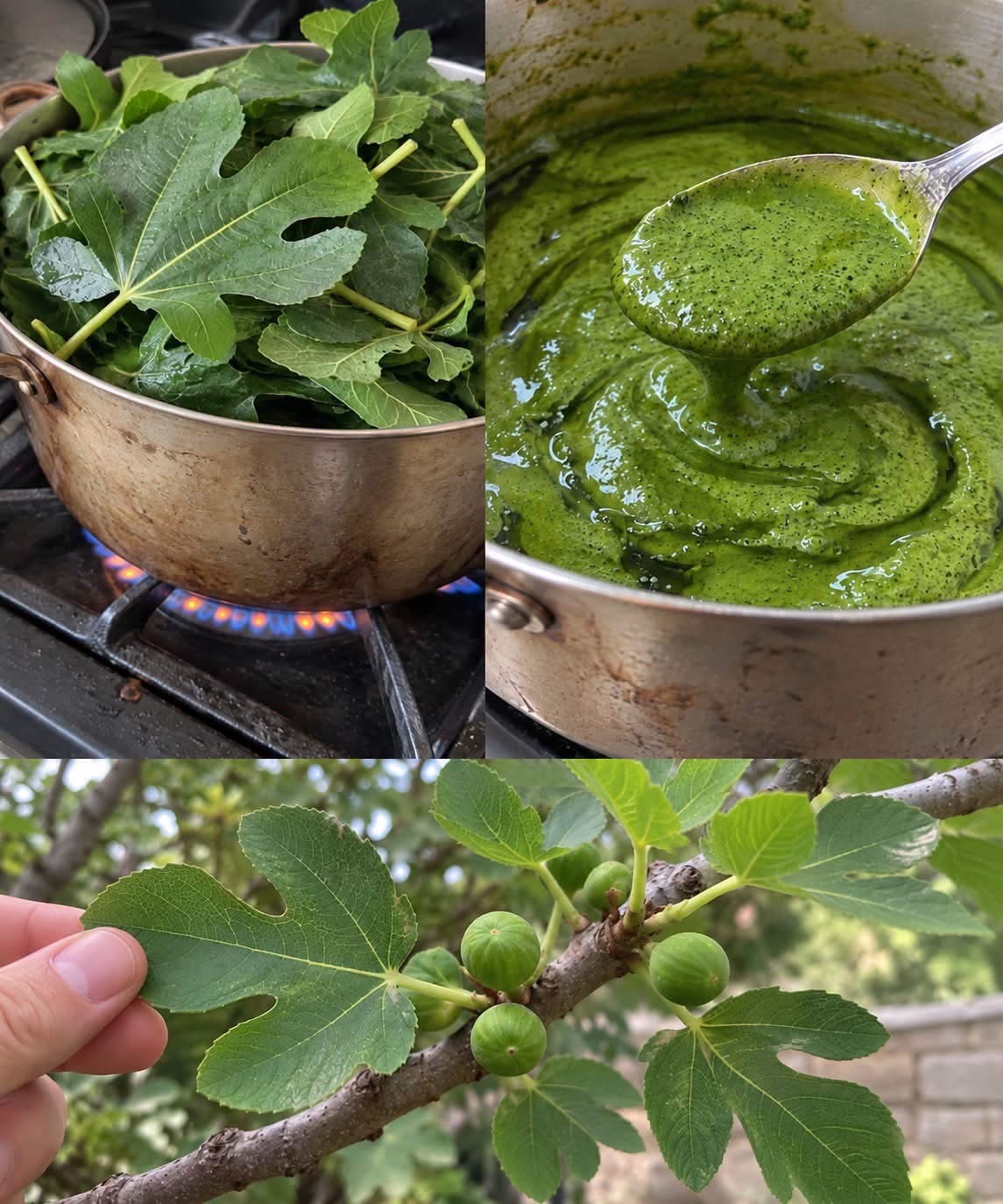
Fig leaves come from the common fig tree, scientifically known as Ficus carica. This tree is widely grown in Mediterranean countries, including Morocco, where fig fruits are enjoyed fresh or dried. While figs are well known for their natural sweetness and nutritional value, the leaves have also attracted attention because of their traditional uses in cooking and herbal preparations.
The large green leaves shown in the image are recognizable by their broad shape and deep lobes. They can be used in certain culinary preparations, and researchers have investigated compounds found in fig leaves for their potential biological activities. However, it is important to distinguish traditional practices from benefits that have been confirmed through high-quality human research.
This article explores fig leaves, their potential benefits, traditional uses, preparation methods, and important safety precautions.
What Are Fig Leaves
Fig leaves grow on the common fig tree, a member of the mulberry family. The leaves are generally large, green, and divided into several rounded or pointed lobes. Their shape can vary depending on the variety and growing conditions.
Fig trees thrive in warm climates and are commonly found in gardens, orchards, and rural areas throughout the Mediterranean region. They produce the familiar edible fruits that can be green, purple, brown, or nearly black when ripe.
Although the fruit is a common food, the leaves are less frequently used in everyday meals. In some culinary traditions, they are used to wrap foods, add aroma during cooking, or prepare traditional herbal drinks.
Fig leaves contain naturally occurring plant compounds, including polyphenols and other substances that have attracted scientific interest. Their composition can vary with the plant variety, season, environment, and preparation method.
Potential Benefits of Fig Leaves
Fig leaves have been used traditionally in different cultures. Some of these uses have inspired scientific research, but the available evidence remains limited for many proposed health benefits.
1. They Contain Naturally Occurring Plant Compounds
Plants produce a variety of compounds that help them respond to environmental stress and other conditions. Fig leaves contain several groups of these substances, including phenolic compounds and flavonoids.
Some of these compounds demonstrate antioxidant activity in laboratory experiments. Antioxidants can help neutralize certain reactive molecules under experimental conditions.
However, laboratory findings do not automatically demonstrate that consuming fig leaves produces the same effects in the human body. More research is needed to determine the practical nutritional and health significance of these compounds.
2. They Have Been Studied for Blood Sugar Management
One of the best-known traditional uses of fig leaves involves blood sugar management. Researchers have investigated whether preparations made from fig leaves could influence glucose levels.
A small clinical study published in 1998 examined fig leaf decoction in people with type 1 diabetes. The researchers reported changes in after-meal blood glucose levels and insulin requirements during the study period. However, the study included only a small number of participants, so its results cannot establish that fig leaves are a safe or effective diabetes treatment.
Other research has examined fig plants and their compounds in laboratory and animal settings. These findings may help guide future research, but they are not enough to recommend fig leaf tea or extracts as a substitute for established medical care.
People living with diabetes should not stop taking prescribed medication or change insulin doses because of information about fig leaves. Anyone considering a fig leaf preparation should first discuss it with a qualified healthcare professional because blood glucose may be affected.
3. They May Have Antioxidant Activity
Antioxidant activity is frequently discussed in research on plant foods. Fig leaves contain compounds that may show antioxidant properties in laboratory testing.
Oxidative stress is involved in several biological processes, and researchers continue to study the relationship between dietary plant compounds and human health.
Nevertheless, there is not enough strong clinical evidence to claim that eating fig leaves prevents particular diseases or provides a specific antioxidant benefit. A varied diet containing established sources of nutrients, such as fruits, vegetables, legumes, nuts, and whole grains, remains a more reliable approach to supporting general health.
4. They Are Being Investigated for Other Biological Effects
Scientific reviews have discussed several possible biological activities of compounds obtained from fig plants. These include effects observed in experimental studies involving inflammation, microorganisms, and metabolic processes.
Such findings are preliminary. Extracts used in laboratories may be much more concentrated than preparations made at home, and results can differ depending on the plant part and extraction method.
Fig leaves should therefore not be described as a proven treatment for infections, inflammatory conditions, cancer, or other diseases. Further well-designed human studies are necessary before specific medical uses can be recommended.
Fig Leaves and Nutrition
Fig leaves are not as well studied as fig fruits in terms of their nutritional contribution to the human diet. Their exact nutrient content depends on factors such as variety, growing conditions, maturity, and preparation.
The leaves contain plant material and naturally occurring chemical compounds, but reliable nutritional information for a typical serving of cooked fig leaves is limited.
It is also important to understand that a compound being present in a plant does not necessarily mean that it is absorbed efficiently or produces a meaningful health effect after consumption.
For people interested in the nutritional benefits of figs, the fruits themselves are a more established food choice. Fresh and dried figs provide dietary fiber and naturally occurring sugars, while also contributing minerals and other plant compounds to the diet.
Traditional Uses of Fig Leaves
Fig leaves have been used in traditional practices for generations, particularly in regions where fig trees grow naturally.
Culinary Uses
In some cuisines, fig leaves are used to wrap foods during cooking. The leaves can impart an earthy, green aroma to certain preparations. They may also be used to add fragrance to foods during heating, depending on the recipe.
Culinary traditions vary from one region to another. Not every traditional use is suitable for every fig variety or preparation method, so leaves should only be used when their identity and suitability for food use are known.
Herbal Infusions
Some traditional preparations involve steeping or simmering fig leaves in water. These drinks are sometimes promoted online for their possible health effects.
However, there is no universally established safe or effective dose for fig leaf tea for general wellness. The concentration of plant compounds can vary considerably depending on the number of leaves, their size, freshness, and cooking time.
Anyone considering regular consumption for a health condition should seek professional advice rather than relying on homemade preparations as treatment.
Cooking and Wrapping Foods
Fig leaves can sometimes be used as food wrappers to provide aroma during cooking. If used in a recipe, they should be correctly identified, thoroughly cleaned, and handled according to safe food preparation practices.
A leaf used as a wrapper is not necessarily intended to be eaten. Follow the specific recipe and discard leaves that are meant only to flavor or wrap the food.
How to Prepare Fig Leaves for Culinary Use
The image shows fig leaves being heated in a pot and a green blended preparation. The appearance alone does not establish the ingredients, recipe, or safety of the finished mixture.
If you are considering fig leaves for culinary use, follow these general precautions.
Step 1 Choose the Correct Leaves
Use leaves only when you are certain they come from an accurately identified common fig tree. Do not assume that an unfamiliar plant is safe because it resembles a fig tree.
Choose healthy leaves from a clean location. Avoid leaves that have been exposed to pesticides, roadside pollution, animal waste, or other potential contaminants.
Step 2 Wash the Leaves Carefully
Rinse the leaves thoroughly under clean running water to remove dirt and surface debris. Remove damaged portions and discard leaves that appear moldy or contaminated.
Washing reduces some surface contamination but does not remove every chemical residue or make an unidentified plant safe.
Step 3 Follow a Tested Culinary Recipe
Use a recipe from a reliable culinary source that specifically identifies fig leaves as an ingredient. Cooking times and preparation methods should follow that recipe.
Do not assume that boiling or blending makes every plant compound harmless. In particular, fig leaves release a milky sap when damaged, and this sap can irritate the skin.
Step 4 Avoid Unverified Concentrated Preparations
Do not prepare highly concentrated fig leaf extracts or consume large amounts based on online health claims. There is insufficient evidence to establish a general medicinal dose.
If you experience an unexpected reaction after consuming a preparation, stop using it and seek medical advice if symptoms persist or are severe.
Important Safety Precautions
Natural plants can contain substances that cause unwanted reactions. Fig leaves should not automatically be considered safe simply because they come from an edible fruit tree.
Skin Irritation From Fig Sap
Fig trees produce a milky latex-like sap when their leaves, stems, or unripe fruits are damaged. This sap may irritate the skin and can cause reactions in some people.
Certain compounds in fig plants can also make skin more sensitive to sunlight. Contact with sap followed by sun exposure may lead to redness, burning, or blistering in susceptible individuals.
Wear protective gloves when harvesting or cutting fig leaves, avoid touching your face and eyes, and wash exposed skin promptly. If a skin reaction develops, avoid further exposure and seek medical advice when necessary.
Possible Effects on Blood Sugar
Because fig leaf preparations have been studied for possible effects on blood glucose, people taking insulin or glucose-lowering medication should be particularly cautious.
Combining an unstandardized herbal preparation with diabetes medication could make blood glucose management less predictable. Do not use fig leaves to replace prescribed treatment.
Allergic Reactions
People who are sensitive to figs or related plants may experience unwanted reactions. Stop using a preparation if you notice itching, swelling, a rash, or other unusual symptoms.
Difficulty breathing or swelling of the tongue or throat requires emergency medical attention.
Pregnancy and Breastfeeding
There is insufficient reliable evidence to establish the safety of medicinal quantities of fig leaves during pregnancy or breastfeeding. People in these groups should avoid medicinal preparations unless their healthcare professional specifically advises otherwise.
Medication Interactions
The safety of combining concentrated fig leaf products with different medicines has not been adequately established. Discuss their use with a pharmacist or healthcare professional if you take regular medication or have a chronic health condition.
Fig Leaves Compared With Fig Fruits
Fig leaves and fig fruits come from the same tree, but they have different culinary roles and different levels of nutritional evidence.
Fresh figs are commonly eaten as fruit and can provide fiber, naturally occurring sugars, and other nutrients. Dried figs contain less water and are more concentrated in sugars and calories by weight.
Fig leaves are mainly used in certain traditional culinary preparations and have been studied for their plant compounds. Their nutritional contribution to a typical serving is less clearly established, and their safety depends on correct identification and preparation.
For everyday nutrition, eating a variety of established foods is generally a more dependable choice than relying on a particular leaf preparation for a health effect.
Common Myths About Fig Leaves
Myth 1 Fig Leaves Cure Diabetes
There is limited preliminary research on fig leaf preparations and blood glucose. This does not prove that fig leaves cure diabetes or that they can replace medication, insulin, dietary planning, or medical monitoring.
Myth 2 Natural Remedies Have No Side Effects
Natural substances can still cause irritation, allergic reactions, and interactions with medicines. Fig sap is a particular reason to handle the plant carefully.
Myth 3 More Fig Leaf Tea Means Better Results
There is no established general dose for fig leaf tea that guarantees a health benefit. Increasing the amount may increase exposure to unwanted compounds without providing additional benefit.
Myth 4 Blending Makes Fig Leaves Safe to Eat
Blending changes the texture of leaves but does not prove that they are safe to consume. Proper plant identification, ingredient selection, and a suitable culinary preparation remain essential.
Frequently Asked Questions
Can fig leaves be eaten?
Some culinary traditions use fig leaves in food preparation, but the suitability of a specific preparation depends on correct plant identification and the recipe. Leaves used as wrappers may not be intended for eating. Avoid consuming unidentified leaves or unverified concentrated preparations.
Can fig leaf tea lower blood sugar?
A small clinical study reported changes in blood glucose measurements with a fig leaf decoction, but the evidence is too limited to establish safety and effectiveness for routine treatment. People with diabetes should consult their healthcare professional before considering it.
Can fig leaves be blended into a green paste?
The image appears to show a blended green preparation, but it does not provide enough information to confirm the recipe or whether the finished mixture is safe. Use only a reliable recipe specifically intended for fig leaves, and do not assume blending removes potentially irritating substances.
Are fig leaves rich in vitamins?
The nutritional composition of fig leaves is less clearly established than that of fig fruits. Claims about unusually high levels of particular vitamins or minerals should be supported by reliable nutritional analyses.
Can fig leaves be applied directly to the skin?
Applying fig leaves or their sap to the skin is not recommended as a general home remedy. Fig sap can cause irritation and may increase sensitivity to sunlight.
Are fig leaves safe for everyone?
No. People with plant allergies, sensitive skin, diabetes, or other medical conditions may need extra precautions. Safety during pregnancy and breastfeeding is also not well established for medicinal use.
Final Thoughts
Fig leaves are an interesting part of the common fig tree and have a long history of traditional culinary and herbal use. They contain naturally occurring plant compounds that researchers continue to investigate, including compounds with antioxidant activity in laboratory studies.
However, evidence for specific health benefits in humans remains limited. Fig leaves should not be promoted as a cure for diabetes or other medical conditions, and they should never replace prescribed treatment.
Anyone interested in using fig leaves should prioritize correct plant identification, safe handling, and reliable culinary guidance. The milky sap can irritate skin, and concentrated herbal preparations may pose additional risks. For everyday nutrition, fresh figs and a balanced diet remain practical choices with a better-established role in food.
Disclaimer: This article is for educational purposes only and is not medical advice. Consult a qualified healthcare professional before using fig leaves for medicinal purposes, particularly if you have a medical condition or take medication.