Introduction
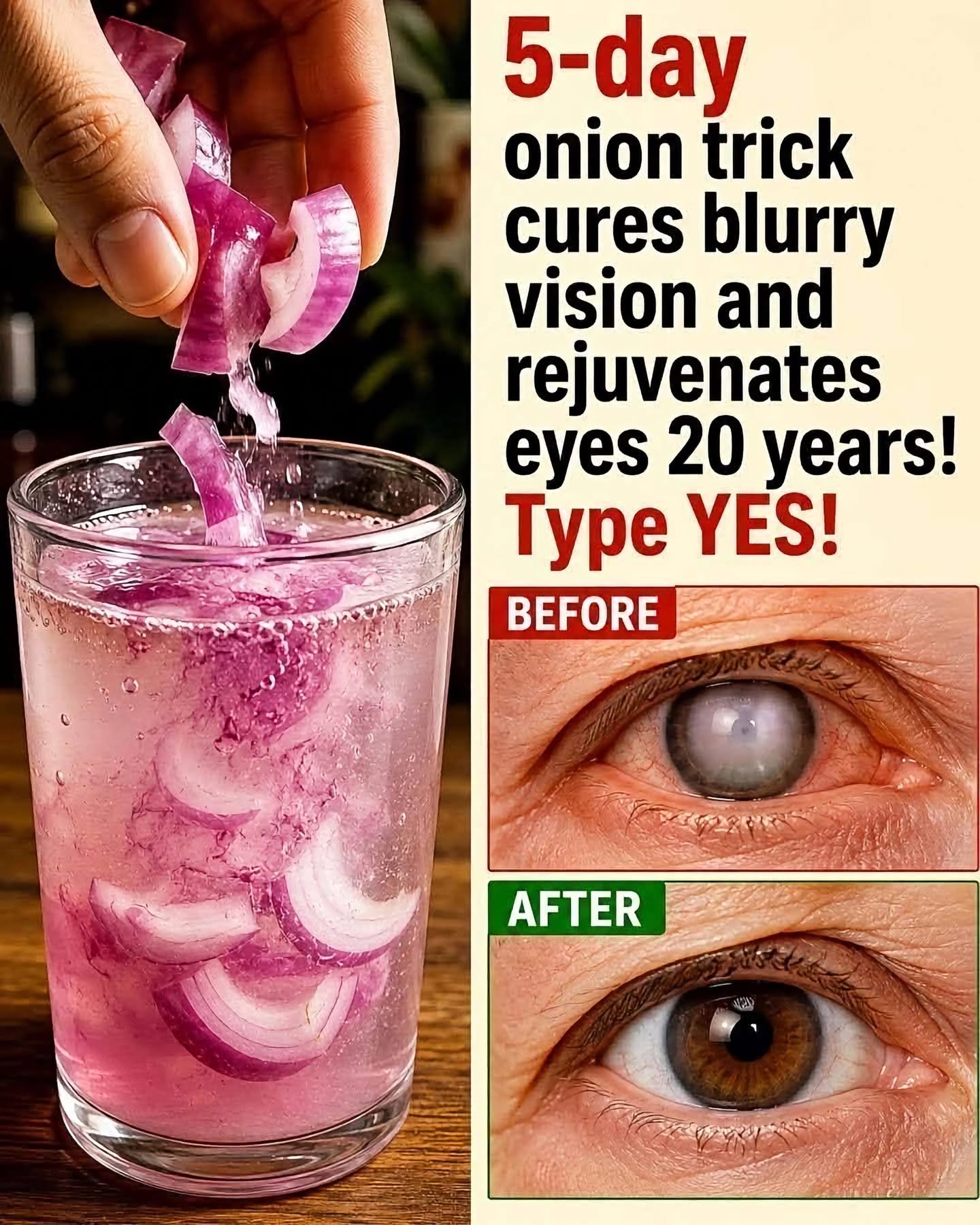
Onions are common vegetables used in kitchens around the world. They add flavor to meals and contain nutrients and plant compounds that contribute to a balanced diet. Because onions contain antioxidants, some online posts claim that onion water can improve eyesight, remove cloudy areas from the eyes, or restore youthful vision in just five days.
However, these claims are not supported by reliable clinical evidence. Drinking onion water has not been proven to cure blurry vision, reverse cataracts, or restore eyesight in people with eye diseases. Vision changes can have several causes, and some require prompt medical treatment.
The good news is that there are practical ways to support eye health. A balanced diet, regular eye examinations, protection from ultraviolet light, and appropriate treatment of existing conditions can all play important roles.
This article explores the nutritional value of onions, what science says about their potential benefits, common causes of blurry vision, and safe steps you can take to protect your eyesight.
Nutritional Benefits of Onions
Onions provide several nutrients and plant compounds that can contribute to overall health. Their nutritional value depends on the variety, serving size, and preparation method.
Antioxidant Compounds
Onions contain antioxidants, including quercetin and other plant compounds. Antioxidants help protect cells from damage associated with oxidative stress.
Oxidative stress is involved in many biological processes, and researchers study its possible role in several chronic conditions. However, the presence of antioxidants in a food does not mean that the food can treat a particular eye disease.
Eating onions as part of a varied diet can contribute to overall nutritional quality, but they should not be considered a substitute for eye care.
Vitamins and Minerals
Onions provide small amounts of vitamin C and other nutrients. They also contain compounds that contribute to their distinctive flavor and aroma.
Although vitamin C is important for normal body functions, onions alone do not provide all the nutrients needed to maintain eye health. A varied diet that includes fruits, vegetables, whole grains, healthy fats, and suitable protein sources is a more effective approach to meeting nutritional needs.
Dietary Fiber
Onions contain fiber, including prebiotic carbohydrates that can help support beneficial gut bacteria. The amount varies according to the serving size and the type of onion.
Fiber supports digestive health and can be part of an eating pattern that helps maintain overall well-being.
Can Onion Water Improve Eyesight
There is currently no reliable clinical evidence that drinking onion water improves blurry vision or reverses eye conditions such as cataracts.
Onions can be part of a healthy diet, but they do not contain a proven treatment that can clear a cloudy eye lens or restore vision damaged by an eye disease.
Blurry vision can result from several different problems, including:
- An incorrect glasses or contact lens prescription
- Dry eyes
- Cataracts
- Diabetes-related eye disease
- Glaucoma or other eye conditions
- Problems affecting the retina or optic nerve
Because the causes differ, treatment must be based on the underlying problem.
It is also important not to put onion juice, onion water, or homemade mixtures directly into the eyes. These substances are not sterile and can irritate or injure delicate eye tissues. Use only eye products recommended by a qualified healthcare professional.
Understanding Cataracts and Cloudy Vision
A cataract develops when the normally clear lens inside the eye becomes cloudy. This can make vision hazy, blurry, or less colorful. Cataracts often develop gradually as people age, although other factors can contribute to their development.
Common symptoms include:
- Blurry or cloudy vision
- Difficulty seeing clearly at night
- Increased sensitivity to bright lights
- Halos around lights
- Colors appearing less vivid
- Frequent changes in glasses prescriptions
A cloudy appearance in the eye should be assessed by an eye care professional. A photograph alone cannot establish a diagnosis.
Can Food or Onion Water Remove Cataracts
No food or homemade drink has been proven to remove an established cataract. Healthy eating can support general health, but it cannot replace appropriate treatment for a cloudy eye lens.
When cataracts interfere significantly with everyday activities, an eye specialist may recommend surgery. The procedure involves removing the cloudy lens and replacing it with an artificial lens. The appropriate timing depends on how much the cataract affects vision and daily life.
People experiencing cloudy vision should arrange an eye examination rather than relying on an unproven remedy.
Foods That Support General Eye Health
Although no single food can guarantee perfect vision, a varied diet can provide nutrients needed for normal eye function.
Leafy Green Vegetables
Spinach, kale, and other leafy greens contain lutein and zeaxanthin, plant pigments found in the retina. These nutrients are being studied for their roles in eye health.
Including leafy greens regularly can help improve the nutritional quality of meals.
Carrots and Other Orange Vegetables
Carrots, sweet potatoes, and pumpkin provide beta-carotene, which the body can convert into vitamin A. Vitamin A is essential for normal vision, particularly in low light.
A severe vitamin A deficiency can cause eye problems, but eating extra carrots will not correct every cause of blurry vision.
Fatty Fish
Salmon, sardines, and other oily fish provide omega-3 fatty acids. These fats are important for several body functions, and fish can be part of a balanced diet.
They should not be regarded as a guaranteed treatment for dry eyes or other eye conditions.
Eggs
Eggs provide nutrients, including lutein and zeaxanthin, along with protein and other vitamins. They can be included in a balanced diet if suitable for an individual’s dietary needs.
Citrus Fruits and Berries
Oranges, strawberries, and other fruits provide vitamin C and a range of plant compounds. Eating a variety of fruits helps supply nutrients that contribute to general health.
Nuts and Seeds
Nuts and seeds provide healthy fats and other nutrients. They can complement vegetables, fruits, whole grains, and protein-rich foods in an overall healthy eating pattern.
The goal is to maintain dietary variety rather than relying on a single ingredient or a so-called miracle recipe.
Daily Habits That Help Protect Your Eyes
Nutrition is only one part of maintaining healthy vision. Several everyday habits can also help protect your eyes.
Schedule Regular Eye Examinations
Eye examinations can identify vision problems and detect certain eye diseases before noticeable symptoms develop. The appropriate frequency depends on your age, health, family history, and individual risk factors.
People with diabetes or known eye conditions may need more frequent monitoring.
Protect Your Eyes From Ultraviolet Light
Long-term exposure to ultraviolet radiation can increase the risk of certain eye problems. Wearing sunglasses that provide appropriate UVA and UVB protection, along with a brimmed hat when outdoors, can help reduce exposure.
Choose sunglasses that provide genuine UV protection rather than relying only on the darkness of the lenses.
Manage Diabetes and Blood Pressure
Diabetes can damage the blood vessels in the retina and lead to diabetic eye disease. High blood pressure and other cardiovascular risk factors can also affect overall health.
Following medical advice about blood sugar, blood pressure, medication, and recommended eye examinations can help reduce risks.
Avoid Smoking
Smoking is associated with an increased risk of several eye conditions, including age-related macular degeneration and cataracts. Avoiding tobacco is an important step toward protecting general and eye health.
Give Your Eyes Breaks During Screen Use
Extended screen use can contribute to temporary eye discomfort and dryness. Taking regular breaks, blinking normally, adjusting screen brightness, and maintaining a comfortable viewing distance may help.
However, screen breaks do not treat cataracts, retinal disease, or other medical causes of blurry vision.
A Simple and Safe Way to Include Onions in Your Diet
Onions can be enjoyed in ordinary meals without relying on unproven medicinal claims.
Ingredients
- One small onion
- A selection of vegetables
- A source of protein, such as beans, eggs, fish, or chicken
- Olive oil or another suitable cooking oil
- Herbs and spices of your choice
Preparation
- Wash and prepare the vegetables.
- Slice the onion and cook it with the other ingredients.
- Add your chosen protein and seasonings.
- Serve the meal with a suitable whole-grain food if desired.
This meal can contribute to a varied diet. It is not an eyesight treatment, and there is no need to drink onion water for five days to obtain its ordinary nutritional benefits.
People who experience digestive discomfort after eating raw onions may find cooked onions easier to tolerate.
Warning Signs That Need Medical Attention
Changes in vision should not automatically be attributed to age, nutrition, or tiredness.
Seek urgent medical care if you experience sudden blurry vision or sudden loss of vision, especially in one eye. New flashes of light, a sudden increase in floaters, or a dark shadow that looks like a curtain across your vision may indicate a serious problem involving the retina.
Severe eye pain, a red eye with blurred vision, or vision changes accompanied by a severe headache, weakness, or difficulty speaking also require urgent assessment.
Do not delay care to try onion water or another home remedy. Early evaluation can be important when vision changes are caused by a condition that needs prompt treatment.
Frequently Asked Questions
Does onion water cure blurry vision in five days?
No. There is no reliable clinical evidence that onion water cures blurry vision in five days. The appropriate treatment depends on the cause of the vision change.
Can onions restore eyesight naturally?
Onions provide nutrients and plant compounds, but they have not been proven to restore lost eyesight. A healthy diet supports general health but cannot replace treatment for eye diseases.
Can onion juice be put directly into the eyes?
No. Do not put onion juice or homemade onion water into your eyes. These preparations are not sterile and may cause irritation or injury.
Which foods are good for eye health?
Leafy greens, orange vegetables, fruits, eggs, fish, nuts, and other nutrient-rich foods can contribute to a balanced diet. No single food guarantees clear vision or prevents every eye condition.
What is the most effective treatment for cataracts?
An eye specialist can confirm whether cataracts are present and discuss treatment options. Cataract surgery is the established treatment that removes the cloudy lens when treatment is needed.
Should I see a doctor for blurry vision?
Yes, if blurry vision persists, returns repeatedly, or affects daily activities, arrange an eye examination. Sudden vision changes require urgent medical assessment.
Conclusion
Onions are nutritious vegetables that can be part of a balanced diet, but claims that onion water cures blurry vision or rejuvenates the eyes in five days are not supported by reliable scientific evidence.
Protecting eyesight involves a combination of healthy eating, UV protection, avoiding smoking, managing health conditions, and receiving appropriate eye examinations. If vision becomes blurry, the most important step is to identify the cause rather than relying on a home remedy.
Never put onion juice or other homemade preparations into your eyes. For persistent or sudden changes in vision, seek professional medical advice.
This article is for general educational purposes and is not a substitute for professional medical advice, diagnosis, or treatment.