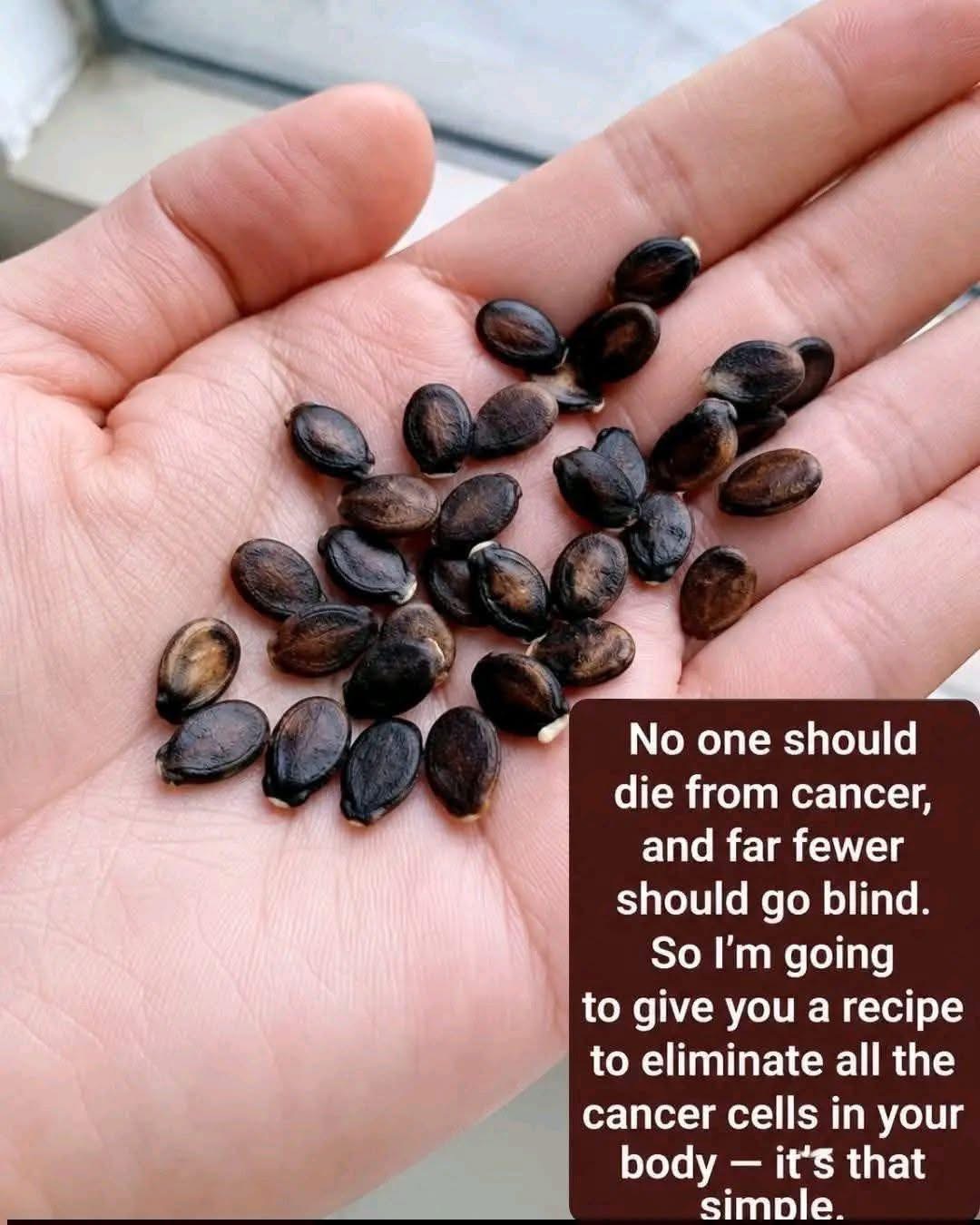
Papaya is a tropical fruit enjoyed around the world for its sweet flavor, soft texture, and nutritional value. While most people eat the orange flesh and remove the seeds, papaya seeds are also edible and have attracted attention because they contain several naturally occurring plant compounds.
In recent years, social media posts have promoted papaya seeds as a powerful natural remedy for cancer. Some posts claim that eating papaya seeds according to a particular recipe can eliminate all cancer cells in the body and prevent serious diseases.
These claims should be treated carefully. Papaya seeds contain interesting compounds and are being studied by researchers, but there is currently no reliable evidence that eating papaya seeds can eliminate cancer in humans.
This article explains what is known about papaya seeds, their nutritional properties, possible benefits, and the important difference between promising research and proven medical treatment.
What Are Papaya Seeds
Papaya seeds are the small black seeds found inside the papaya fruit. They have a strong, peppery, slightly bitter flavor.
Although they are often discarded, papaya seeds contain various plant compounds. They have traditionally been used in different cultures as a food ingredient and in traditional remedies.
The seeds can be eaten in small quantities and are sometimes dried and ground for use as a seasoning.
However, the fact that papaya seeds contain biologically active substances does not mean that they can treat serious diseases.
Natural foods can contain powerful compounds while still requiring careful evaluation before specific health claims are made.
Why Papaya Seeds Are Being Studied
Researchers are interested in papaya seeds because they contain several compounds with potential biological activity.
Laboratory research has examined different extracts from papaya seeds and other parts of the papaya plant. Some studies have investigated antioxidant, antimicrobial, anti-inflammatory, and other possible properties.
These findings may help researchers understand how compounds from papaya could potentially be used in the future.
However, laboratory research is an early stage of scientific investigation.
A compound showing an effect in a laboratory experiment does not automatically mean that eating the whole seeds will produce the same effect in a human body.
This is particularly important when claims involve cancer treatment.
Can Papaya Seeds Eliminate Cancer Cells
The image associated with this topic makes a strong claim that a recipe using papaya seeds can eliminate all cancer cells in the body.
There is currently no reliable clinical evidence supporting this claim.
Some laboratory studies have investigated papaya extracts and their possible effects on certain types of cells. Researchers may observe changes in cell growth or other biological processes under controlled laboratory conditions.
But cancer is a complex group of diseases, and treating cancer in humans requires much more evidence.
A substance that affects cancer cells in a laboratory does not automatically become a cancer treatment.
Scientists need carefully designed human clinical trials to determine whether a substance actually works, what dose is appropriate, how it should be administered, and whether it is safe.
For this reason, papaya seeds should not be presented as a cure for cancer.
Laboratory Research Is Not the Same as a Cancer Cure
One of the biggest problems with viral health posts is that they often take a laboratory finding and present it as if it were a proven medical treatment.
Imagine that researchers expose cancer cells in a laboratory dish to a concentrated plant extract and observe that some cells die.
That is potentially interesting research.
However, it does not tell us whether eating a small amount of the plant will produce the same concentration in the human body.
The digestive system may break down some compounds. Other substances may not be absorbed effectively. The concentration reaching the target tissue may also be much lower than the concentration used in the laboratory.
There can also be safety problems when a substance is consumed at the dose required to produce a biological effect.
This is why human clinical research is essential.
Can Papaya Seeds Prevent Cancer
There is also insufficient evidence to recommend papaya seeds as a specific food for preventing cancer.
A healthy diet can contribute to overall health, and eating a variety of fruits and vegetables is generally beneficial.
However, cancer risk is influenced by many factors, including age, genetics, tobacco exposure, alcohol consumption, physical activity, body weight, environmental exposures, and other lifestyle factors.
No single food can guarantee protection from cancer.
Rather than looking for one special ingredient, it is better to focus on an overall healthy lifestyle and appropriate medical screening.
Nutritional Properties of Papaya Seeds
Papaya seeds contain plant compounds and small amounts of nutrients.
They also contain substances that give them their distinctive bitter and peppery flavor.
Because people generally consume much smaller quantities of seeds than the amount of papaya flesh they eat, papaya seeds should not be considered a major source of everyday nutrition.
The flesh of the papaya is usually a more practical way to obtain nutrients from the fruit.
Papaya flesh provides vitamin C, carotenoids, fiber, and other nutrients that can contribute to a balanced diet.
Papaya Seeds and Antioxidants
Papaya seeds contain various compounds that have antioxidant properties.
Antioxidants are substances that can help protect cells from oxidative stress.
Many fruits, vegetables, nuts, seeds, and other plant foods contain antioxidant compounds.
However, the word antioxidant is sometimes used online as if it automatically means a food can prevent or cure cancer.
That is not how the science works.
Antioxidant activity measured in a laboratory does not necessarily translate into prevention or treatment of a particular disease in humans.
The overall quality of the diet remains much more important than relying on a single antioxidant rich food.
Papaya Seeds and Digestion
Papaya is often associated with digestive health because the fruit contains an enzyme called papain.
Papain is a protein digesting enzyme found primarily in the latex and fruit of the papaya plant.
Papaya fruit can be included in a balanced diet and provides dietary fiber, which is important for normal digestive function.
Papaya seeds have traditionally been used in some cultures for digestive purposes, but strong clinical evidence for using them as a treatment for digestive disorders is limited.
People experiencing persistent abdominal pain, unexplained weight loss, blood in the stool, or ongoing digestive symptoms should seek appropriate medical evaluation instead of relying on seeds or other home remedies.
Can Papaya Seeds Kill Parasites
Another traditional claim involves the use of papaya seeds against intestinal parasites.
Some research has investigated papaya preparations for possible antiparasitic effects, including limited human research involving specific preparations.
However, this does not mean that eating papaya seeds is a universally proven treatment for intestinal parasites.
Parasite infections can vary considerably, and proper diagnosis is important.
If a person suspects a parasitic infection, medical testing and appropriate treatment are more reliable than depending on an internet recipe.
How Much Papaya Seed Should You Eat
There is no universally established medicinal dosage of papaya seeds for treating cancer or other serious diseases.
This is important because online recipes may recommend specific numbers of seeds or specific preparation methods as if they were medically established.
They are not.
The amount of compounds present in seeds can vary according to the variety of papaya, maturity, preparation, and other factors.
A homemade recipe therefore does not provide the standardized dose required for medical treatment.
Anyone considering consuming large amounts of papaya seeds regularly should discuss the idea with a healthcare professional.
Are Papaya Seeds Safe
Papaya seeds are edible, but edible does not necessarily mean that consuming large amounts is harmless.
Papaya seeds contain biologically active compounds, and research has raised questions about their effects at higher amounts and in certain circumstances.
There is also limited information about the long term effects of consuming large quantities.
Pregnant individuals should be particularly cautious with concentrated papaya seed preparations. People taking medication or managing a medical condition should also seek professional advice before using large amounts of papaya seeds as a supplement or remedy.
Moderation and appropriate food use are very different from consuming concentrated preparations for medicinal purposes.
Papaya Seeds and Pregnancy
Extra caution is appropriate during pregnancy.
Different parts of the papaya plant contain different compounds, and safety can depend on the amount and form consumed.
There is not enough evidence to recommend concentrated papaya seed preparations during pregnancy.
Pregnant individuals should discuss herbal remedies and concentrated plant products with their healthcare professional before using them.
A normal serving of ripe papaya as food is a different situation from taking large quantities of seeds or concentrated extracts.
Papaya Seeds and Fertility
Some research has raised questions about the possible effects of papaya seeds on reproductive health, particularly in animal or laboratory studies.
These findings are not enough to establish a clear effect in humans.
People trying to conceive should avoid assuming that papaya seeds are either a fertility treatment or completely risk free in large medicinal quantities.
Anyone with concerns about fertility should speak with an appropriate healthcare professional rather than relying on social media recipes.
Why Social Media Cancer Recipes Can Be Dangerous
Cancer is a serious disease that requires an accurate diagnosis and appropriate treatment.
When a social media post claims that a simple recipe can eliminate all cancer cells, it can create false hope.
The biggest concern is not necessarily that someone eats a few papaya seeds. The greater danger is when a person uses the recipe instead of seeking medical care or stops an effective treatment.
Cancer treatment is individualized.
Depending on the cancer type and stage, treatment may include surgery, radiation therapy, chemotherapy, immunotherapy, targeted therapy, hormone therapy, or combinations of these approaches.
These treatments are supported by clinical research and are selected according to the patient’s specific condition.
A homemade seed recipe cannot replace this process.
What to Do If You Have Cancer
Anyone diagnosed with cancer should discuss treatment options with their oncology team.
If you are interested in complementary approaches such as nutrition, herbal products, or traditional remedies, tell your healthcare professionals about them.
This allows the medical team to consider possible interactions and safety concerns.
It is completely reasonable to want to support your health through nutrition and lifestyle.
The important distinction is between using healthy habits to support your wellbeing and using an unproven remedy as a substitute for cancer treatment.
A Healthy Diet and Cancer Risk
Although no single food can eliminate cancer, dietary habits are an important part of overall health.
A varied diet can include vegetables, fruits, whole grains, beans, lentils, nuts, seeds, and other nutrient rich foods.
Maintaining a healthy weight, staying physically active, avoiding tobacco, limiting alcohol, and following recommended screening programs can also contribute to reducing certain cancer risks.
These strategies do not guarantee that someone will never develop cancer.
However, they are more consistent with established approaches to long term health than relying on one food or recipe.
How to Recognize Misleading Health Claims
Viral health posts often use dramatic language to attract attention.
Phrases such as “eliminate all cancer cells,” “no more chemotherapy,” “doctors do not want you to know,” or “works in a few days” should be treated with skepticism.
A genuine medical treatment requires evidence.
When you see a claim, ask where the research was conducted.
Was it a laboratory experiment?
Was it an animal study?
Was it a human clinical trial?
Was the exact recipe used in the study?
How many people participated?
Were the results independently confirmed?
These questions can help determine whether a claim is supported by evidence or simply based on speculation.
Personal Testimonials Are Not Scientific Proof
Social media comments sometimes say that someone ate papaya seeds and felt healthier or that a relative improved after using them.
Personal experiences can be real, but they cannot establish that a particular food cured a disease.
Symptoms can naturally improve and worsen over time. People may also change several aspects of their lifestyle or receive medical treatment at the same time.
Controlled clinical studies are designed to determine whether an intervention itself is responsible for an improvement.
This is why medical decisions should not be based solely on testimonials.
The Difference Between Food and Medicine
Food and medicine can overlap, but they are not identical.
Foods provide nutrients and can contribute to overall health.
Medicines are developed and tested to provide specific effects at controlled doses.
A plant may contain a compound that eventually becomes the basis for a medicine. Researchers may isolate it, modify it, determine an appropriate dose, study its safety, and conduct clinical trials.
This process is very different from simply eating the plant.
Therefore, discovering a potentially useful compound in papaya does not mean that eating papaya seeds is equivalent to taking a cancer medicine.
Can Papaya Be Part of a Healthy Diet
Absolutely.
Ripe papaya is a nutritious tropical fruit that can be included in many different meals.
It can be eaten fresh, added to fruit salads, blended into smoothies, or used in other recipes.
Papaya provides vitamin C, carotenoids, fiber, and other naturally occurring nutrients.
Eating a variety of fruits and vegetables is generally a better strategy than focusing heavily on one food.
Papaya can therefore be appreciated for its nutritional value without making unsupported claims about its ability to cure disease.
Simple Ways to Enjoy Papaya
There are many easy ways to include papaya in your diet.
Fresh papaya can be eaten as a snack or added to a breakfast bowl.
It can also be combined with other fruits and plain yogurt.
A smoothie can include ripe papaya, yogurt, oats, and other fruits.
Papaya can also be included in savory dishes in some cuisines.
These options allow you to enjoy the fruit as food rather than treating it as a miracle medicine.
When to Seek Medical Advice
Do not wait for a home remedy to work if you have concerning symptoms.
Unexplained weight loss, persistent pain, unusual bleeding, a new lump, prolonged changes in bowel habits, difficulty swallowing, persistent cough, or other unexplained symptoms should be evaluated by a healthcare professional.
Early evaluation can be important because many medical conditions are easier to manage when identified promptly.
If you have already been diagnosed with cancer, follow the treatment plan provided by your healthcare team and discuss any supplements or herbal remedies before using them.
Frequently Asked Questions
Can papaya seeds cure cancer
There is no reliable clinical evidence showing that papaya seeds can cure cancer or eliminate all cancer cells in the human body.
Do papaya seeds kill cancer cells
Some laboratory research has investigated compounds from papaya and their effects on cells. However, laboratory findings do not prove that eating papaya seeds kills cancer cells in humans.
How many papaya seeds should I eat to treat cancer
There is no scientifically established dose of papaya seeds for treating cancer. They should not be used as a substitute for proven cancer treatment.
Can papaya seeds prevent cancer
There is insufficient evidence to recommend papaya seeds as a specific cancer prevention treatment. A varied diet and healthy lifestyle are more appropriate approaches to supporting overall health.
Can papaya seeds help digestion
Papaya fruit provides fiber and contains papain, while papaya seeds have traditional uses related to digestion. However, strong evidence supporting papaya seeds as a treatment for digestive diseases is limited.
Can papaya seeds remove parasites
Some research has investigated papaya preparations for possible antiparasitic effects, but this does not establish papaya seeds as a reliable treatment for all parasite infections. Proper diagnosis and appropriate treatment are important.
Are papaya seeds safe during pregnancy
Concentrated papaya seed preparations should not be used during pregnancy without professional medical advice. Safety can depend on the amount and preparation.
Can I eat papaya seeds every day
Papaya seeds are edible, but there is no established need to consume them every day for health. Regularly consuming large medicinal quantities has not been sufficiently studied for long term safety.
Final Thoughts
Papaya seeds are an interesting part of the papaya fruit and contain naturally occurring plant compounds that researchers continue to study.
However, the claim that a simple papaya seed recipe can eliminate all cancer cells is not supported by reliable human clinical evidence.
Laboratory research can provide useful clues about potentially active compounds, but it cannot by itself prove that a food cures cancer.
Papaya fruit can be a nutritious addition to a balanced diet, providing vitamin C, carotenoids, fiber, and other nutrients. Papaya seeds can also be consumed as a food in appropriate amounts, but they should not be treated as a replacement for medical care.
If you have cancer or another serious health condition, speak with a qualified healthcare professional before using concentrated herbal preparations or changing your treatment.
The most important lesson is simple: a promising natural ingredient is not automatically a proven medicine.
Good nutrition, regular physical activity, avoiding tobacco, appropriate medical screening, and evidence based healthcare remain much more reliable ways to support long term health.