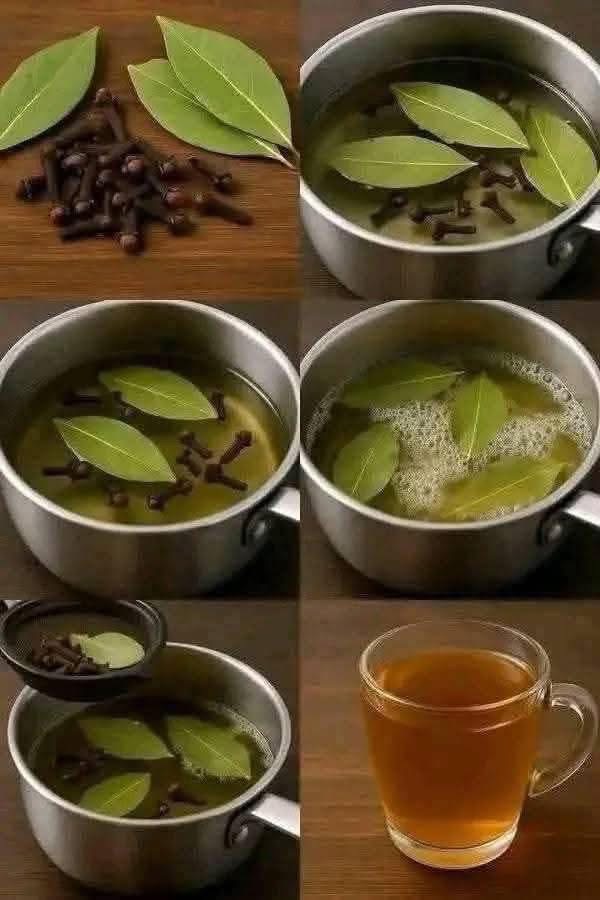
Bay leaves and cloves are two aromatic ingredients that have been used in cooking and traditional practices for generations. When combined with hot water, they create a fragrant herbal drink with a warm, slightly spicy flavor.
Images of bay leaf and clove tea are often shared online with claims that this simple drink can burn fat, control blood sugar, improve circulation, cleanse the body, or treat various health problems. While both ingredients contain naturally occurring plant compounds, many of the stronger health claims found online are not supported by enough human evidence.
This does not mean that bay leaves and cloves have no nutritional value. They can be part of a balanced diet and may provide antioxidants and other plant compounds. The important point is to understand what this tea can realistically do and how to consume it safely.
What Is Bay Leaf and Clove Tea
Bay leaf and clove tea is a simple infusion prepared by steeping or gently simmering bay leaves and whole cloves in water.
Bay leaves are aromatic leaves commonly used to flavor soups, stews, sauces, rice dishes, and other meals. Cloves are dried flower buds with a strong, warm flavor and aroma.
When heated in water, both ingredients release some of their aromatic compounds, creating a tea that can be enjoyed warm.
The exact strength of the drink depends on the number of leaves and cloves used, the amount of water, and how long the ingredients are heated.
What Are Bay Leaves
Bay leaves come from several plants used as culinary herbs. The type commonly used in cooking is valued mainly for its distinctive aroma and flavor.
Bay leaves contain naturally occurring plant compounds, including aromatic oils and antioxidant compounds.
They are generally used in relatively small quantities because of their strong flavor. A whole bay leaf is often added to a dish during cooking and removed before serving.
Bay leaves can also be used to prepare herbal infusions.
However, the fact that bay leaves contain active plant compounds does not mean that a concentrated bay leaf drink can cure disease or produce dramatic health effects.
What Are Cloves
Cloves are dried flower buds of the clove tree. They have a powerful spicy aroma and are commonly used in cooking and traditional preparations.
One of the most well known compounds in cloves is eugenol, an aromatic compound that has been studied for various biological properties.
Cloves also contain antioxidant compounds.
Because cloves have a strong flavor, only a small amount is usually needed when preparing a drink.
Cloves can be added to tea, desserts, sauces, rice dishes, baked foods, and spice mixtures.
Antioxidant Compounds in Bay Leaves and Cloves
Both bay leaves and cloves contain plant compounds with antioxidant activity.
Antioxidants are substances that can help protect cells from oxidative stress.
A diet containing a variety of fruits, vegetables, herbs, spices, nuts, seeds, and whole grains can provide many different antioxidant compounds.
Cloves are particularly rich in certain aromatic compounds, including eugenol.
However, antioxidant activity in a laboratory does not automatically mean that drinking a particular herbal tea will prevent or cure a disease.
This distinction is important when evaluating health claims on social media.
Can Bay Leaf and Clove Tea Help With Digestion
Warm herbal drinks can be comforting after a meal, and spices have traditionally been used in many cultures as part of digestive preparations.
Bay leaves and cloves are both commonly used as culinary spices.
Some of the compounds found in these ingredients have been studied for their biological effects, but there is not enough high quality human evidence to describe bay leaf and clove tea as a treatment for digestive disorders.
If you enjoy the flavor, a mild infusion can be included as part of your normal diet.
However, persistent bloating, severe abdominal pain, vomiting, unexplained weight loss, or ongoing changes in bowel habits should be evaluated by a healthcare professional.
Bay Leaf and Clove Tea for Weight Loss
One of the most common claims associated with this drink is that it can burn belly fat.
There is no strong evidence that bay leaf and clove tea directly melts body fat or produces rapid weight loss.
A plain herbal tea is usually low in calories, especially when it is consumed without sugar.
Replacing a high calorie sugary beverage with an unsweetened herbal drink can reduce overall calorie intake. Over time, that kind of substitution may support healthy weight management.
The effect comes primarily from reducing calorie consumption rather than from the tea acting as a special fat burning formula.
Sustainable weight management depends on overall diet, physical activity, sleep, and other lifestyle factors.
Bay Leaf and Clove Tea and Blood Sugar
Bay leaves and cloves have been investigated in laboratory and experimental research for possible effects on glucose metabolism.
These findings are interesting, but they do not establish bay leaf and clove tea as a treatment for diabetes.
Blood sugar regulation is complex and depends on hormones, diet, physical activity, medications, genetics, and other factors.
People with diabetes should not replace prescribed medication with herbal tea.
If you enjoy this drink, it is generally better to prepare it without large amounts of sugar or sweeteners.
Anyone taking medication for blood sugar should speak with a healthcare professional before regularly consuming concentrated herbal preparations.
Can This Tea Improve Circulation
Another popular claim is that bay leaf and clove tea improves blood circulation.
Some compounds found in spices have been studied for their effects on blood vessels and other biological processes.
However, this does not mean that drinking a homemade tea can treat poor circulation or vascular disease.
Circulation problems can have many causes, including diabetes, high blood pressure, cholesterol problems, vascular disease, smoking, and other medical conditions.
Symptoms such as persistent leg pain when walking, unexplained swelling, cold extremities, skin color changes, or sudden severe pain should not be treated with herbal tea alone.
Proper medical evaluation is important.
Can It Reduce Inflammation
Cloves and bay leaves contain plant compounds that have demonstrated biological activity in laboratory research.
Some of these compounds have been investigated for potential anti-inflammatory effects.
However, laboratory findings should not be interpreted as proof that drinking bay leaf and clove tea treats inflammatory diseases in humans.
Inflammation is a complex biological process and can be associated with many different conditions.
A healthy diet that includes a variety of plant foods can support overall health, but it should not replace medical treatment when a specific condition has been diagnosed.
Bay Leaf and Clove Tea for Immunity
There is no magic herbal drink that can guarantee protection against infections.
Bay leaves and cloves contain plant compounds, but there is insufficient evidence to say that this particular tea significantly strengthens the immune system.
A healthy immune system depends on many factors.
Eating a varied diet, getting adequate sleep, staying physically active, avoiding smoking, managing stress, and maintaining good general health are all important.
The best way to support immunity is therefore to maintain healthy habits rather than relying on a single drink.
Is Bay Leaf Tea Good for the Stomach
Some people enjoy bay leaf tea after meals because of its warm aroma and flavor.
The warmth of the beverage itself can make it a pleasant addition to a daily routine.
However, concentrated herbal drinks can sometimes cause stomach discomfort in sensitive individuals.
People with acid reflux or other digestive sensitivities should pay attention to how their body responds.
If a drink consistently causes discomfort, it is better to stop drinking it rather than assuming that discomfort means the drink is “working.”
How to Prepare Bay Leaf and Clove Tea
A simple preparation can be made using a small number of culinary bay leaves and whole cloves.
Ingredients
- Water
- Bay leaves
- Whole cloves
- Optional lemon for flavor
Preparation
Begin by bringing water to a gentle boil.
Add the bay leaves and a small amount of whole cloves.
Reduce the heat and allow the ingredients to simmer gently for several minutes.
Turn off the heat and allow the drink to cool slightly.
Strain the liquid before drinking.
If desired, a small amount of lemon can be added for flavor.
It is better to start with a mild preparation rather than making a highly concentrated drink.
Should You Add Sugar
If your goal is to keep the drink low in calories and added sugar, it is best to enjoy it without sugar.
Adding large amounts of sugar can turn a low calorie herbal drink into a much more calorie dense beverage.
For people trying to reduce their intake of added sugars, unsweetened tea is generally a better choice.
A small amount of lemon can provide additional flavor without adding much sugar.
Honey can also be used for taste, but it still contributes sugars and calories.
When to Drink Bay Leaf and Clove Tea
There is no scientifically established best time of day to drink bay leaf and clove tea.
Some people prefer it in the morning, while others enjoy it after a meal or in the evening.
The timing is mainly a matter of personal preference.
Claims that drinking the tea at a specific time causes significantly greater fat loss or detoxification are not supported by strong evidence.
The overall diet and lifestyle matter much more than the exact time at which you consume the drink.
Can This Tea Detox the Body
Detox claims are very common on social media.
The body already has organs such as the liver and kidneys that perform important functions involved in processing and eliminating substances.
There is no strong evidence that bay leaf and clove tea “cleanses” the body of toxins in the way some online posts suggest.
Drinking a warm beverage can contribute to daily fluid intake, but that is different from claiming that it removes harmful substances from the body.
A balanced diet, adequate hydration, regular physical activity, and healthy lifestyle habits are more useful for supporting normal body functions.
Bay Leaf and Clove Tea and Heart Health
A healthy diet and lifestyle are important for cardiovascular health.
Herbs and spices can make healthy foods more flavorful, potentially making it easier to prepare meals with less salt and fewer highly processed ingredients.
Cloves and bay leaves can therefore be useful culinary ingredients.
However, drinking their tea should not be presented as a treatment for heart disease, high cholesterol, or high blood pressure.
People with cardiovascular conditions should continue following their healthcare professional’s recommendations.
Possible Benefits of Cloves
Cloves have several interesting properties.
They contain eugenol and other plant compounds and are traditionally used as a culinary spice.
Clove preparations have been studied for their potential antioxidant and antimicrobial properties.
Cloves are also used in dental products and traditional practices because of the properties of some of their compounds.
Nevertheless, culinary use and concentrated medicinal use are very different.
Using a few cloves in food or a mild tea is not equivalent to taking concentrated clove oil or large doses of clove extracts.
Possible Benefits of Bay Leaves
Bay leaves can contribute flavor to meals while providing small amounts of plant compounds.
They are commonly used in soups, stews, sauces, meat dishes, legumes, and rice.
Some laboratory research has investigated compounds found in bay leaves for antioxidant and other biological activities.
However, more human research is needed before specific therapeutic claims can be made.
The safest way to appreciate bay leaves is primarily as a culinary herb rather than as a replacement for medical treatment.
Safety Considerations
Natural products are not automatically risk free.
Bay leaves and cloves contain biologically active compounds, and concentrated preparations may have stronger effects than ordinary culinary amounts.
Large amounts may cause digestive discomfort or other unwanted effects.
Clove oil is particularly concentrated and should not be treated as equivalent to a few whole cloves.
People taking medication should be cautious with concentrated herbal preparations because some plant compounds may interact with medicines.
If you are pregnant, breastfeeding, preparing herbal drinks for children, or managing a chronic health condition, it is sensible to ask a healthcare professional before regularly consuming concentrated preparations.
People Taking Blood Thinning Medication
Cloves contain compounds that may affect blood clotting, particularly when consumed in concentrated forms.
For people taking anticoagulant or antiplatelet medications, this is an important reason to avoid assuming that concentrated clove preparations are harmless.
If you take medication that affects blood clotting, discuss regular use of concentrated clove products with your healthcare professional.
Culinary quantities used in normal cooking are different from high dose supplements or concentrated oils.
Do Not Replace Prescribed Treatment
Herbal tea can be enjoyed as a beverage, but it should not replace medication or professional medical care.
This is particularly important for conditions such as diabetes, high blood pressure, heart disease, cancer, or serious circulation problems.
If you have been prescribed medication, continue taking it as directed unless your healthcare professional tells you otherwise.
Natural remedies can sometimes be used alongside conventional care, but this should be discussed with a qualified professional when there is a potential interaction or safety concern.
A Healthy Lifestyle Matters More
If your goal is to improve your health, focusing on one tea is unlikely to make a major difference.
A much stronger approach is to build several healthy habits.
Eat a varied diet with vegetables, fruits, legumes, whole grains, nuts, seeds, and appropriate protein sources.
Stay physically active according to your abilities.
Drink enough fluids.
Avoid smoking.
Limit excessive alcohol consumption.
Get adequate sleep.
Manage stress.
Attend recommended health screenings and medical appointments.
These habits have a much stronger foundation in health research than claims about a single herbal recipe.
How to Evaluate Herbal Remedy Claims
When you see a post claiming that bay leaves and cloves can cure multiple health conditions, look beyond the photograph and recipe.
Ask whether the claim is supported by human clinical studies.
Check whether the research used the same ingredients and preparation method.
Consider whether the study involved a small laboratory experiment, animals, or actual human participants.
Also ask whether the amount used in the study is realistic and safe for normal consumption.
A plant compound showing an effect in a laboratory does not automatically mean that drinking a homemade tea will produce the same effect.
Common Claims That Need Caution
Many social media posts associate bay leaf and clove tea with claims such as rapid weight loss, blood sugar control, improved circulation, detoxification, cancer prevention, or disease treatment.
These claims should not be presented as established medical facts.
Some ingredients may have interesting biological properties, but that is only one step in scientific research.
Before a food or herb can be recommended as a treatment, researchers need evidence from appropriately designed human studies.
This is particularly important for serious diseases.
Frequently Asked Questions
Can bay leaf and clove tea burn belly fat
There is no strong evidence that this tea directly burns belly fat. Replacing sugary drinks with an unsweetened herbal tea may help reduce calorie intake, but sustainable weight management depends on overall lifestyle.
Can this tea lower blood sugar
Some research has investigated compounds in bay leaves and cloves in relation to glucose metabolism, but there is not enough evidence to use this tea as a treatment for diabetes.
Can bay leaf and clove tea detox the body
There is no strong evidence that the tea performs a special detoxification process. The liver and kidneys already play major roles in processing and eliminating substances from the body.
Is bay leaf and clove tea good for digestion
It can be enjoyed as a warm beverage, and both ingredients have traditional culinary uses related to digestion. However, it should not be considered a proven treatment for digestive disorders.
Can it improve circulation
There is not enough evidence to recommend bay leaf and clove tea as a treatment for poor circulation. Circulation problems should be evaluated to identify their underlying cause.
Can I drink it every day
There is no universally established medicinal dosage for daily bay leaf and clove tea. Moderate culinary use is different from consuming concentrated preparations regularly. People with medical conditions or those taking medication should seek professional advice.
Should I add sugar
You can drink the tea without sugar if you want to keep calories and added sugars low. Lemon can be used to add flavor.
Is clove oil the same as clove tea
No. Clove oil is highly concentrated and should not be treated as equivalent to a few whole cloves in a tea. Concentrated oils can cause adverse effects when used improperly.
Final Thoughts
Bay leaf and clove tea is a simple, aromatic beverage made from two familiar culinary ingredients.
Both bay leaves and cloves contain naturally occurring plant compounds, including compounds with antioxidant activity. They can be part of a varied diet and may add flavor to meals and drinks without requiring complicated ingredients.
However, many dramatic health claims shared online go beyond the available evidence.
There is no reliable evidence that bay leaf and clove tea can rapidly burn belly fat, cure diabetes, eliminate toxins, treat circulation problems, or replace medical treatment.
If you enjoy this tea, prepare it mildly and consider it a flavorful addition to a healthy lifestyle rather than a miracle remedy.
The most effective approach to long term health is still based on balanced nutrition, regular physical activity, adequate sleep, avoiding tobacco, appropriate hydration, and professional medical care when needed.
A simple herbal tea can be enjoyable, but no single drink can replace the broader habits that support good health.