Seeds are small foods with a surprisingly rich nutritional profile. Many varieties contain fiber, protein, healthy fats, vitamins, minerals, and naturally occurring plant compounds. They are commonly included in balanced diets and can be added to breakfast, salads, soups, yogurt, and many other meals.
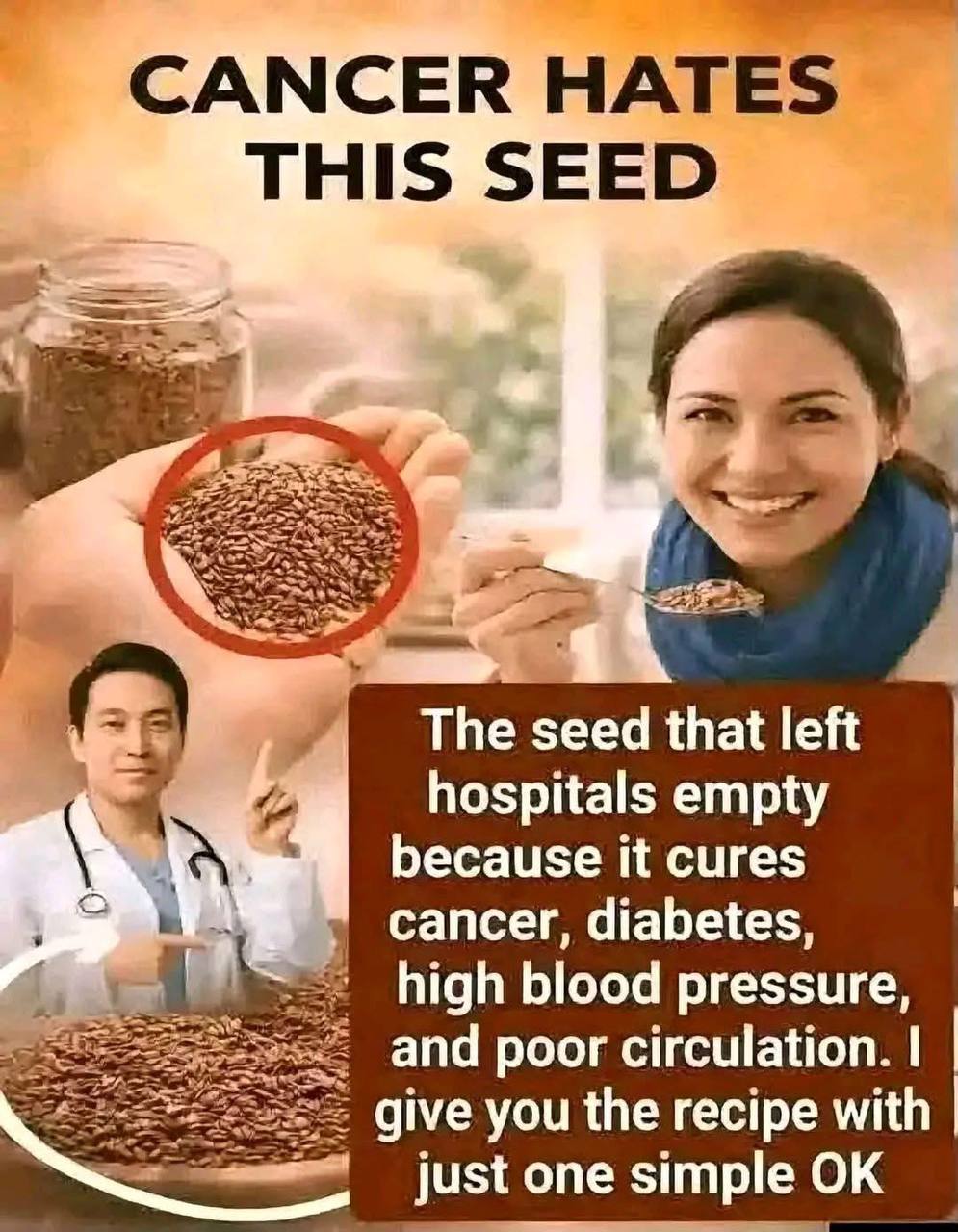
At the same time, social media frequently promotes certain seeds as powerful natural remedies. Some posts claim that one particular seed can cure cancer, diabetes, high blood pressure, poor circulation, and other serious conditions.
These claims should be approached carefully.
Although seeds can be nutritious and may contribute to a healthy eating pattern, there is no single seed that has been established as a cure for cancer or as a replacement for medical treatment. A healthy diet is important, but serious medical conditions require appropriate professional care.
This article explains the nutritional value of seeds, what is known about their potential health benefits, and why it is important to be cautious with exaggerated health claims.
What Are Seeds
Seeds are found in many plants and are naturally designed to contain nutrients that support the development of a new plant. Many edible seeds are also valuable foods for humans.
Common examples include flaxseeds, chia seeds, pumpkin seeds, sunflower seeds, sesame seeds, and other varieties.
Different seeds have different nutritional profiles. Some are particularly rich in healthy fats, while others provide more protein, fiber, or specific minerals.
Because of this variety, including different types of seeds in the diet can increase nutritional diversity.
Nutrients Found in Seeds
Many edible seeds contain several important nutrients.
Fiber
Fiber is an important part of a balanced diet. It supports normal digestive function and can help contribute to feelings of fullness.
Eating a variety of fiber rich foods, including vegetables, fruits, whole grains, beans, nuts, and seeds, can make it easier to reach a healthy overall fiber intake.
Healthy Fats
Some seeds contain unsaturated fats. These fats can be included as part of a balanced eating pattern.
Flaxseeds and chia seeds, for example, contain plant based omega 3 fatty acids. Other seeds provide different types of unsaturated fats.
The overall quality of the diet is more important than relying on one food.
Protein
Seeds can also contribute plant based protein. The amount varies depending on the type of seed.
Adding seeds to meals can therefore be one simple way to increase the nutritional variety of a diet.
Vitamins and Minerals
Seeds can provide minerals such as magnesium, zinc, iron, and phosphorus. Some also contain various vitamins and naturally occurring plant compounds.
The exact nutritional content depends on the type of seed and the amount consumed.
Seeds and Antioxidants
Many plant foods contain antioxidant compounds. Seeds are among the foods that can provide different naturally occurring plant compounds with antioxidant activity.
Antioxidants are involved in protecting cells from oxidative stress as part of normal biological processes.
However, this does not mean that a food containing antioxidants can cure a disease.
Health is influenced by many factors, including genetics, lifestyle, environment, physical activity, sleep, and overall dietary habits.
For this reason, it is better to think about antioxidant rich foods as part of a healthy diet rather than as miracle treatments.
Can Seeds Cure Cancer
One of the strongest claims sometimes made online is that a particular seed can cure cancer.
There is no reliable basis for presenting an ordinary food seed as a proven cure for cancer.
Cancer is a broad group of diseases with different causes, characteristics, and treatments. Depending on the type and stage, treatment may involve surgery, radiation therapy, chemotherapy, immunotherapy, targeted treatments, hormone therapy, or other approaches.
Nutrition can be important for maintaining overall health during cancer care, but eating a particular seed should not be considered a substitute for appropriate medical treatment.
Anyone diagnosed with cancer should discuss dietary choices and complementary products with their healthcare team.
Why Laboratory Research Can Be Misleading
Some health claims originate from laboratory research.
Scientists may study plant compounds in cells or experimental models to understand how they interact with biological processes. This research can be valuable and may contribute to future discoveries.
However, an effect observed in a laboratory does not automatically mean that eating the whole food will produce the same effect in humans.
The amount used in laboratory research may also be very different from the amount normally consumed in food.
Human clinical research is necessary before a food or compound can reasonably be described as an effective treatment for a disease.
Seeds and Blood Sugar
Some seeds contain fiber, protein, and healthy fats. These nutrients can contribute to meals that are more filling and nutritionally balanced.
A diet containing appropriate amounts of fiber and minimally processed foods can be useful for overall metabolic health.
However, this should not be confused with curing diabetes.
Diabetes is a medical condition that requires appropriate management. Depending on the individual and the type of diabetes, management may involve nutrition, physical activity, monitoring, medication, insulin, or a combination of approaches.
People who take diabetes medication should not stop or change their treatment because of information found on social media.
Seeds and Blood Pressure
Some seeds provide minerals and unsaturated fats that can fit into a heart healthy dietary pattern.
A balanced diet that includes vegetables, fruits, whole grains, legumes, nuts, and seeds can support general cardiovascular health.
Nevertheless, eating a particular seed does not guarantee normal blood pressure.
High blood pressure can sometimes exist without noticeable symptoms, which is why regular monitoring can be important.
People who have been diagnosed with hypertension should follow the advice of their healthcare professional.
Seeds and Circulation
The term poor circulation can refer to different symptoms and medical conditions.
Problems affecting blood vessels, the heart, blood sugar regulation, smoking, inactivity, and other factors can influence circulation.
Because there are many possible causes, it is not appropriate to assume that eating one type of seed will solve the problem.
Persistent swelling, unusual pain, numbness, changes in skin color, or other unexplained symptoms should be discussed with a healthcare professional.
How to Add Seeds to Your Diet
Seeds are easy to incorporate into everyday meals.
You can add them to oatmeal, yogurt, salads, smoothies, soups, homemade bread, rice dishes, or vegetable meals.
For example, a small amount of chia or flaxseed can be mixed into breakfast foods. Pumpkin or sunflower seeds can be added to salads or eaten as part of a snack.
The purpose should be to improve dietary variety and nutritional quality rather than to use seeds as a replacement for medical treatment.
Choosing Seeds Carefully
When buying seeds, it is useful to look at the ingredient and nutrition information.
Some packaged seed products contain significant amounts of added salt, sugar, or other ingredients.
Choosing plain or minimally processed seeds can make it easier to control the overall composition of your diet.
It is also important to store seeds properly, particularly varieties containing higher amounts of natural oils. Following the storage instructions on the package can help maintain quality.
Portion Size Is Important
Seeds can be nutritious, but they can also be relatively energy dense.
Eating reasonable portions can help maintain dietary balance. The appropriate amount depends on the individual’s overall diet, nutritional needs, and health goals.
A healthy eating pattern does not require very large amounts of any single food.
Variety is generally more useful than excessive consumption of one ingredient.
Why Viral Health Claims Can Be Misleading
Online health posts often use dramatic phrases such as “miracle cure,” “doctors do not want you to know,” or “hospitals will be empty.”
These phrases can attract attention, but they do not provide scientific evidence.
Images showing a doctor, a laboratory, or a supposed before and after result also do not automatically prove that a health claim is true.
Before accepting a medical claim, it is better to look for information from qualified healthcare professionals and reliable medical or scientific sources.
A Healthy Diet Is About the Whole Pattern
There is no need to search for one miraculous ingredient.
A balanced eating pattern can include a wide variety of foods. Vegetables and fruits provide important nutrients and fiber. Whole grains provide carbohydrates and fiber. Beans and lentils provide protein and other nutrients. Nuts and seeds can provide healthy fats, protein, fiber, and minerals.
Fish, eggs, dairy products, poultry, or suitable plant based alternatives can also contribute to a varied diet.
The combination of these foods is more meaningful for general nutrition than focusing on one particular seed.
Lifestyle Habits Also Matter
Nutrition is only one part of maintaining good health.
Regular physical activity, adequate sleep, avoiding tobacco, maintaining a healthy body weight when appropriate, and limiting excessive alcohol consumption can all be relevant to long term health.
Regular medical checkups can also help identify certain health problems early.
These habits cannot guarantee that a person will never develop a disease, but they can contribute to a healthier lifestyle.
When to Talk to a Healthcare Professional
If you have persistent symptoms or concerns about your health, it is important to seek professional advice.
People who have unexplained changes in their health should avoid relying exclusively on social media remedies.
This is especially important for conditions such as cancer, diabetes, high blood pressure, and cardiovascular disease, where early evaluation and appropriate treatment can be important.
If you are already taking medication, speak with a doctor or pharmacist before making significant changes to your treatment or adding concentrated supplements.
Seeds and Supplements Are Not the Same
Another important distinction is between eating seeds as food and taking concentrated supplements.
A normal food portion contains a mixture of nutrients and compounds in naturally occurring amounts. Supplements may contain concentrated quantities of particular substances.
Concentrated products can sometimes interact with medications or cause unwanted effects.
For this reason, people should not assume that a supplement is automatically safe simply because the original plant is commonly eaten as food.
Final Thoughts
Seeds can be an excellent addition to a balanced diet. Depending on the variety, they can provide fiber, protein, unsaturated fats, minerals, and other naturally occurring plant compounds.
However, the claim that one particular seed can cure cancer, diabetes, high blood pressure, or poor circulation is not supported by sufficient evidence.
There is no single food that can replace appropriate medical diagnosis and treatment for serious diseases.
The most sensible approach is to enjoy nutritious foods such as seeds as part of a varied diet while maintaining healthy lifestyle habits and seeking professional medical advice when necessary.
A food does not have to be a miracle cure to be valuable. Seeds can contribute useful nutrients to everyday meals without making unsupported medical promises.
Important Disclaimer
This article is provided for general educational and informational purposes only. It is not intended to diagnose, treat, prevent, or cure cancer, diabetes, high blood pressure, circulation problems, or any other medical condition.
Do not stop prescribed medication or replace professional medical treatment with a food, drink, supplement, or home remedy. If you have a medical condition or persistent symptoms, consult a qualified healthcare professional for personalized advice.