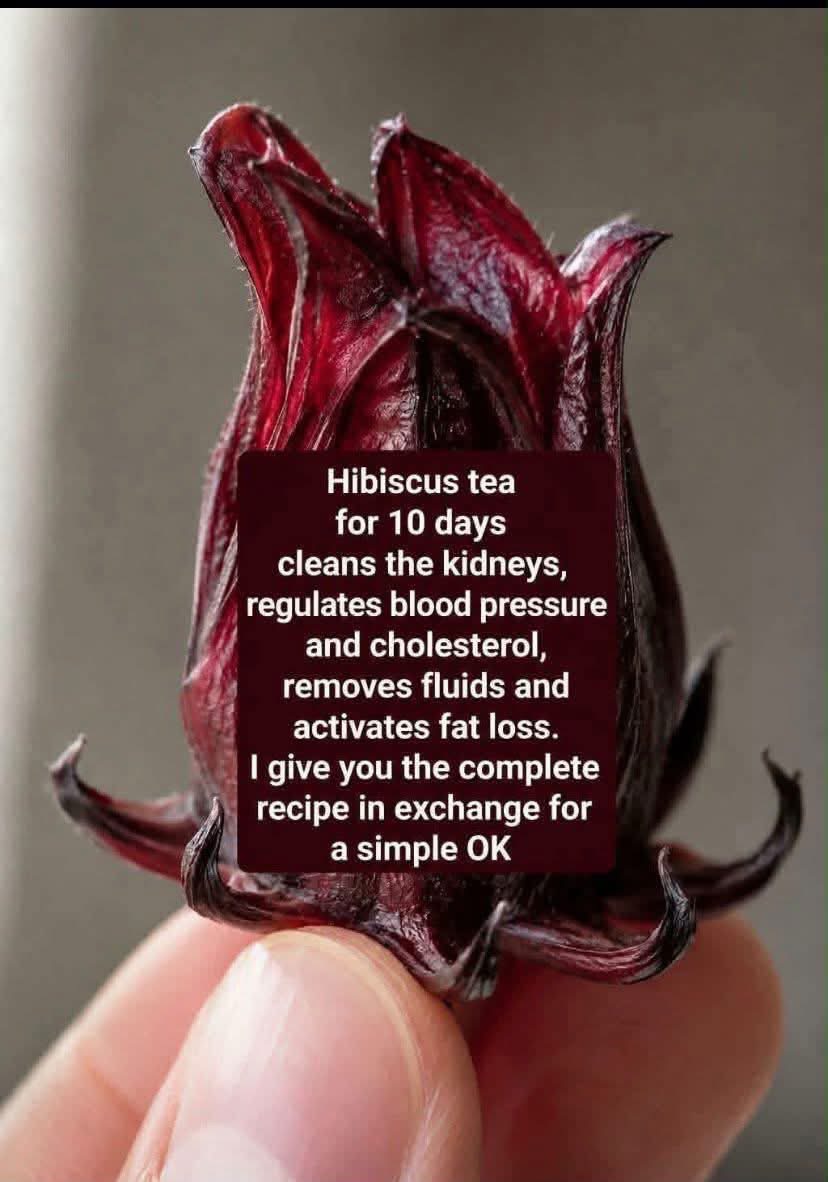
Hibiscus tea is a colorful herbal drink made from dried hibiscus flowers. It has a naturally deep red color and a pleasantly tart flavor, which makes it popular both hot and cold.
Many people enjoy hibiscus tea as part of their daily beverage routine. It can be prepared with only a few ingredients and served plain or with a small amount of lemon or natural sweetener.
Although hibiscus tea is often discussed online in connection with blood pressure, cholesterol, weight management, and kidney health, it is important not to treat a homemade tea as a medical treatment. Individual responses can vary, and drinking hibiscus tea cannot guarantee specific health results.
What Is Hibiscus Tea
Hibiscus tea is made by steeping dried hibiscus flowers in hot water.
The resulting drink has a bright red or ruby color and a naturally sour flavor. Because of its refreshing taste, hibiscus tea can be enjoyed either warm or chilled.
It can be prepared without caffeine when made from hibiscus flowers alone, making it an alternative to traditional caffeinated beverages.
Ingredients
For a simple cup of hibiscus tea, you need:
- 1 to 2 teaspoons of dried hibiscus flowers
- 1 cup of hot water
- A small amount of honey or another sweetener, if desired
- Lemon or orange slices, optional
For a larger batch, simply increase the amount of hibiscus flowers and water while keeping the flavor to your preference.
How to Make Hibiscus Tea
Step One Boil the Water
Heat fresh water until it is hot.
There is no need to boil the hibiscus flowers aggressively. Hot water is sufficient for extracting their color and flavor.
Step Two Add the Hibiscus Flowers
Place the dried hibiscus flowers into a cup or teapot.
Pour the hot water over them.
Step Three Let It Steep
Allow the flowers to steep for approximately 5 to 10 minutes.
The longer the tea steeps, the stronger and more tart the flavor may become.
You can adjust the steeping time according to your preference.
Step Four Strain the Tea
Pour the tea through a fine strainer to remove the hibiscus flowers.
The liquid should have a deep red color.
Step Five Add Flavor
You can drink hibiscus tea plain or add a small amount of honey if you prefer a sweeter taste.
A slice of lemon or orange can also add a refreshing citrus flavor.
Allow the tea to cool before adding ingredients that you do not want exposed to very high temperatures.
How to Make Iced Hibiscus Tea
Hibiscus tea is particularly refreshing when served cold.
Prepare the tea using the same method and allow it to cool.
Place ice cubes in a glass and pour the cooled tea over them.
Add lemon slices, orange slices, or fresh mint if desired.
You can also prepare a larger batch and keep it refrigerated for short-term use.
Hibiscus Tea and Hydration
Hibiscus tea can contribute to your daily fluid intake.
Staying adequately hydrated is important for normal body functions.
However, hibiscus tea should not be described as a special drink that “cleanses” or detoxifies the kidneys.
The kidneys naturally filter waste products from the blood and help regulate fluid balance.
There is no need to rely on a specific tea to perform a special cleansing process.
Hibiscus Tea and Blood Pressure
Hibiscus tea is sometimes discussed in relation to blood pressure.
Some research has investigated hibiscus preparations and blood pressure, but this does not mean that hibiscus tea should replace prescribed medication or professional medical care.
People taking medication for blood pressure should be particularly careful because combining herbal products with medications may not be appropriate for everyone.
If you have high blood pressure, speak with your healthcare professional before using hibiscus tea regularly for this purpose.
Hibiscus Tea and Cholesterol
Hibiscus is also frequently promoted online as a natural way to lower cholesterol.
However, drinking hibiscus tea should not be presented as a guaranteed method for controlling cholesterol levels.
Cholesterol management can depend on diet, physical activity, genetics, medications, and other factors.
If you have been diagnosed with high cholesterol, follow the treatment and lifestyle recommendations provided by your healthcare professional.
Can Hibiscus Tea Help With Weight Loss
Hibiscus tea is sometimes included in weight-loss recipes because it is naturally low in calories when consumed without sugar.
Replacing a high-calorie sugary beverage with unsweetened hibiscus tea can be one small dietary change.
However, hibiscus tea should not be described as a fat-burning drink or a guaranteed way to lose weight.
Healthy weight management generally involves overall eating habits, physical activity, sleep, and other lifestyle factors.
There is no reliable reason to promise that drinking hibiscus tea for 10 days will produce a specific amount of weight loss.
Does Hibiscus Tea Remove Excess Fluid
Hibiscus is sometimes described as a natural diuretic in online wellness content.
However, deliberately trying to remove body fluids through herbal drinks is not an appropriate substitute for medical care.
Changes in fluid balance can have different causes.
If you experience persistent swelling, unusual weight changes, or other symptoms related to fluid retention, it is better to discuss them with a healthcare professional rather than relying on herbal tea.
Can You Drink Hibiscus Tea Every Day
Whether daily hibiscus tea is appropriate depends on the individual.
For many people, an occasional cup can simply be enjoyed as a beverage.
However, people taking medications or managing health conditions should check with a healthcare professional before making hibiscus tea a regular part of their routine.
It is also worth remembering that adding large amounts of sugar can significantly increase the calorie content of the drink.
Who Should Be Careful With Hibiscus Tea
Herbal products are not automatically suitable for everyone.
Extra caution may be appropriate for people who:
- Take prescription medications
- Have low blood pressure
- Are pregnant or breastfeeding
- Have a medical condition requiring regular treatment
- Have experienced allergies to herbal products
If you are unsure whether hibiscus tea is appropriate for you, ask a qualified healthcare professional.
Avoid Making Strong Health Promises
When sharing a hibiscus tea recipe online, it is better to avoid statements such as:
“Detoxes the kidneys in 10 days.”
“Burns fat naturally.”
“Regulates cholesterol.”
“Removes all excess water.”
“Replaces blood pressure medication.”
These statements can create unrealistic expectations and may be inappropriate for health-related content.
A safer approach is to describe hibiscus tea as a flavorful herbal beverage and clearly explain that individual results vary.
Simple Hibiscus Tea Variations
There are several ways to change the flavor without making the recipe complicated.
Hibiscus and Lemon
Add a slice of fresh lemon to cooled hibiscus tea.
The citrus flavor complements the naturally tart taste of hibiscus.
Hibiscus and Mint
Add a few fresh mint leaves when serving the tea cold.
This creates a light and refreshing drink for warm weather.
Hibiscus and Orange
Add a few slices of orange or a small amount of fresh orange juice.
This gives the drink a sweeter citrus aroma.
Unsweetened Hibiscus Tea
For the simplest option, drink the tea without adding sugar or honey.
This keeps the beverage very low in calories.
How to Store Hibiscus Tea
If you prepare more than one serving, place the cooled tea in a clean, covered container and refrigerate it.
Avoid leaving prepared tea at room temperature for extended periods.
Before drinking stored tea, check its smell, appearance, and taste. If anything seems unusual, discard it.
Preparing smaller amounts can help maintain freshness.
A Simple 10 Day Beverage Routine
If you enjoy hibiscus tea, you can include it in a simple beverage routine for several days.
The goal should be to enjoy the drink rather than expecting a specific medical or weight-loss result.
For example, you could replace one sugary beverage with unsweetened hibiscus tea.
You can also alternate between hibiscus tea, plain water, and other suitable beverages.
Drinking a variety of fluids can make it easier to maintain enjoyable and balanced hydration habits.
Frequently Asked Questions
Does Hibiscus Tea Clean the Kidneys?
Hibiscus tea should not be described as a kidney cleansing treatment. Your kidneys naturally filter waste from your blood and regulate fluid balance.
Can Hibiscus Tea Burn Fat?
There is no reason to promise that hibiscus tea will directly burn body fat. Unsweetened tea can be a low-calorie beverage choice, but sustainable weight management requires a broader approach.
Can I Drink Hibiscus Tea for 10 Days?
You can enjoy hibiscus tea as a beverage, but there is no guaranteed health transformation that occurs after exactly 10 days.
Can Hibiscus Tea Replace Medication?
No. Herbal tea should not replace prescribed medication without professional medical guidance.
Can I Drink It Cold?
Yes. Hibiscus tea can be served hot or chilled with ice.
Does Hibiscus Tea Contain Caffeine?
Pure hibiscus flower tea is naturally caffeine-free. However, packaged blends may contain other ingredients, so check the product label if caffeine is important to you.
Final Thoughts
Hibiscus tea is a simple and refreshing herbal beverage with a naturally vibrant color and pleasantly tart flavor. It can be enjoyed hot or cold and customized with lemon, orange, mint, or a small amount of sweetener.
Although hibiscus is often promoted online for kidney cleansing, blood pressure, cholesterol control, fluid removal, and fat loss, these claims should not be presented as guaranteed results.
A homemade herbal tea is not a substitute for medical treatment, prescribed medication, or professional advice.
If you enjoy hibiscus tea, the simplest approach is to treat it as one enjoyable beverage within a balanced lifestyle. Choose an appropriate preparation, avoid excessive sweeteners, and pay attention to how your body responds.
Disclaimer: This article is provided for general informational and educational purposes only. It is not intended to diagnose, treat, cure, or prevent any disease or medical condition. Hibiscus tea should not replace prescribed medication or professional medical advice. If you have a medical condition, take medication, or are pregnant or breastfeeding, consult a qualified healthcare professional before using hibiscus tea regularly.