Cataracts are a common eye condition that can gradually affect vision. They develop when the normally clear lens inside the eye becomes cloudy. Over time, this cloudiness can make everyday activities such as reading, driving, or recognizing faces more difficult.
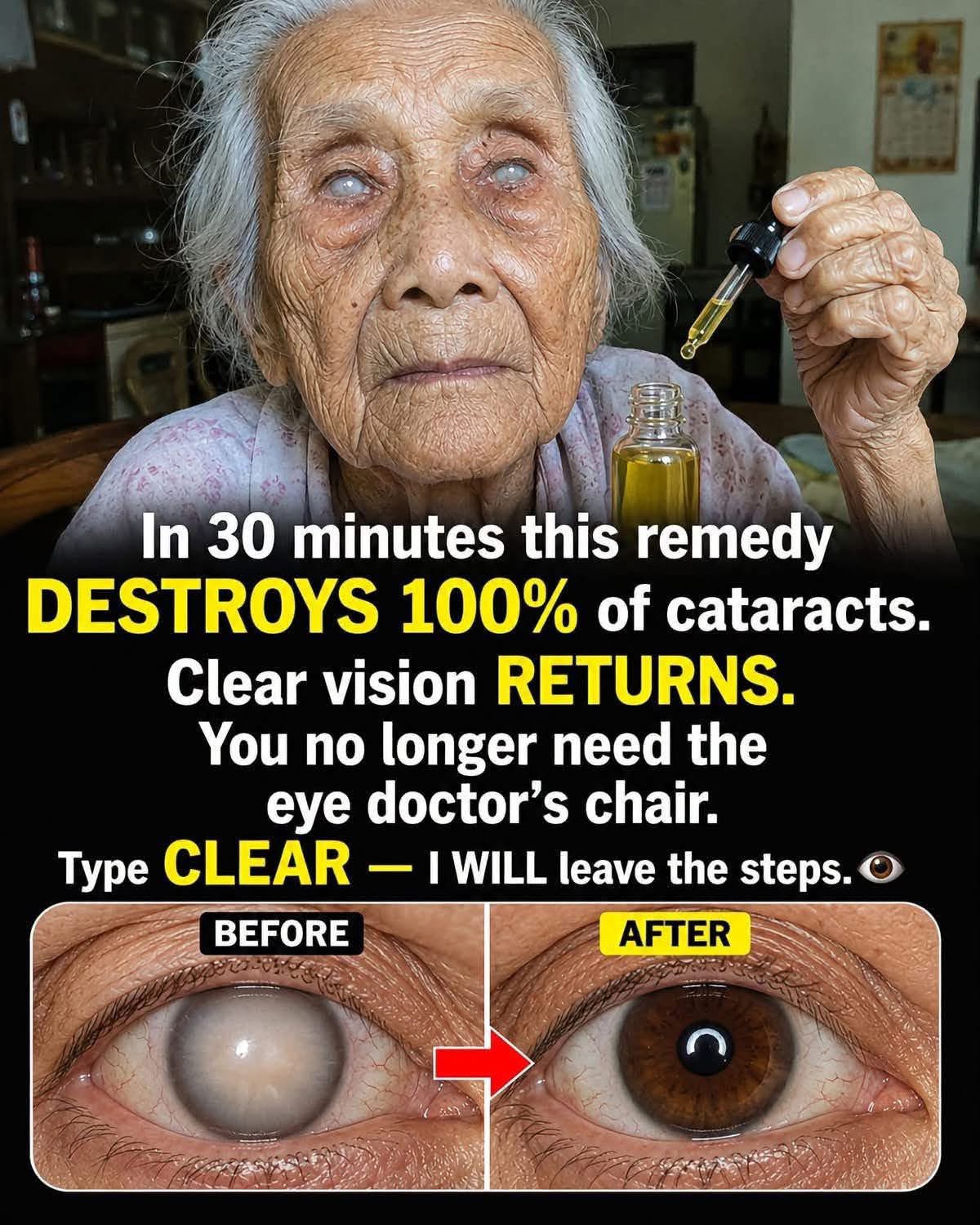
You may see social media posts claiming that a homemade oil, herbal mixture, or natural remedy can remove cataracts in minutes. These claims should be treated carefully. There is no reliable basis for claiming that a homemade remedy can destroy cataracts in 30 minutes or restore clear vision instantly.
Fortunately, there are several safe and practical ways to support overall eye health and recognize when professional eye care is needed.
What Are Cataracts
A cataract occurs when the lens of the eye becomes cloudy.
The lens normally helps focus light onto the retina, allowing us to see clearly. When it becomes cloudy, light does not pass through normally, and vision may become blurred or hazy.
Cataracts commonly develop gradually, particularly with increasing age.
They can affect one eye or both eyes, and the symptoms may become more noticeable over time.
Common Symptoms of Cataracts
Cataracts can cause several changes in vision.
Common symptoms may include:
- Blurred or cloudy vision
- Difficulty seeing at night
- Increased sensitivity to bright lights
- Halos around lights
- Colors appearing less bright
- Frequent changes in eyeglass prescriptions
- Difficulty reading or seeing details clearly
- Reduced contrast and visual sharpness
These symptoms can also occur with other eye conditions, so experiencing them does not automatically mean that someone has cataracts.
An eye examination is the appropriate way to determine the cause.
Can Homemade Remedies Remove Cataracts
There is an important difference between supporting general eye health and treating an existing eye condition.
A homemade mixture should not be presented as a cure for cataracts.
Applying oils, herbal extracts, lemon juice, or other homemade substances directly into the eyes can potentially cause irritation, allergic reactions, infection, or other eye problems.
The eye is particularly sensitive, so products that have not been specifically designed and tested for ophthalmic use should not be placed inside the eye.
This is especially important when a social media post promises dramatic results within minutes or days.
Why You Should Be Careful With Eye Remedies
The image associated with this type of claim often shows a cloudy eye changing into a completely clear eye.
Such before-and-after images do not establish that a particular homemade preparation caused the change.
Images can be edited, taken under different lighting conditions, or show completely different situations.
A person’s eye condition cannot be accurately diagnosed from a photograph alone.
For this reason, it is safer to avoid presenting dramatic before-and-after images as proof of a medical treatment.
Safe Ways to Support Eye Health
Although lifestyle habits cannot be promoted as a way to instantly remove cataracts, they can form part of a healthy approach to eye care.
Eat a Balanced Diet
A varied diet containing vegetables, fruits, whole grains, legumes, nuts, fish, and other nutritious foods can contribute to overall health.
Leafy green vegetables and colorful fruits and vegetables provide a variety of nutrients that are important as part of a balanced diet.
Rather than relying on one particular food, focus on overall dietary variety.
Protect Your Eyes From Excessive Sun Exposure
When spending time outdoors, consider wearing sunglasses that provide appropriate ultraviolet protection.
A wide-brimmed hat can also help reduce direct exposure to sunlight.
Eye protection is particularly useful during prolonged outdoor activities.
Avoid Smoking
Smoking is associated with several health problems, including eye-related conditions.
If you smoke, quitting can provide important health benefits.
People who need help stopping smoking can speak with a healthcare professional about appropriate support.
Manage Existing Health Conditions
Some health conditions can affect eye health.
Keeping conditions such as diabetes appropriately managed and attending recommended medical appointments can be an important part of protecting vision.
If you have a chronic health condition, follow the treatment plan recommended by your healthcare professional.
Have Regular Eye Examinations
Regular eye examinations can help identify changes in vision and detect certain eye conditions.
An eye professional can examine the lens and other structures of the eye and determine whether cataracts or another condition may be affecting vision.
When Should You See an Eye Professional
If your vision is becoming increasingly cloudy or blurry, schedule an eye examination.
You should also seek professional advice if you notice:
- A significant change in vision
- Difficulty seeing at night
- Increasing sensitivity to light
- Problems reading or driving
- New visual disturbances
- Persistent eye discomfort
- Sudden changes in vision
Sudden vision changes should receive prompt medical attention because they can have causes other than cataracts.
How Cataracts Are Normally Managed
Early cataracts may not interfere significantly with everyday activities.
In these situations, an eye professional may recommend monitoring the condition and making adjustments such as updating glasses or improving lighting.
When cataracts become advanced enough to interfere substantially with daily activities, an eye specialist may discuss cataract surgery.
Cataract surgery is a medical procedure performed by qualified eye-care professionals. It involves removing the cloudy natural lens and replacing it with an artificial lens.
The appropriate treatment depends on the individual and should be discussed with an eye specialist.
Why Professional Diagnosis Matters
Blurred vision does not always mean cataracts.
Other conditions can cause similar symptoms, including changes affecting the retina, cornea, optic nerve, or other parts of the visual system.
This is why self-diagnosis can be unreliable.
An eye examination allows a professional to determine what is actually causing the vision problem and whether treatment is necessary.
Be Careful With Viral Health Claims
Health-related posts on social media often use phrases such as:
“Works in 30 minutes.”
“Removes cataracts naturally.”
“Clear vision returns immediately.”
“You will never need an eye doctor again.”
These statements can be misleading when they are not supported by appropriate medical evidence.
A safer approach is to look for information from qualified healthcare professionals and reputable medical organizations.
A natural ingredient may be perfectly reasonable as a food, but that does not automatically make it safe or effective as an eye treatment.
Natural does not always mean risk-free.
Do Not Put Homemade Oils Into Your Eyes
One of the most important safety points is to avoid putting homemade preparations directly into the eyes.
Oils, extracts, juices, and herbal mixtures prepared in a kitchen environment are not sterile ophthalmic products.
Even ingredients that are safe to eat can be inappropriate for use inside the eye.
If an eye product is needed, use only products intended specifically for ophthalmic use and follow the instructions provided with the product or by a qualified professional.
A Simple Daily Eye Care Routine
A basic eye-care routine can be straightforward.
Start the day by maintaining good general hygiene.
If you use contact lenses, follow the recommended cleaning and replacement instructions.
Take appropriate breaks during prolonged screen use and adjust the screen position and lighting for comfort.
When outdoors for extended periods, consider appropriate UV-protective eyewear.
Maintain a balanced diet, stay physically active, and avoid smoking.
Most importantly, do not ignore persistent or worsening changes in vision.
Final Thoughts
Cataracts are a genuine eye condition, and they should not be treated with unverified homemade remedies.
Although social media images may claim that a particular oil or natural mixture can remove cataracts within minutes, such claims should not be presented as established medical facts.
The safest approach is to protect your eyes, maintain healthy lifestyle habits, have appropriate eye examinations, and seek professional advice when your vision changes.
Homemade ingredients can have interesting culinary and household uses, but that does not mean they are suitable for application inside the eye.
If you experience cloudy vision or other persistent visual changes, an eye-care professional can help determine the cause and explain the appropriate options.