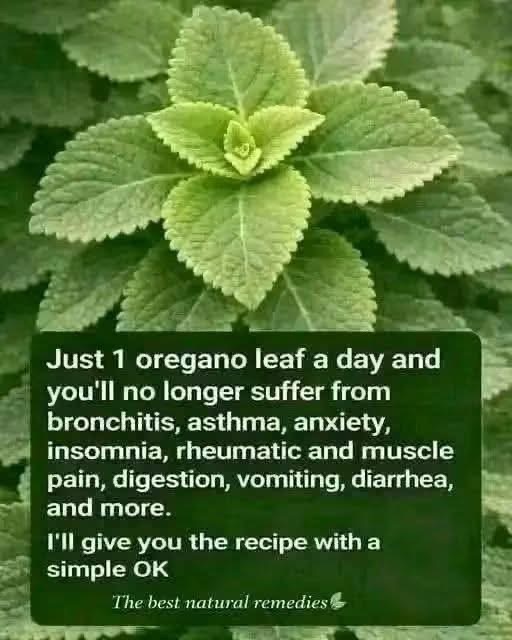
Oregano is a popular aromatic herb used in many cuisines around the world. Its leaves have a strong flavor and contain naturally occurring plant compounds that have been studied for their antioxidant and antimicrobial properties.
Social media posts sometimes claim that eating one oregano leaf every day can eliminate conditions such as bronchitis, asthma, anxiety, insomnia, digestive problems, vomiting, diarrhea, and muscle pain. These claims are not supported by sufficient evidence and should not be presented as guaranteed medical benefits.
Oregano can be part of a healthy diet, but it should not replace medical diagnosis or treatment. This article explains how oregano can be used safely in everyday cooking and explores its traditional uses without making unsupported health promises.
What Is Oregano
Oregano is a fragrant herb belonging to the mint family. It is commonly used fresh or dried to add flavor to sauces, vegetables, soups, meat, fish, and salads.
The leaves contain several naturally occurring compounds, including aromatic oils and polyphenols. Two compounds often associated with oregano are carvacrol and thymol.
The concentration of these compounds can vary depending on the oregano variety, growing conditions, harvesting method, and whether the herb is fresh or dried.
Nutritional Value of Oregano
Although oregano is normally consumed in small quantities, its leaves contain several nutrients and plant compounds.
Fresh oregano provides small amounts of:
- Vitamin K
- Vitamin E
- Calcium
- Iron
- Manganese
- Dietary fiber
- Various antioxidant compounds
Because oregano is generally used as a seasoning rather than eaten in large quantities, it should not be considered a major source of vitamins or minerals.
Its main practical benefit in cooking is that it can add strong flavor without requiring large amounts of salt, sugar, or heavy sauces.
Antioxidant Compounds in Oregano
Oregano contains plant compounds with antioxidant activity.
Antioxidants help protect cells from oxidative stress caused by reactive molecules. Many herbs and spices contain these compounds, which is one reason a varied diet rich in plant foods is encouraged.
However, antioxidant activity observed in laboratory studies does not automatically mean that eating oregano will prevent or cure a particular disease.
It is better to think of oregano as one nutritious plant ingredient among many rather than as a medicinal cure.
Oregano and Traditional Herbal Use
Oregano has a long history of traditional use.
Different cultures have used oregano preparations for digestive discomfort, coughs, and other minor complaints. Traditional use can provide interesting information about how plants have been used historically, but traditional practices are not automatically proof of medical effectiveness.
Modern research continues to investigate oregano and its components, but evidence varies depending on the specific preparation and health condition being studied.
For this reason, it is important to distinguish between traditional use and clinically proven treatment.
Can One Oregano Leaf Treat Bronchitis
The claim that eating one oregano leaf every day can eliminate bronchitis is not supported by reliable evidence.
Bronchitis involves inflammation of the bronchial tubes and can have different causes. Acute bronchitis is often associated with respiratory infections, while chronic bronchitis is a more serious long-term condition associated with chronic obstructive pulmonary disease.
Oregano may be consumed as part of food or a warm herbal preparation, but it should not be considered a treatment for bronchitis.
Anyone experiencing significant breathing difficulties, persistent coughing, chest pain, or other concerning symptoms should seek appropriate medical evaluation.
Oregano and Asthma
Asthma is a chronic respiratory condition involving inflammation and narrowing of the airways.
There is no good basis for claiming that eating an oregano leaf can cure asthma or prevent asthma attacks.
People with asthma should follow the treatment plan provided by their healthcare professional and should not replace prescribed medication with oregano or another home remedy.
Oregano can still be used as a culinary herb, but its culinary use should be kept separate from asthma treatment.
Oregano and Digestion
Oregano has traditionally been used in some cultures as a digestive herb.
Adding oregano to meals may make food more flavorful, and herbs can be a useful part of a varied diet.
However, claims that one oregano leaf can prevent or cure vomiting, diarrhea, or other digestive disorders are too broad.
Vomiting and diarrhea can have many causes, including infections, food intolerance, medication effects, and other health conditions.
If these symptoms are severe, persistent, or accompanied by signs of dehydration, medical advice may be necessary.
Oregano and Anxiety
Some online posts describe oregano as a natural remedy for anxiety.
There is currently not enough evidence to conclude that eating a single oregano leaf every day can treat an anxiety disorder.
Anxiety can range from temporary stress to a significant mental health condition that affects daily life.
Healthy habits such as regular physical activity, adequate sleep, social support, and relaxation techniques can be helpful, but persistent anxiety may require professional support.
Oregano should be viewed as a food ingredient rather than a replacement for appropriate care.
Oregano and Sleep
The image also claims that oregano can eliminate insomnia.
There is not enough evidence to support the idea that eating one oregano leaf daily is an effective treatment for insomnia.
Sleep problems can result from stress, irregular schedules, medications, caffeine, medical conditions, or other factors.
Maintaining a consistent sleep schedule, reducing excessive caffeine late in the day, limiting stimulating activities before bedtime, and creating a comfortable sleeping environment can support better sleep.
If insomnia continues for an extended period, speaking with a healthcare professional can help identify the underlying cause.
Oregano and Muscle Discomfort
Oregano contains several plant compounds that have been investigated in laboratory research for various biological activities.
However, this does not establish that eating oregano will relieve muscle pain or rheumatic pain.
Muscle discomfort can result from exercise, injury, inflammation, dehydration, or numerous medical conditions.
Persistent or severe pain should be properly evaluated rather than treated exclusively with home remedies.
How to Use Fresh Oregano
Fresh oregano can easily be incorporated into everyday meals.
Wash the leaves thoroughly before using them.
You can then add fresh oregano to:
- Tomato sauces
- Vegetable dishes
- Soups
- Salads
- Grilled vegetables
- Beans
- Fish
- Chicken
- Homemade dressings
- Mediterranean-style meals
Fresh oregano has a stronger and more delicate flavor than dried oregano, so a small amount can be enough.
Simple Oregano Herbal Drink
If you enjoy the flavor of oregano, you can prepare a simple herbal infusion.
Ingredients
- A small handful of fresh oregano leaves
- One cup of hot water
- A slice of lemon, optional
- A small amount of honey, optional
Preparation
Wash the oregano leaves thoroughly.
Place the leaves in a cup.
Pour hot water over them.
Cover the cup and allow the leaves to steep for approximately five to ten minutes.
Strain the liquid before drinking.
You can add a small amount of lemon or honey for flavor if desired.
This can be enjoyed as a warm herbal beverage, but it should not be described as a treatment for asthma, bronchitis, anxiety, insomnia, or other medical conditions.
Fresh Oregano Versus Dried Oregano
Both fresh and dried oregano can be useful in cooking.
Fresh oregano has a softer texture and a bright herbal aroma.
Dried oregano has a more concentrated flavor and is convenient to store for long periods.
Because dried herbs contain less water, a smaller quantity is generally needed compared with fresh oregano when following a recipe.
The best choice depends on the dish and personal preference.
Oregano Oil Is Different From Oregano Leaves
It is important not to confuse oregano leaves with oregano essential oil.
Oregano essential oil is highly concentrated and contains much higher concentrations of aromatic compounds than ordinary culinary oregano.
Essential oils should not automatically be swallowed simply because the corresponding plant is safe as a food.
Using concentrated oregano oil internally or on the skin can carry risks, particularly when used improperly or in large amounts.
For everyday use, culinary oregano leaves are the simpler option.
Can You Eat Oregano Leaves Every Day
Oregano is commonly consumed in small amounts as a culinary herb.
There is no need to eat a specific number of leaves every day to obtain a supposed medicinal effect.
Instead, use oregano according to your taste and the requirements of your recipes.
A varied diet containing vegetables, fruits, whole grains, legumes, nuts, seeds, and appropriate sources of protein provides a much broader nutritional foundation than relying on one herb.
Important Safety Considerations
Although oregano is commonly used as food, concentrated oregano products are different from normal culinary quantities.
Some people may experience digestive discomfort or irritation when consuming concentrated herbal preparations.
People who are pregnant, breastfeeding, taking medications, preparing herbal products for children, or managing a medical condition should be particularly cautious with concentrated herbal supplements or essential oils.
If you have a known allergy to plants in the mint family, pay attention to any unusual reaction after consuming oregano.
Stop using a product and seek appropriate medical advice if you develop a significant allergic reaction or other concerning symptoms.
Oregano Is Not a Replacement for Medical Treatment
One of the most important points to remember is that natural does not automatically mean medicinal or risk-free.
An herb can be nutritious and useful in cooking while still being unsuitable as a treatment for a serious condition.
For example, asthma and chronic respiratory disease require appropriate medical management. Persistent diarrhea can cause dehydration. Severe anxiety and insomnia can significantly affect quality of life.
Using oregano in food is perfectly different from claiming that oregano can cure these conditions.
How to Include More Herbs in a Healthy Diet
Using herbs such as oregano can make healthy meals more enjoyable.
Instead of relying heavily on salt or highly processed sauces, you can experiment with oregano, basil, parsley, thyme, rosemary, garlic, lemon, and other flavorful ingredients.
For example, a simple vegetable dish can be prepared with olive oil, oregano, garlic, and lemon.
You can also sprinkle dried oregano over roasted vegetables or add fresh oregano to a tomato-based sauce.
These simple changes can make nutritious foods more flavorful and satisfying.
Simple Oregano and Lemon Dressing
Another easy way to use oregano is in a homemade salad dressing.
Ingredients
- Two tablespoons of olive oil
- One tablespoon of lemon juice
- Half a teaspoon of dried oregano
- A small amount of black pepper
- A small pinch of salt
Preparation
Combine all the ingredients in a small bowl or jar.
Mix or shake thoroughly.
Pour the dressing over a fresh salad containing vegetables such as tomatoes, cucumber, lettuce, carrots, or peppers.
This provides a flavorful alternative to many ready-made dressings.
How to Store Fresh Oregano
Fresh oregano should be kept clean and refrigerated.
One simple method is to wrap the leaves loosely in a slightly damp paper towel and place them inside a suitable container or bag.
Dried oregano should be kept in an airtight container away from direct sunlight, moisture, and excessive heat.
Over time, dried herbs gradually lose their aroma and flavor, so replacing older herbs can improve the quality of your meals.
Frequently Asked Questions
Does Eating One Oregano Leaf Cure Diseases?
No. There is no reliable evidence that eating one oregano leaf each day can cure bronchitis, asthma, anxiety, insomnia, diarrhea, or other diseases.
Is Oregano Healthy?
Oregano is a flavorful herb containing several nutrients and naturally occurring plant compounds. It can be a useful part of a balanced diet.
Can Oregano Help With Digestion?
Oregano has a history of traditional use for digestive complaints, but strong claims about treating digestive disorders should not be made without sufficient evidence.
Can Oregano Replace Asthma Medication?
No. People with asthma should follow their prescribed treatment plan and should not replace medication with oregano.
Can I Make Oregano Tea?
Yes. Fresh or dried oregano can be steeped in hot water to make a simple herbal infusion. It should be regarded as a beverage rather than a proven treatment for disease.
Is Oregano Oil the Same as Eating Oregano?
No. Oregano essential oil is much more concentrated than culinary oregano. It should not be treated as interchangeable with ordinary oregano leaves.
How Much Oregano Should I Eat?
There is no scientifically established requirement to eat a particular number of oregano leaves each day. Using it in normal culinary amounts is a practical way to include it in your diet.
Final Thoughts
Oregano is a versatile herb with a distinctive flavor and a variety of naturally occurring plant compounds. It can easily be included in sauces, salads, vegetables, soups, and other everyday meals.
The claims often shared online that one oregano leaf a day can eliminate bronchitis, asthma, anxiety, insomnia, rheumatic pain, vomiting, diarrhea, or other health problems are not established medical facts.
The safest and most accurate way to present oregano is as a nutritious culinary herb with interesting traditional uses and compounds that researchers continue to study.
Enjoy oregano as part of a varied and balanced diet, but do not rely on it as a substitute for professional medical care when symptoms are persistent, severe, or concerning.