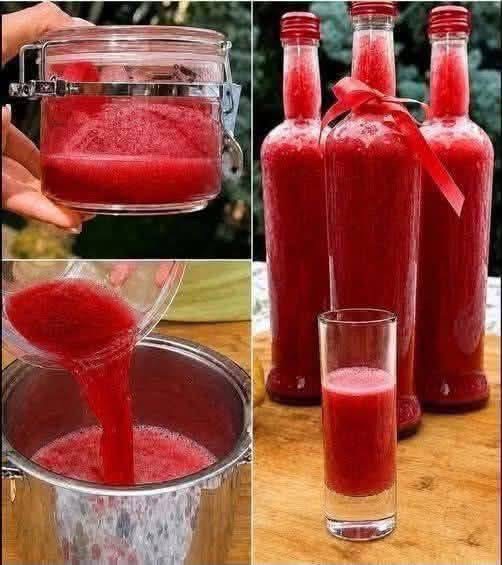
Homemade beetroot juice is a colorful and refreshing drink that can be prepared with simple ingredients. Its deep red color comes from natural pigments found in beetroot, and its earthy flavor can be balanced with fruits, citrus, or other fresh ingredients.
Beetroot is naturally rich in several nutrients and plant compounds. It can be enjoyed as part of a varied and balanced diet, whether eaten whole or prepared as a drink.
Online posts sometimes describe beetroot juice as a miracle drink that can cleanse the body, cure diseases, or provide dramatic health results. Those claims should be treated carefully. Beetroot juice can be a nutritious beverage, but it should not be considered a treatment or cure for a medical condition.
This article explains how to prepare homemade beetroot juice, how to store it safely, and what you should realistically know about its nutritional value.
What Is Beetroot Juice
Beetroot juice is made by extracting or blending the juice from fresh beetroot. Depending on the recipe, it can be prepared using a juicer or blender.
The flavor of beetroot is naturally earthy and slightly sweet. Some people enjoy it on its own, while others prefer to combine it with apples, carrots, cucumber, lemon, ginger, or other ingredients.
Homemade juice gives you control over what goes into the drink. You can avoid unnecessary additives and adjust the flavor according to your preferences.
Nutritional Value of Beetroot
Beetroot contains several nutrients and naturally occurring plant compounds.
It provides nutrients such as folate and potassium and also contains naturally occurring nitrates and betalains.
Betalains are plant pigments responsible for much of beetroot’s characteristic red color.
Beetroot also provides dietary fiber when eaten whole. However, much of that fiber may be removed during traditional juicing.
For this reason, whole beetroot can be an important part of a balanced diet even if you also enjoy beetroot juice.
A Simple Homemade Beetroot Juice Recipe
You can prepare a basic beetroot drink using just a few ingredients.
Ingredients
- 2 medium fresh beetroots
- 1 apple
- 1 small piece of fresh ginger
- Half a lemon
- 1 cup of water if using a blender
The ingredients can be adjusted according to taste.
If you prefer a sweeter drink, a naturally sweet apple can help balance the earthy flavor of the beetroot.
How to Prepare the Beetroot
Wash the beetroot thoroughly under running water.
Remove the leaves and trim the ends.
Peel the beetroot if desired. The skin can sometimes be left on when the vegetable has been washed thoroughly, but peeling can produce a smoother drink.
Cut the beetroot into small pieces.
Smaller pieces are easier to process in a blender and can also make juicing more efficient.
How to Make the Juice With a Blender
Place the beetroot pieces into a blender.
Add the chopped apple and a small piece of peeled ginger.
Pour in approximately one cup of water.
Blend until the mixture becomes smooth.
If the mixture is too thick, add a little more water.
Once blended, you can strain the mixture through a clean fine mesh strainer if you prefer a smoother drink.
Add fresh lemon juice according to taste.
Serve immediately or refrigerate promptly.
How to Make It With a Juicer
If you have a juicer, the preparation is even simpler.
Wash the beetroot, apple, ginger, and lemon.
Cut the ingredients into pieces that fit comfortably into your juicer.
Process the beetroot, apple, and ginger according to the manufacturer’s instructions.
Add fresh lemon juice after juicing.
Mix the drink gently and serve fresh.
Always follow the safety and cleaning instructions supplied with your juicer.
Beetroot and Carrot Juice
Carrots are a popular addition to beetroot juice because they provide natural sweetness and a complementary flavor.
For a simple combination, use beetroot and carrots together with a small amount of ginger.
Wash and prepare the vegetables before blending or juicing.
If using a blender, add enough water to create the consistency you prefer.
A small amount of lemon can provide additional freshness.
This is simply a nutritious fruit and vegetable beverage and should not be considered a treatment for a medical condition.
Beetroot and Apple Juice
Apple can make beetroot juice easier to enjoy for people who find the earthy flavor too strong.
Use one or two apples with fresh beetroot and blend or juice the ingredients together.
The sweetness will depend on the type and ripeness of the apples.
Because fruit contains naturally occurring sugars, it is still useful to consider portion size when preparing fruit and vegetable juices.
Beetroot and Ginger Drink
Ginger provides a warm and slightly spicy flavor that works well with beetroot.
Add a small piece of fresh ginger to the beetroot mixture.
The amount can be adjusted according to taste because ginger has a strong flavor.
If you are not accustomed to ginger, start with a small quantity.
There is no need to use large amounts to make the drink more beneficial.
Adding Lemon
Fresh lemon juice can brighten the flavor of beetroot juice and reduce some of its earthy taste.
Add lemon gradually and taste the drink as you go.
Some people may find acidic drinks uncomfortable, particularly if they are sensitive to acidic foods or beverages.
If lemon causes discomfort, simply leave it out.
Can Beetroot Juice Be Stored
Fresh homemade juice is generally best consumed soon after preparation.
If you do not drink it immediately, place it in a clean, covered container and refrigerate it promptly.
Avoid leaving fresh juice at room temperature for extended periods.
Because homemade juice does not contain the same preservation systems as many commercially produced beverages, it should be handled carefully.
When in doubt about whether stored juice is still suitable to drink, it is safer to discard it.
Why Beetroot Juice Is So Red
The strong red or purple color of beetroot comes from naturally occurring pigments called betalains.
These pigments can be quite noticeable.
After consuming beetroot, some people may also notice temporary reddish or pink coloration in urine or stool.
This can occur because of beetroot pigments.
However, red urine or stool can have other causes, including bleeding. If you notice unexplained or persistent blood or are unsure about the cause, seek medical advice rather than assuming it is from food.
Beetroot and Physical Activity
Beetroot has attracted interest among physically active people because it naturally contains dietary nitrates.
Nitrates can participate in pathways involving nitric oxide, which plays a role in blood vessel function.
Research has examined whether nitrate rich foods such as beetroot may influence aspects of exercise performance.
Results can vary between individuals and types of exercise.
Therefore, beetroot juice can be considered a food or beverage that some active people enjoy, but it should not be described as a guaranteed performance enhancer or medical treatment.
Beetroot and Blood Pressure
The naturally occurring nitrates in beetroot have been studied in relation to blood pressure.
Some research suggests that nitrate rich foods may influence blood vessel function and blood pressure in certain circumstances.
However, this does not mean that beetroot juice can replace prescribed blood pressure treatment.
Anyone with high blood pressure should continue to follow the recommendations of their healthcare professional.
If you take medication, do not change your dose or stop treatment because of a homemade juice recipe.
Beetroot and Digestive Health
Whole beetroot contains fiber, which is useful as part of a balanced diet.
Dietary fiber can be obtained from vegetables, fruits, legumes, whole grains, nuts, and seeds.
Juicing removes much of the fiber, depending on the method used.
If increasing fiber intake is your goal, eating whole beetroot may therefore be more useful than relying exclusively on juice.
A varied diet is generally more beneficial than focusing on one food.
Can Beetroot Juice Detox the Body
The word “detox” is frequently used in online health content.
The human body already has organs and biological systems that process and eliminate waste products.
There is no need to rely on a special juice to “flush toxins” from the body.
Beetroot juice can contribute fluids and nutrients, but it should not be described as a special detox treatment.
A balanced diet, adequate hydration, physical activity, and appropriate medical care are more sensible approaches to supporting general health.
Can Beetroot Juice Cure Diseases
Beetroot is a nutritious food, but it should not be promoted as a cure for cancer, diabetes, liver disease, kidney disease, infections, or other serious medical conditions.
Some plant compounds are studied in scientific research, but laboratory findings do not automatically mean that consuming the whole food will treat a disease.
Medical conditions have different causes and require appropriate evaluation.
If you have a diagnosed condition, use beetroot as part of your normal diet if it is appropriate for you, rather than as a substitute for medical treatment.
Who Should Be Careful With Beetroot
Many people can enjoy beetroot as part of their diet.
However, individual nutritional needs differ.
People who have been advised to follow a specific diet because of kidney disease or another medical condition should discuss their food choices with their healthcare professional.
Anyone with food allergies or dietary restrictions should also check the ingredients used in homemade recipes.
Large dietary changes are best discussed with a qualified professional when a medical condition is involved.
Tips for Better Homemade Juice
Use fresh ingredients whenever possible.
Wash vegetables and fruit thoroughly before preparation.
Start with small quantities of strongly flavored ingredients such as ginger.
Adjust the water according to the desired consistency.
Drink the juice soon after preparation or refrigerate it promptly.
Use clean equipment and containers.
Do not rely on the drink as a replacement for medical treatment.
These simple steps can make homemade juice more enjoyable while keeping expectations realistic.
Whole Beetroot or Beetroot Juice
Both forms can have a place in a balanced diet.
Whole beetroot provides fiber and can be incorporated into meals such as salads, roasted vegetable dishes, soups, and grain bowls.
Juice provides a convenient way to consume beetroot in liquid form.
However, juice is easier to consume quickly and usually contains less fiber than the whole vegetable.
For everyday nutrition, including whole vegetables regularly is a useful habit.
Juice can simply be an additional option for people who enjoy it.
A Balanced Way to Enjoy Beetroot Juice
Instead of thinking of beetroot juice as a miracle drink, consider it one component of a healthy lifestyle.
A varied diet can include vegetables, fruits, legumes, whole grains, nuts, seeds, and suitable sources of protein.
Regular physical activity, adequate sleep, avoiding tobacco, and maintaining appropriate medical care are also important for long term health.
No single beverage can provide everything the body needs.
Final Thoughts
Homemade beetroot juice is an easy and colorful beverage that can be prepared with fresh beetroot, fruit, ginger, lemon, and water.
Beetroot contains several nutrients and naturally occurring plant compounds, including dietary nitrates and betalains. These characteristics have made beetroot the subject of nutritional and scientific research.
However, it is important to distinguish potential nutritional benefits from exaggerated medical claims.
Beetroot juice should not be described as a cure for cancer, diabetes, liver disease, kidney disease, infections, or other serious conditions. It also should not be used to replace prescribed medication or professional medical care.
If you enjoy beetroot juice, prepare it with fresh ingredients, consume it responsibly, and include it as part of a varied and balanced diet.
The healthiest approach is not to search for a miracle drink, but to build consistent habits around nutritious food, appropriate hydration, physical activity, and professional healthcare when needed.
Important Disclaimer
This article is provided for general educational and informational purposes only. It is not intended to diagnose, treat, prevent, or cure any disease or medical condition.
People with existing medical conditions, dietary restrictions, or concerns about medication interactions should seek personalized advice from a qualified healthcare professional. Do not stop prescribed treatment or delay medical care because of information about beetroot juice or any other homemade beverage.