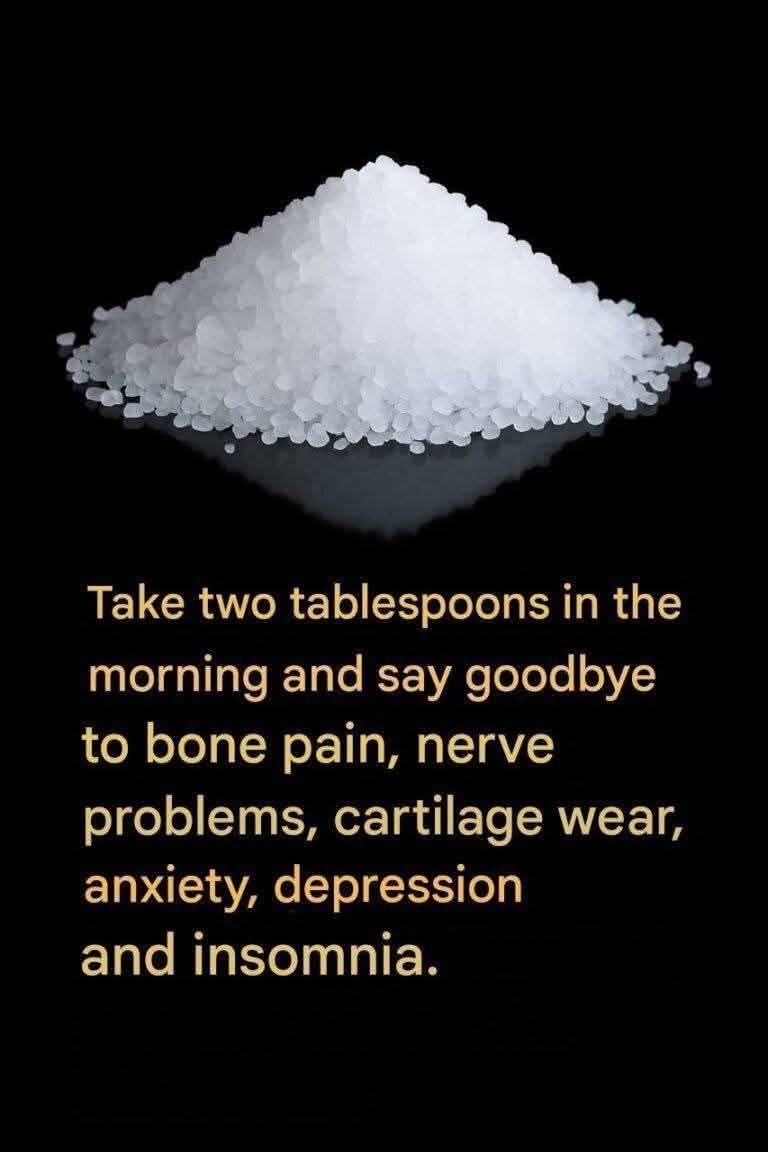
Salt is one of the most common ingredients in kitchens around the world. It adds flavor to food and provides sodium, a mineral that the body needs in small amounts. Sodium helps support normal nerve function, muscle function, and fluid balance.
However, a social media image claiming that taking two tablespoons of salt in the morning can eliminate bone pain, nerve problems, cartilage wear, anxiety, depression, and insomnia is misleading and potentially unsafe.
Taking two tablespoons of salt is not a safe or proven treatment for these conditions. In fact, consuming excessive amounts of salt can provide far more sodium than the body needs and may contribute to health problems, particularly when done regularly.
This article explains the role of salt in the diet, why excessive intake can be harmful, and healthier ways to support bones, muscles, nerves, and general well being.
What Is Salt
Table salt is primarily sodium chloride.
Sodium and chloride are electrolytes that perform important functions in the body. Sodium helps regulate the amount of fluid in the body and is involved in nerve signals and muscle contractions.
Because sodium is essential, the body does need some of it.
The important point is that needing sodium does not mean that consuming large quantities is beneficial.
Most people already obtain plenty of sodium through their normal diet.
Why the Body Needs Sodium
Sodium has several important roles.
It helps maintain normal fluid balance between different parts of the body. It also contributes to normal nerve transmission and muscle function.
Sodium is naturally present in many foods, while additional sodium is commonly added during cooking, food processing, and preparation.
For most people, the challenge is not getting enough sodium but avoiding excessive intake.
Why Two Tablespoons of Salt Is Too Much
Two tablespoons is a very large quantity of table salt.
Taking that amount intentionally as a health remedy is not recommended.
A large amount of sodium consumed at once can be harmful and may cause symptoms such as intense thirst, nausea, vomiting, weakness, or other disturbances.
Very high sodium intake can also be particularly dangerous for people with certain medical conditions.
Salt should therefore be used as a food ingredient in reasonable amounts rather than as a concentrated home remedy.
Salt Does Not Cure Bone Pain
Bone pain can have many possible causes.
It may be associated with injuries, nutritional problems, infections, certain diseases, medication effects, or other medical conditions.
There is no good evidence that swallowing large amounts of table salt can cure bone pain.
If bone pain is persistent, severe, or unexplained, identifying the underlying cause is much more important than trying a salt remedy.
Nutrients such as calcium, vitamin D, magnesium, protein, and other dietary components are important for maintaining healthy bones, but they should be obtained through an appropriate overall diet rather than excessive salt consumption.
Salt Does Not Repair Cartilage
Cartilage is specialized connective tissue that helps cushion and support joints.
Cartilage problems can occur for many reasons, including aging, injury, repetitive stress, and joint conditions.
Eating extra salt does not rebuild damaged cartilage.
If someone experiences persistent joint pain, stiffness, swelling, or reduced movement, they should consider speaking with a healthcare professional.
Appropriate treatment depends on the specific cause.
Salt and Nerve Health
Sodium is involved in normal nerve signaling.
That does not mean that consuming extra salt improves nerve problems.
Nerve symptoms such as tingling, numbness, burning sensations, weakness, or persistent pain can have many causes.
Possible factors include nerve compression, nutritional deficiencies, diabetes, certain medications, alcohol use, and other medical conditions.
A person experiencing ongoing nerve symptoms should seek appropriate evaluation rather than attempting to treat the problem with large quantities of salt.
Salt and Anxiety
Anxiety is a complex condition involving psychological, biological, environmental, and sometimes medical factors.
There is no established evidence that taking two tablespoons of salt can cure anxiety.
Using salt as a treatment for anxiety could distract someone from receiving appropriate support.
Healthy lifestyle habits can contribute to general wellbeing, while persistent anxiety may benefit from professional mental health care.
Salt and Depression
Depression is also much more complicated than a simple dietary deficiency.
There is no evidence that taking large quantities of salt is a treatment for depression.
If someone experiences persistent sadness, loss of interest in activities, changes in sleep or appetite, difficulty concentrating, hopelessness, or other concerning symptoms, professional support is important.
Nutrition can contribute to general health, but salt should not be presented as a treatment for depression.
Salt and Sleep
Good sleep depends on many factors.
These can include sleep habits, stress, physical activity, caffeine intake, medications, medical conditions, and mental health.
There is no reliable evidence that taking large amounts of salt before or after sleep will cure insomnia.
A healthier approach is to establish consistent sleep habits and investigate persistent sleep problems when necessary.
How Much Salt Is Appropriate
Individual sodium requirements vary, but most people should avoid excessive sodium consumption.
A large portion of dietary sodium comes from processed and packaged foods rather than the salt shaker alone.
Foods that can contain substantial amounts of sodium include:
- Processed meats
- Packaged soups
- Instant noodles
- Salty snacks
- Processed cheese
- Sauces
- Pickles
- Fast food
- Some ready made meals
- Canned foods with added salt
Reading nutrition labels can help you understand how much sodium is present in packaged foods.
Salt and Blood Pressure
One of the most important reasons to avoid excessive sodium intake is its relationship with blood pressure.
For some people, reducing sodium intake can help lower blood pressure.
High blood pressure can increase the risk of cardiovascular and kidney problems over time.
This is particularly important for people who already have hypertension or have been advised by a healthcare professional to follow a lower sodium diet.
Replacing a healthy diet with a concentrated salt remedy would work against this goal.
Salt Does Not Detox the Body
Another common online claim is that salt can remove toxins from the body.
The body already has organs responsible for processing and eliminating waste, including the kidneys and liver.
Drinking or swallowing large quantities of salt does not provide a safe way to “detox” the body.
Excessive salt can instead disturb the body’s normal fluid and electrolyte balance.
There is no need for extreme salt cleanses.
What to Do Instead for Healthy Bones
If your goal is to support bone health, focus on the fundamentals.
Eat Calcium Rich Foods
Calcium is an important component of healthy bones.
Food sources include:
- Milk
- Yogurt
- Cheese
- Calcium fortified foods
- Some leafy green vegetables
- Tofu prepared with calcium
- Certain fish eaten with edible bones
Get Enough Vitamin D
Vitamin D helps the body absorb calcium and supports normal bone health.
Sources can include certain foods, fortified products, and sunlight exposure.
Some people may need supplementation depending on their individual circumstances.
Eat Enough Protein
Protein contributes to maintaining muscles and other tissues.
Good sources include eggs, fish, poultry, dairy products, beans, lentils, chickpeas, nuts, seeds, and tofu.
Stay Physically Active
Weight bearing and resistance activities can support bone and muscle health.
Walking, strength training, and other appropriate activities can be incorporated into a healthy lifestyle.
What to Do for Joint Health
Healthy joints benefit from maintaining an appropriate body weight, regular movement, muscle strength, and balanced nutrition.
Gentle activities such as walking, swimming, cycling, or appropriate strength exercises may help maintain mobility.
If exercise causes significant pain, however, it is better to obtain professional advice rather than simply pushing through the discomfort.
Persistent joint swelling or pain deserves appropriate evaluation.
What to Do for Nerve Symptoms
Numbness, burning, tingling, or weakness should not automatically be blamed on a lack of salt.
The cause needs to be considered.
Depending on the situation, a healthcare professional may look at medical history, medications, nutrition, blood glucose, nerve function, or other possible causes.
Self treating unexplained nerve symptoms with excessive salt can delay proper care.
Healthier Ways to Use Salt
Salt does not have to be completely eliminated from everyone’s diet.
The goal is moderation.
Try these simple strategies:
Taste Food Before Adding Salt
You may find that you need less salt than you initially expected.
Use Herbs and Spices
Garlic, parsley, black pepper, paprika, cumin, lemon, ginger, and other seasonings can add flavor without relying entirely on salt.
Choose Less Processed Foods
Fresh fruits, vegetables, beans, whole grains, and many minimally processed foods are useful foundations for a balanced diet.
Read Food Labels
Compare sodium levels when choosing packaged products.
Avoid Salt Based Health Remedies
Do not use large amounts of salt to treat pain, insomnia, anxiety, depression, or other health conditions.
Can Salt Ever Be Used Medically
Sodium is an important electrolyte, and medical professionals may use specific fluids or electrolyte solutions in particular situations.
However, medical electrolyte treatment is very different from swallowing tablespoons of table salt.
The concentration, ingredients, quantity, and reason for treatment all matter.
A homemade concentrated salt mixture should not be considered equivalent to medically formulated electrolyte products.
Signs of Excessive Sodium Intake
Consuming too much sodium can cause increased thirst and fluid retention.
Very high sodium intake can be dangerous and may produce symptoms such as:
- Nausea
- Vomiting
- Weakness
- Confusion
- Severe thirst
- Muscle problems
- Neurological symptoms in serious cases
Severe symptoms after consuming a large quantity of salt require urgent medical attention.
Who Should Be Particularly Careful
People with certain health conditions may need to pay especially close attention to sodium intake.
This can include people with:
- High blood pressure
- Certain heart conditions
- Kidney disease
- Conditions involving fluid retention
Medication can also affect fluid and electrolyte balance.
If you have been advised to restrict sodium, you should follow the recommendations provided by your healthcare professional.
Frequently Asked Questions
Can two tablespoons of salt cure bone pain
No. There is no established evidence that consuming two tablespoons of salt cures bone pain, and consuming that much salt can be unsafe.
Can salt repair damaged cartilage
No. Salt does not rebuild damaged cartilage.
Does salt cure nerve problems
No. Although sodium is necessary for normal nerve function, taking excessive salt is not a treatment for nerve disorders.
Can salt cure anxiety
No. Large amounts of salt are not an established treatment for anxiety.
Can salt cure depression
No. Depression requires appropriate assessment and treatment. Salt should not be used as a cure.
Can salt improve sleep
There is no reliable evidence that taking large amounts of salt cures insomnia.
Is sodium important for the body
Yes. Sodium is an essential electrolyte involved in fluid balance, nerve function, and muscle function. The body needs it in appropriate amounts.
Should salt be completely avoided
Not necessarily. Sodium is an essential nutrient. The goal for most people is to avoid excessive intake rather than treating salt as something that must always be eliminated.
Final Thoughts
The social media claim that two tablespoons of salt can eliminate bone pain, nerve problems, cartilage wear, anxiety, depression, and insomnia is not supported by reliable medical evidence.
Salt contains sodium, an essential mineral that the body needs for normal fluid balance, nerve signaling, and muscle function. However, more sodium does not mean better health.
Taking large amounts of salt as a homemade remedy can be dangerous and may increase health risks, particularly for people with certain medical conditions.
For stronger bones, healthier joints, and general wellbeing, focus on balanced nutrition, adequate calcium and vitamin D, sufficient protein, regular physical activity, good sleep habits, and appropriate medical care when symptoms persist.
A single ingredient is rarely the solution to a complex health problem. When a social media post promises that an ordinary kitchen ingredient can cure several unrelated conditions at once, it is wise to question the claim and look for reliable health information before trying it.
Important Disclaimer
This article is for general educational and informational purposes only. It does not diagnose, treat, cure, or prevent any disease or medical condition.
Do not consume large quantities of salt as a treatment for pain, anxiety, depression, insomnia, nerve problems, or cartilage problems. If you have persistent symptoms or accidentally consume a very large amount of salt and develop concerning symptoms, seek appropriate medical advice promptly.