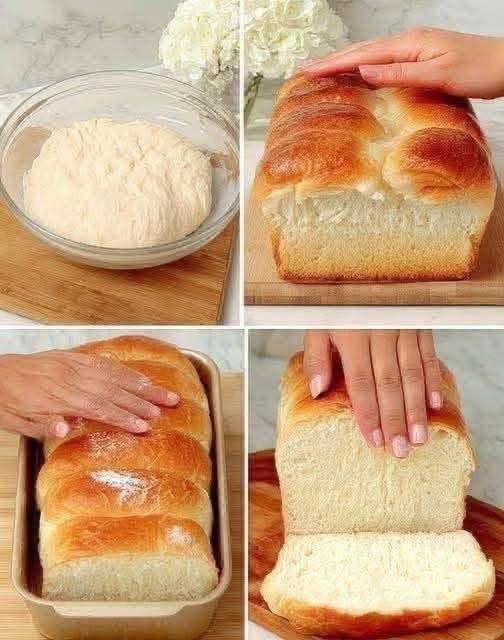
Fresh homemade bread is one of the simplest and most satisfying recipes to prepare in the kitchen. The smell of freshly baked bread, the golden crust, and the soft interior make it a wonderful addition to breakfast, lunch, or dinner.
This easy homemade bread recipe uses basic ingredients and simple preparation steps. The result is a soft loaf with a lightly golden exterior and a tender crumb that is perfect for slicing and serving with butter, cheese, eggs, jam, or your favorite spread.
Whether you are an experienced baker or making bread for the first time, this recipe is easy to follow and can become a useful everyday recipe for your kitchen.
Why Make Homemade Bread
Making bread at home allows you to control the ingredients and adjust the recipe according to your preferences.
Homemade bread can also be especially enjoyable because it is served fresh. You can choose the size of the loaf, the level of sweetness, and whether you want to add ingredients such as seeds, herbs, or whole grains.
Another advantage is that the basic ingredients are inexpensive and easy to find.
The most important part of making soft bread is giving the dough enough time to develop. Proper kneading and rising help create a light and pleasant texture.
Ingredients
For one medium loaf, you will need:
- 3 cups all purpose flour
- 1 cup warm milk or warm water
- 2 tablespoons sugar
- 1 teaspoon salt
- 2 teaspoons active dry yeast
- 2 tablespoons vegetable oil or melted butter
- 1 egg
For brushing the top:
- 1 tablespoon milk
- 1 teaspoon melted butter
The exact amount of flour can vary slightly depending on the flour and humidity in your kitchen. Add the flour gradually rather than adding everything at once.
How To Make Homemade Soft Bread
Prepare The Yeast
Begin by placing the warm milk or water in a small bowl.
The liquid should feel warm but not extremely hot. Add the sugar and yeast and gently stir.
Let the mixture sit for approximately 5 to 10 minutes.
If the yeast becomes slightly foamy, it is ready to use. If nothing happens, check that the yeast is still active and that the liquid was not too hot or too cold.
Mix The Ingredients
Place the flour in a large mixing bowl.
Add the salt and mix lightly.
Pour in the yeast mixture, then add the egg and vegetable oil or melted butter.
Mix everything together with a wooden spoon or your hands until a rough dough begins to form.
At this stage, the dough may look slightly sticky. Avoid adding a large amount of extra flour immediately because too much flour can produce a dense loaf.
Knead The Dough
Transfer the dough to a lightly floured work surface.
Knead it for approximately 8 to 10 minutes.
The dough should gradually become smoother and more elastic.
You can also use a stand mixer fitted with a dough hook if you prefer.
The finished dough should feel soft and flexible. It should not be extremely dry or hard.
If the dough is excessively sticky, add a small amount of flour at a time. If it feels too dry, add a teaspoon of water or milk and continue kneading.
Let The Dough Rise
Place the kneaded dough in a lightly greased bowl.
Cover the bowl with a clean kitchen towel or suitable food covering.
Leave the dough in a warm, draft free area for approximately 1 to 1.5 hours.
The dough should become noticeably larger as the yeast produces gas and the dough rises.
The exact rising time depends on the temperature of your kitchen. A warmer environment generally allows the dough to rise faster.
Shape The Loaf
Once the dough has risen, gently press it down to release some of the excess air.
Transfer it to a lightly floured surface.
Shape the dough into a loaf that fits comfortably inside a greased bread pan.
Place the shaped dough into the pan and cover it again.
Allow it to rest for another 20 to 40 minutes.
This second rise helps create a lighter texture.
Prepare The Bread For Baking
Preheat your oven to approximately 180 degrees Celsius.
Before placing the bread in the oven, gently brush the surface with a small amount of milk.
You can also brush the top with melted butter after baking for a softer crust and a pleasant finish.
If desired, sprinkle the top with sesame seeds, poppy seeds, sunflower seeds, or other suitable toppings.
Bake The Bread
Place the bread pan in the preheated oven.
Bake for approximately 25 to 35 minutes, depending on the size and shape of your loaf and the characteristics of your oven.
The bread should develop a beautiful golden brown color on top.
The loaf should sound relatively hollow when gently tapped on the bottom once removed from the pan.
Avoid cutting the bread immediately after taking it out of the oven.
Let The Bread Cool
Allow the loaf to cool on a wire rack for at least 20 to 30 minutes before slicing.
This step is important because the interior continues to set as the bread cools.
Cutting the loaf while it is extremely hot can make the inside appear sticky or compressed.
Once cooled, use a sharp bread knife to cut even slices.
How To Keep Homemade Bread Soft
Fresh bread is best when eaten within a few days.
Once the loaf has completely cooled, store it in a clean airtight container or bread bag at room temperature.
Avoid placing freshly baked bread in a sealed container while it is still warm because trapped steam can make the crust excessively moist.
If you want to keep the bread for longer, slicing it and freezing individual portions can be convenient.
Place the cooled slices in a suitable freezer-safe bag or container and remove only the amount you need.
Tips For Making Soft Bread
Use The Right Amount Of Flour
One of the most common mistakes when making homemade bread is adding too much flour.
The dough should be soft and slightly elastic rather than stiff.
Add flour gradually until the dough reaches the appropriate consistency.
Use Warm Liquid
The liquid should be comfortably warm.
Extremely hot liquid can damage the yeast, while very cold liquid may slow down the rising process.
Give The Dough Enough Time
Rushing the rising process can result in a heavier loaf.
Allow the dough enough time to increase in volume before shaping and baking.
Knead Properly
Kneading develops the structure of the dough.
If you are kneading by hand, use a consistent folding and pressing motion until the dough becomes smooth and elastic.
Do Not Overbake
Overbaking can make homemade bread dry.
Keep an eye on the color of the crust during the final minutes of baking and remember that ovens can vary considerably.
How To Make The Bread More Flavorful
The basic recipe can be adapted in many ways.
For a savory loaf, add dried herbs such as oregano, thyme, rosemary, or parsley.
You can also add a small amount of grated cheese or finely chopped olives.
For a seeded loaf, sprinkle sesame seeds, flaxseeds, pumpkin seeds, or sunflower seeds over the top.
For a slightly sweeter breakfast bread, increase the sugar modestly and add a little vanilla or cinnamon.
Avoid adding large amounts of wet ingredients without adjusting the flour because this can change the consistency of the dough.
Can You Use Whole Wheat Flour
Yes, part of the all purpose flour can be replaced with whole wheat flour.
Whole wheat flour produces a denser and more rustic loaf because it contains more of the grain components.
If you want a softer texture, start by replacing approximately one quarter to one third of the white flour with whole wheat flour.
You can gradually experiment with higher proportions depending on your preference.
Can You Make Bread Without An Egg
Yes.
The egg can be omitted if necessary.
The texture may be slightly different, but you can still make a soft homemade loaf using flour, yeast, liquid, salt, sugar, and oil or butter.
If you want a dairy free version, use water or a suitable plant based milk and replace butter with vegetable oil.
How To Know When Bread Is Fully Baked
The appearance of the crust is one useful indication.
A properly baked loaf should have a golden brown exterior.
You can also carefully remove the loaf from the pan and tap the bottom. A hollow sounding loaf is generally a good indication that it has baked sufficiently.
For more precise baking, an instant read thermometer can be used. The center of many yeast breads reaches roughly 90 to 95 degrees Celsius when fully baked, although the ideal temperature can vary depending on the recipe.
Common Problems When Making Bread
The Dough Does Not Rise
There are several possible reasons.
The yeast may no longer be active, the liquid may have been too hot or too cold, or the dough may have been left in a particularly cold environment.
Check the yeast expiration date and make sure the liquid temperature is appropriate.
The Bread Is Too Dense
Dense bread can result from insufficient kneading, inactive yeast, too much flour, or inadequate rising time.
Make sure the dough has enough time to rise and avoid making it unnecessarily stiff.
The Bread Is Dry
Dry bread can be caused by using too much flour or baking the loaf for too long.
Measure ingredients carefully and avoid excessive flour when kneading.
The Crust Is Too Hard
A long baking time can create a thick crust.
Brushing the warm bread with a little melted butter after baking can also provide a softer finish.
Serving Ideas
Fresh homemade bread can be served in many different ways.
For breakfast, serve it with butter, honey, fruit preserves, cheese, or eggs.
For lunch, use the slices to prepare sandwiches with vegetables, chicken, tuna, cheese, or other favorite fillings.
The bread can also be toasted and served with soup or salad.
Fresh slices are especially delicious while the loaf is still slightly warm.
Frequently Asked Questions
How long does homemade bread last?
Properly stored homemade bread is generally best within two to three days at room temperature. Freezing is a better option when you need to store it for longer.
Can I prepare the dough in advance?
Yes. Bread dough can often be prepared ahead of time and refrigerated for slower fermentation. Allow it to warm appropriately and continue with shaping and baking according to the recipe.
Can I freeze homemade bread?
Yes. Allow the bread to cool completely, slice it if desired, and place it in a suitable freezer-safe bag or container.
Why is my bread not as soft as the bread from a bakery?
Commercial bakeries may use different flour, mixing techniques, ingredients, equipment, and baking conditions. Homemade bread may have a more natural texture, and small adjustments to hydration, kneading, and baking time can improve softness.
Can I use instant yeast?
Yes. Instant yeast can usually be mixed directly with the dry ingredients, depending on the manufacturer’s instructions.
Final Thoughts
Homemade soft bread is a simple recipe that can be prepared with everyday ingredients. With the right amount of liquid, careful kneading, sufficient rising time, and proper baking, you can create a delicious loaf with a golden crust and a soft interior.
The recipe is also easy to customize. You can keep it simple for everyday sandwiches or add seeds, herbs, cheese, or other ingredients to create a loaf suited to your taste.
Once you become comfortable with the basic method, homemade bread can become one of the most useful recipes in your kitchen.