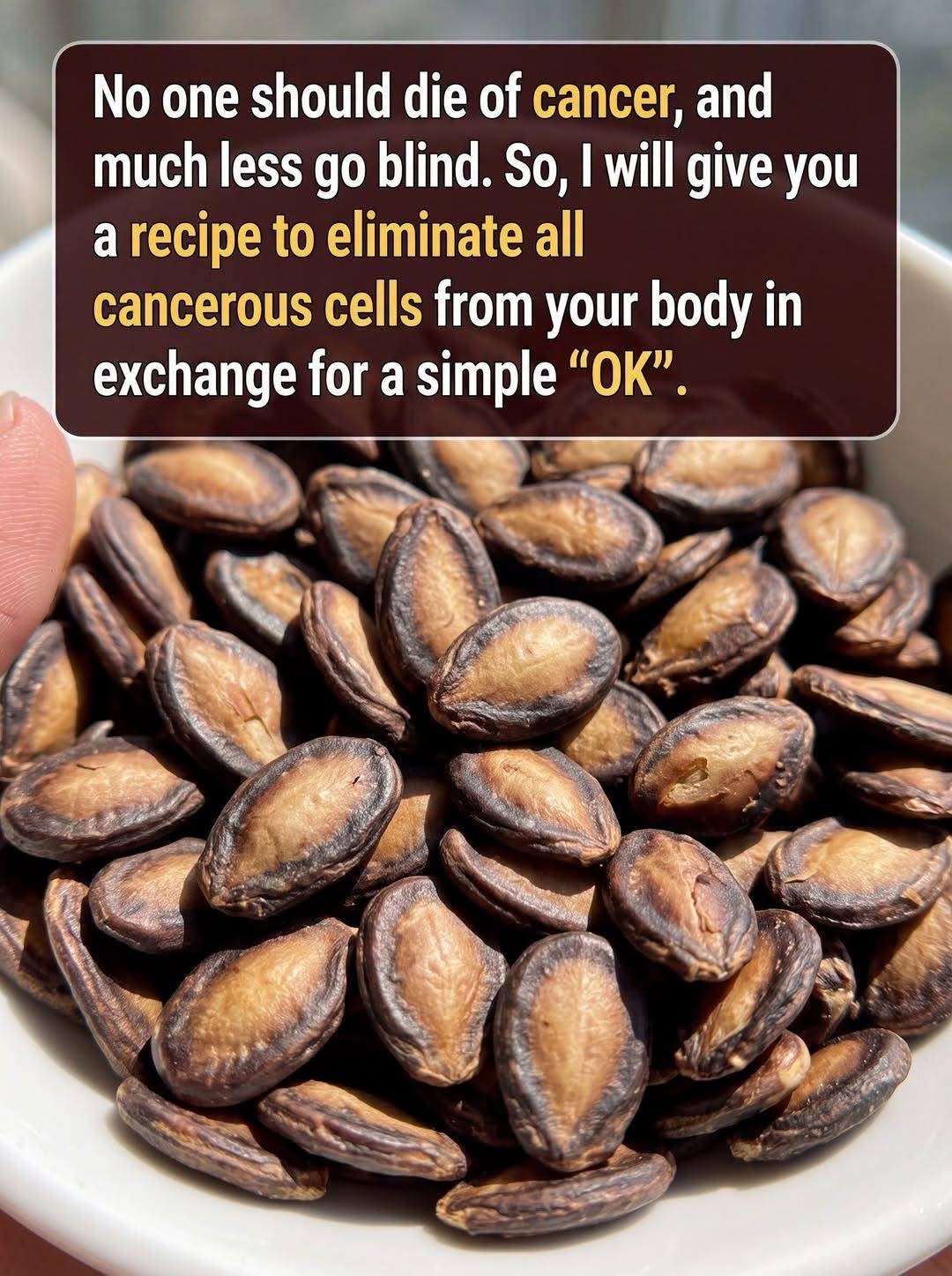
Social media posts often present simple foods or natural ingredients as powerful cures for serious diseases. One recent claim shows a bowl of seeds and promises a recipe that can eliminate cancer cells from the body and prevent or reverse blindness.
The seeds shown appear to be papaya seeds. Papaya is a nutritious fruit, and researchers have studied different parts of the papaya plant for potentially useful biological effects. However, there is an important difference between something being studied in a laboratory and being proven to treat a disease in people.
There is currently no scientific evidence showing that eating papaya seeds or preparing a simple papaya seed recipe can eliminate all cancer cells from the human body or restore lost vision.
The National Cancer Institute explains that no special food, herb, vitamin, supplement, or diet has been proven to slow cancer, cure cancer, or prevent it from returning. Some supplements may also interfere with cancer treatments. (Institut National du Cancer)
What Are the Seeds Shown in the Image
The seeds appear consistent with papaya seeds, which come from the inside of the papaya fruit.
Papaya seeds have been investigated for various biological properties, including possible antioxidant, antimicrobial, and anticancer effects. This research has attracted interest because the seeds contain several plant compounds.
However, laboratory research does not automatically mean that eating the seeds will treat a disease.
The amount of a compound used in a laboratory experiment can be very different from the amount a person would consume as food. Researchers also need to determine whether the substance reaches the target tissue in the human body, whether it is safe, what dose would be appropriate, and whether it actually improves health outcomes.
These are important steps before a food or plant extract can be considered an established medical treatment.
Can Papaya Seeds Eliminate Cancer Cells
There is no good evidence that papaya seeds can eliminate all cancer cells in a person’s body.
Some laboratory studies have investigated papaya seed extracts and cancer cells. For example, researchers have reported effects of papaya seed extracts on certain cancer cell lines in laboratory experiments. (PubMed)
This type of research can be useful because it helps scientists identify substances that might deserve further investigation.
But a laboratory experiment is not the same thing as a successful cancer treatment.
Cancer is not one single disease. There are many types of cancer, and each can behave differently. A substance that affects one group of cancer cells in a laboratory dish does not necessarily work inside the human body.
A review of research on papaya and cancer also found that much of the earlier evidence involved laboratory studies rather than established human cancer treatment. (PubMed)
More recent research continues to investigate papaya compounds, but this remains an area of scientific research rather than proof that papaya seeds cure cancer.
Why Laboratory Results Can Be Misleading
A common problem with viral health posts is that they take a laboratory finding and present it as a finished treatment.
For example, researchers may expose cancer cells to a concentrated plant extract and observe that some cells stop growing or die.
That finding may be interesting, but several questions remain.
Can the same concentration safely be reached in a human body?
Will the substance be absorbed through the digestive system?
Will it reach the tumor?
Will it affect healthy cells?
What dose would be required?
Could it interact with chemotherapy or other medicines?
Does it improve survival or quality of life in actual patients?
Only carefully designed human studies can answer many of these questions.
That is why scientific evidence for cancer treatments usually progresses through multiple stages of research before a treatment becomes part of standard medical care.
Can Papaya Seeds Cure Blindness
The claim that the same recipe can make someone stop being blind is also unsupported.
Vision loss can have many different causes. These include cataracts, glaucoma, diabetic retinopathy, age-related macular degeneration, eye injuries, retinal diseases, neurological conditions, and other problems.
The National Eye Institute explains that treatment for vision loss depends on the condition causing it. Some causes may be treated with medicines, procedures, surgery, corrective lenses, or other approaches, while some forms of low vision may be permanent. (Institut de Santé des États-Unis)
Because blindness has many possible causes, there cannot be one simple food recipe that reliably reverses all forms of blindness.
A person experiencing vision loss needs an appropriate eye examination to determine the cause.
Why New Vision Loss Should Not Be Treated With a Home Remedy
Sudden changes in vision should not be ignored while someone experiments with a food or herbal recipe.
Some eye conditions require prompt medical attention. For example, the National Eye Institute notes that sudden new floaters, flashes of light, or a dark curtain or shadow in the field of vision can be signs of a retinal tear or retinal detachment, which can be a medical emergency. (Institut de Santé des États-Unis)
This is one reason viral claims about “natural cures” can be dangerous. A person may delay professional care because they believe a recipe will solve the problem.
When vision suddenly changes, getting an eye examination is much more important than trying an unproven remedy.
Does Papaya Have Health Benefits
Papaya itself can be part of a healthy diet.
Like many fruits, it provides nutrients and plant compounds that can contribute to overall nutrition. Eating a variety of fruits and vegetables is generally a useful part of a balanced eating pattern.
But nutritional value should not be confused with disease treatment.
A healthy food can support general health without being a medicine.
For example, eating fruit does not mean that the fruit can replace cancer treatment, diabetes medication, blood pressure medication, or treatment for an eye disease.
This distinction is especially important when discussing serious conditions.
What Does Cancer Research Say About Foods and Supplements
The National Cancer Institute states that there is no proof that any particular food, vitamin, mineral, dietary supplement, herb, or combination of these can slow cancer, cure it, or prevent it from returning. (Institut National du Cancer)
This does not mean that diet is unimportant.
Nutrition can be an important part of maintaining strength and supporting overall health. People receiving cancer treatment may also have specific nutritional needs.
However, nutrition and cancer treatment are different issues.
Cancer treatment may include approaches such as surgery, chemotherapy, radiation therapy, immunotherapy, targeted therapy, hormone therapy, or combinations of treatments, depending on the cancer and the individual situation. (Institut National du Cancer)
The appropriate treatment should be determined with qualified healthcare professionals.
Natural Does Not Always Mean Safe
Another problem with viral health claims is the assumption that natural ingredients are automatically harmless.
That is not always true.
Plant extracts can contain biologically active substances. Concentrated preparations can behave differently from ordinary foods, and some supplements can interact with medicines.
The National Cancer Institute warns that some complementary and alternative products may be harmful or may interfere with standard cancer treatments. It recommends discussing supplements and other complementary approaches with a healthcare professional. (Institut National du Cancer)
This is particularly important for people receiving chemotherapy, radiation therapy, immunotherapy, targeted therapy, or other cancer medicines.
A food used as part of a normal diet is not necessarily equivalent to a concentrated extract, powder, capsule, or homemade medicinal preparation.
What About Studies Showing Anticancer Effects From Papaya Seeds
There is a legitimate scientific reason why people sometimes mention papaya seeds in discussions about cancer.
Researchers have observed potentially interesting effects in laboratory studies.
One study investigated papaya seed extract against human colorectal cancer cells in laboratory conditions and reported effects on cell viability and biological pathways associated with programmed cell death. (PubMed)
Another study investigated compounds from papaya seeds and reported potential cancer-related effects in laboratory and animal models. The researchers also emphasized that additional work was needed to understand safety and whether the findings could be translated into clinical use. (PubMed)
These findings are worth studying.
But they do not prove that eating papaya seeds cures cancer.
The difference between “may have anticancer activity in laboratory research” and “cures cancer in humans” is enormous.
Scientific communication should preserve that distinction.
Why the Phrase Eliminate All Cancer Cells Is a Red Flag
Cancer is biologically complex.
Tumors can contain different populations of cells, and cancer can spread to different organs. Treatments are therefore designed according to factors such as cancer type, stage, genetic characteristics, location, and the patient’s overall situation.
A claim that one simple recipe can eliminate all cancer cells from the body ignores this complexity.
It also provides no information about cancer type, stage, treatment history, dose, safety, or clinical evidence.
These omissions should make readers cautious.
A genuine medical treatment claim should be supported by appropriate clinical evidence rather than a social media image and a dramatic promise.
Do Not Replace Cancer Treatment With Papaya Seeds
If someone has been diagnosed with cancer, stopping prescribed treatment in favor of papaya seeds or another unproven remedy can have serious consequences.
The National Cancer Institute distinguishes between complementary approaches used alongside standard treatment and alternative approaches used instead of standard treatment. It advises cancer patients to discuss complementary and alternative products with their healthcare team. (Institut National du Cancer)
This does not mean that every complementary approach is useless.
Some approaches may help with symptoms, comfort, stress, or treatment side effects when used appropriately.
The problem occurs when an unproven remedy is promoted as a replacement for evidence-based cancer treatment.
Can Papaya Seeds Prevent Cancer
It would also be inappropriate to conclude that eating papaya seeds prevents cancer.
Cancer prevention involves many factors, including tobacco exposure, alcohol consumption, body weight, physical activity, certain infections, environmental exposures, genetics, age, and other factors depending on the cancer type.
No single food can guarantee protection against cancer.
A balanced diet can be part of a healthy lifestyle, but it should not be presented as a guarantee against cancer.
What About Eating Papaya Seeds as Food
Papaya seeds are sometimes consumed in food and traditional practices, but that does not establish a medical dose or prove that consuming large amounts is beneficial.
Research on papaya seeds has also explored biological effects unrelated to cancer. For example, experimental research has investigated effects of papaya seed extract on sperm in laboratory conditions. (PubMed)
This illustrates another important point: plant compounds can have biological effects, and those effects are not automatically beneficial in every situation.
Anyone considering concentrated papaya seed preparations, supplements, or large amounts should discuss the idea with a healthcare professional, particularly if they take prescription medicines or are undergoing medical treatment.
What Actually Helps Reduce Cancer Risk
Instead of looking for a single miracle ingredient, evidence-based cancer prevention focuses on multiple factors.
Depending on the individual and the cancer type, useful measures can include avoiding tobacco, maintaining a healthy weight, being physically active, eating a balanced diet, limiting alcohol, protecting the skin from excessive ultraviolet radiation, receiving recommended vaccinations, and participating in appropriate cancer screening.
Screening is particularly important because some cancers can be detected before symptoms appear.
The exact recommendations vary according to age, sex, family history, risk factors, and country-specific medical guidance.
What Should You Do If You Already Have Cancer
If you have cancer, discuss any dietary supplement, herbal product, extract, or home remedy with your oncology team before using it.
Bring the product or ingredient information if possible.
Tell your healthcare professional exactly what you are taking and how much.
This matters because some supplements can alter how medicines are absorbed, processed, or eliminated by the body. NCI specifically warns that interactions between dietary supplements and cancer therapies can affect how cancer drugs work. (Institut National du Cancer)
Do not stop chemotherapy, radiation, immunotherapy, surgery plans, or prescribed medication because of a social media claim.
What Should You Do About Vision Problems
If your vision is gradually becoming blurry, arrange an eye examination.
If vision loss is sudden, severe, or accompanied by flashes, many new floaters, a curtain-like shadow, severe eye pain, or other concerning symptoms, seek urgent medical attention.
The National Eye Institute emphasizes the importance of comprehensive dilated eye examinations because many eye diseases can exist without obvious symptoms in their early stages. (Institut de Santé des États-Unis)
Finding the cause is the first step toward finding the appropriate treatment.
How to Recognize Misleading Health Posts
Health misinformation often follows a recognizable pattern.
Be especially cautious when a post:
Claims to cure several unrelated diseases with one ingredient.
Promises results within minutes or days.
Uses phrases such as “doctors don’t want you to know.”
Says a simple recipe can replace medical treatment.
Uses dramatic before-and-after images without identifying clinical studies.
Refers to laboratory research as proof of a cure.
Asks people to comment a word to receive a secret method.
Uses phrases such as “eliminate all cancer cells.”
Real medical evidence is usually much more complicated than a viral post.
A treatment must be evaluated for effectiveness, safety, appropriate dosage, side effects, interactions, and which patients can benefit from it.
Frequently Asked Questions
Are the seeds in the image papaya seeds?
They appear to be papaya seeds, although an image alone cannot establish the exact source with certainty.
Can papaya seeds cure cancer?
There is no reliable clinical evidence showing that eating papaya seeds cures cancer or eliminates all cancer cells in people. Some laboratory research has investigated papaya seed extracts, but laboratory findings are not proof of a human treatment. (PubMed)
Can papaya seeds restore eyesight?
There is no established evidence that papaya seeds can restore blindness or reverse all forms of vision loss.
Vision problems have many different causes and require appropriate diagnosis and treatment. (Institut de Santé des États-Unis)
Can I eat papaya as part of a healthy diet?
Papaya can be included in a varied and balanced diet. However, eating papaya should not be considered a treatment or cure for cancer or blindness.
Can I use papaya seeds while receiving cancer treatment?
Do not assume that a natural product is automatically safe during cancer treatment. Discuss papaya seed preparations, supplements, or concentrated extracts with your doctor or oncology team before using them. Some complementary products can interfere with cancer medicines. (Institut National du Cancer)
Why do some studies say papaya seeds may affect cancer cells?
Some laboratory studies have found biological effects from papaya seed extracts. These findings can help researchers identify compounds for future investigation, but they do not demonstrate that eating papaya seeds treats cancer in humans. (PubMed)
What should I do if I have sudden vision loss?
Seek urgent medical evaluation rather than relying on a home remedy. Sudden vision changes can sometimes indicate a serious eye problem that requires prompt treatment. (Institut de Santé des États-Unis)
Final Thoughts
Papaya seeds are an interesting subject of scientific research, but the viral claim that a simple papaya seed recipe can eliminate all cancer cells and cure blindness is not supported by clinical evidence.
Laboratory research into papaya seed extracts should not be confused with a proven cancer treatment. Likewise, vision loss cannot be treated with one universal recipe because it can result from many different eye and neurological conditions.
Food can play an important role in overall health, but serious diseases require appropriate diagnosis and evidence-based care.
If you or someone you know has cancer, do not replace prescribed treatment with an unproven remedy. If you experience vision loss or sudden changes in eyesight, seek appropriate medical care.
The safest approach is to treat viral health claims as something to investigate rather than something to follow blindly.
Health Disclaimer
This article is for general educational purposes only and is not a substitute for professional medical advice, diagnosis, or treatment. Cancer and vision problems can be serious medical conditions. Always consult a qualified healthcare professional before starting supplements, herbal preparations, or alternative treatments, especially if you are taking medication or receiving cancer treatment.