Honey is a natural sweetener that has been enjoyed for centuries. It is commonly added to tea, oatmeal, yogurt, and other foods. Because honey contains naturally occurring plant compounds, it has also attracted interest in traditional remedies and nutrition research.
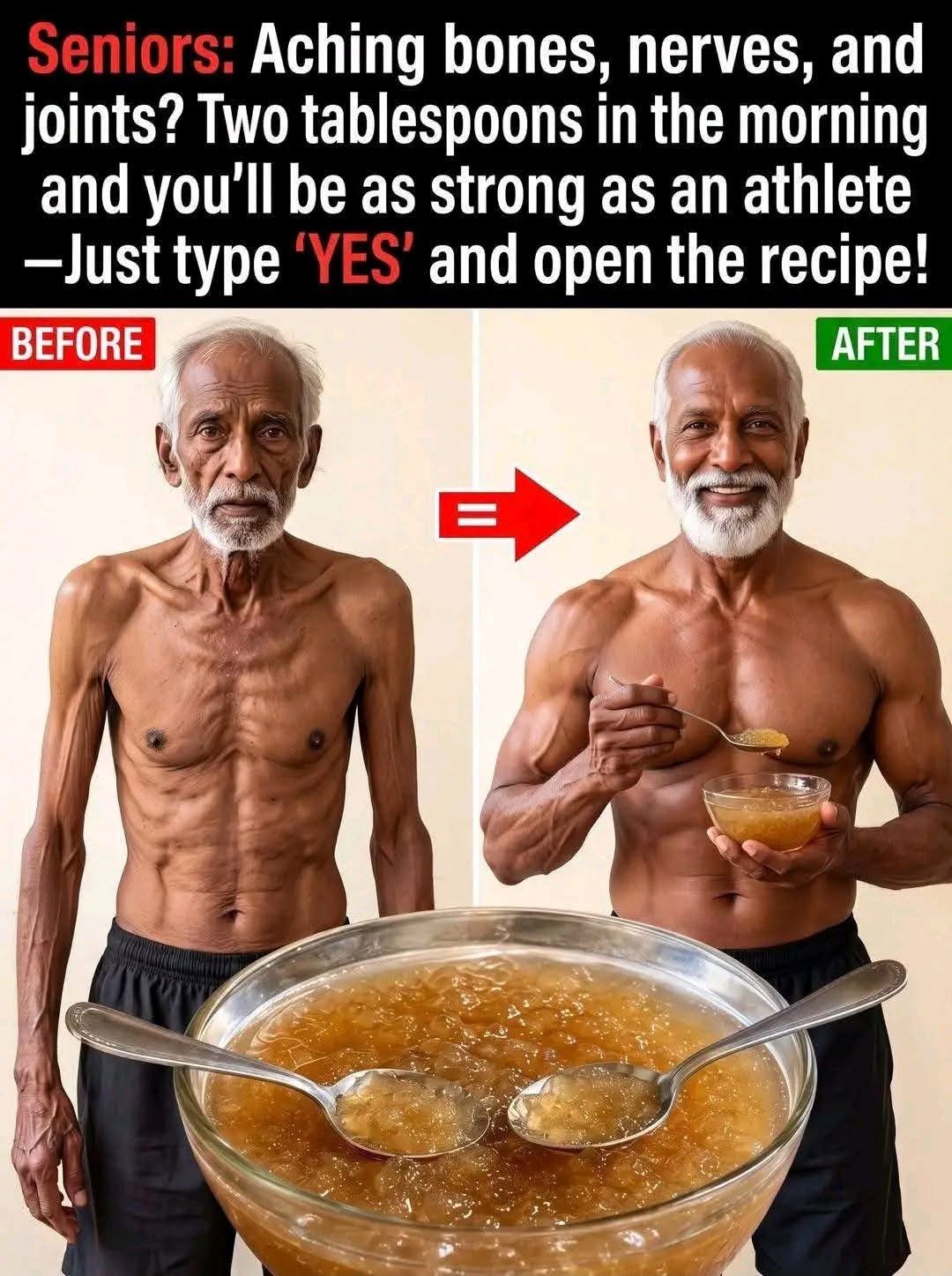
On social media, honey is sometimes promoted as a powerful remedy for older adults. One viral claim suggests that eating two tablespoons of honey every morning can relieve aching bones, nerves, and joints and make seniors as strong as athletes.
However, these claims are not supported by reliable evidence. Honey can be part of a balanced diet, but it has not been proven to reverse aging, rebuild bones, repair damaged nerves, or eliminate arthritis pain.
Understanding what honey can realistically offer is particularly important for older adults who may be experiencing joint stiffness, muscle weakness, or other age-related changes.
What Is Honey
Honey is a natural sweet substance produced by honeybees from flower nectar. Its composition varies depending on the flowers, region, and processing methods.
Honey consists mainly of sugars, particularly glucose and fructose. It also contains small amounts of other compounds, including minerals, organic acids, and plant-derived antioxidants.
Different varieties, such as clover honey, wildflower honey, and darker honeys, can vary in flavor, color, and composition.
Honey can be used as a sweetener in many foods. However, its nutritional properties do not make it a complete source of vitamins, minerals, or protein, and it should not replace a balanced diet.
Can Two Tablespoons of Honey Make Seniors Stronger
There is no reliable clinical evidence that eating two tablespoons of honey every morning makes older adults as strong as athletes.
Honey provides carbohydrates, which the body can use for energy. This may be useful as part of normal food intake, but consuming extra sugar does not automatically improve muscle strength, endurance, balance, or physical performance.
Strength depends on several factors, including muscle mass, physical activity, adequate protein intake, sleep, general health, and the presence of medical conditions.
Older adults who want to maintain their strength may benefit from appropriate resistance exercises, regular physical activity, and a balanced diet that provides enough protein and other essential nutrients.
Honey can be included in this eating pattern, but it is not a substitute for exercise or adequate nutrition.
Honey and Joint Pain
Joint pain is common among older adults, but it can have many different causes.
Osteoarthritis is one of the most common causes. It develops when the tissues within a joint gradually change and the cartilage that cushions the ends of bones deteriorates. Symptoms can include pain, stiffness, swelling, and difficulty moving the affected joint.
Some laboratory studies have investigated compounds found in honey for their antioxidant and anti-inflammatory properties. Researchers have also explored combinations of honey and other ingredients, including ginger.
However, laboratory findings do not automatically demonstrate that eating ordinary honey will relieve joint pain in humans.
A small clinical study investigated a specific syrup containing ginger extract and honey in people with knee osteoarthritis over 12 weeks. The findings do not establish that honey alone treats arthritis or that two tablespoons of honey produce rapid relief.
Therefore, honey should be considered a food rather than a proven treatment for joint disease.
Can Honey Rebuild Bones
Healthy bones require a combination of nutrients, physical activity, and appropriate hormonal and metabolic function.
Important nutrients for bone health include calcium, vitamin D, protein, and phosphorus. Other nutrients also contribute to normal bone maintenance.
Honey contains small amounts of some nutrients, but it is not a significant source of calcium or vitamin D. There is no reliable evidence that eating honey rebuilds damaged bones, reverses osteoporosis, or prevents fractures on its own.
Older adults concerned about bone health should focus on a balanced diet, appropriate weight-bearing and resistance exercises, and medical advice about bone density and fracture risk.
People who have osteoporosis or a history of fractures may need individualized treatment and nutritional guidance.
Honey and Nerve Health
Nerves carry signals between the brain, spinal cord, and the rest of the body. Nerve-related symptoms may include tingling, burning, numbness, weakness, or pain.
These symptoms can have several causes, including diabetes, vitamin deficiencies, nerve compression, certain medications, and other neurological conditions.
Honey has not been established as a treatment for damaged nerves or peripheral neuropathy. Although some honey compounds have been studied in laboratory settings, this does not prove that eating honey repairs nerve tissue or eliminates nerve pain.
Persistent numbness, burning sensations, or unexplained weakness should be assessed by a healthcare professional. Identifying the cause is important because some nerve conditions require specific treatment.
What Are the Potential Benefits of Honey
Honey has several practical uses as a food, but its benefits should be described accurately.
It Provides Energy
Honey contains carbohydrates that provide energy. A small amount can sweeten food or a drink.
However, honey is primarily a source of sugar, so it should not be treated as a complete energy or nutrition supplement.
It Can Replace Some Added Sugar
Some people prefer honey’s flavor to ordinary table sugar. It can be used in small amounts in tea, yogurt, or oatmeal.
However, honey still counts as a source of free sugars. Replacing table sugar with honey does not eliminate the need to moderate overall sugar intake.
It Contains Some Plant Compounds
Honey contains small amounts of naturally occurring compounds that vary by variety.
These compounds are being studied for possible biological effects. Nevertheless, their presence does not prove that ordinary honey prevents chronic diseases or treats arthritis, nerve damage, or osteoporosis.
It Can Soothe a Cough
Honey has been studied as a way to relieve cough symptoms, particularly in children older than one year.
This is a separate use from treating joint pain or improving muscle strength. Honey must never be given to infants younger than 12 months because of the risk of infant botulism.
Is Honey Good for Older Adults
Many older adults can enjoy honey in moderate amounts as part of a balanced diet.
However, the appropriate amount depends on individual nutritional needs and health conditions.
People who have diabetes, prediabetes, or difficulty managing blood glucose should pay attention to the amount of honey they consume. Honey contains sugars that can raise blood glucose levels.
Older adults who need to limit calories or added sugars should also consider honey as part of their overall diet.
If a healthcare professional has recommended a specific eating plan, that advice should take priority over general claims made on social media.
How Much Honey Should Seniors Eat
There is no established daily dose of honey for improving bone strength, relieving nerve pain, or treating arthritis.
Two tablespoons should not be viewed as a medically proven amount. Depending on the type and serving size, two tablespoons of honey can provide a substantial amount of sugar and energy.
For people who enjoy honey, using a small amount to sweeten food may be a practical choice.
The most important consideration is the overall diet, not a specific number of spoonfuls.
People who monitor their blood glucose should count honey among their carbohydrate and sugar intake and follow individualized advice from their healthcare team.
A Simple Honey and Yogurt Breakfast
Honey can be included in a balanced breakfast without presenting it as a medical treatment.
Ingredients
- 1 cup of plain yogurt
- 2 to 3 tablespoons of oats
- A small handful of berries or sliced fruit
- 1 teaspoon of honey
- A few chopped nuts, if appropriate
Preparation
- Place the plain yogurt in a bowl.
- Add the oats and fresh fruit.
- Sprinkle the chopped nuts on top if desired.
- Add a small amount of honey for flavor.
- Mix and serve.
This breakfast provides a combination of nutrients. Depending on the ingredients, yogurt can provide protein and calcium, oats can provide fiber, and fruit can contribute vitamins and other nutrients.
The honey is included for taste, not as a treatment for pain or weakness.
People with allergies, swallowing difficulties, or specific dietary restrictions should adapt the ingredients to their needs.
Better Ways to Support Joint Health After 50
There is no single food that guarantees pain-free joints. However, several evidence-based approaches may help older adults manage joint symptoms and maintain mobility.
Stay Physically Active
Appropriate physical activity can help maintain strength, flexibility, balance, and function.
Walking, swimming, water-based exercise, and suitable strength-training activities may be helpful depending on a person’s health and mobility.
People with significant pain or balance difficulties should ask a healthcare professional about safe activities.
Maintain a Healthy Weight
For people with excess body weight, gradual weight loss may reduce the load placed on weight-bearing joints such as the knees.
Combining dietary changes with appropriate physical activity can improve mobility and may help reduce symptoms in some people with knee osteoarthritis.
Eat a Balanced Diet
A varied diet can provide the nutrients needed for normal muscle and bone function.
Include vegetables, fruits, whole grains, legumes, appropriate protein sources, and foods containing calcium and vitamin D.
No single ingredient needs to carry the entire responsibility for good health.
Get Enough Protein
Protein supports the maintenance and repair of body tissues and helps older adults maintain muscle mass.
Sources can include eggs, fish, poultry, dairy products, beans, lentils, tofu, and other suitable foods.
People with kidney disease or other conditions requiring protein restrictions should follow individualized medical advice.
Discuss Persistent Pain With a Healthcare Professional
Joint pain can sometimes be managed with exercise, physical therapy, medication, or other treatments.
The appropriate option depends on the cause of the pain, its severity, other medical conditions, and the person’s current medication.
Do not stop prescribed treatment or replace it with honey because of an online claim.
How to Support Nerve Health
Nerve health depends on several factors, and treatment varies according to the cause of symptoms.
People with diabetes may need to manage their blood glucose carefully to reduce the risk of complications. Certain vitamin deficiencies, including vitamin B12 deficiency, can contribute to nerve problems and may require testing and treatment.
However, taking vitamins or supplements without a confirmed need is not always beneficial and can sometimes cause harm.
Anyone experiencing persistent tingling, numbness, burning pain, or weakness should seek medical advice rather than relying on a homemade remedy.
Sudden weakness, especially on one side of the body, or symptoms accompanied by facial drooping or difficulty speaking require emergency medical attention.
Common Myths About Honey for Seniors
Myth One Honey Eliminates Joint Pain Overnight
There is no reliable evidence that ordinary honey eliminates arthritis pain overnight.
Myth Two Honey Rebuilds Bones
Honey is not a proven treatment for osteoporosis or damaged bones.
Myth Three Honey Repairs Damaged Nerves
Eating honey has not been established as a way to repair nerve damage or treat neuropathy.
Myth Four Two Tablespoons Make Seniors as Strong as Athletes
Honey supplies carbohydrates, but strength and endurance depend on many factors, including exercise, nutrition, and overall health.
Myth Five Natural Foods Are Always Safe in Large Amounts
Natural foods can still affect blood glucose, calorie intake, and individual medical needs. Moderate consumption is important.
When Should Older Adults Seek Medical Advice
Persistent pain, stiffness, weakness, or numbness should not automatically be attributed to aging.
Arrange a medical assessment if symptoms are ongoing, worsening, affecting daily activities, or interfering with sleep.
Seek urgent medical attention for severe sudden pain, a hot and swollen joint accompanied by fever, inability to bear weight after an injury, or sudden neurological symptoms.
Early assessment can help identify the cause and determine whether specific treatment is needed.
The Bottom Line
Honey is a natural sweetener that can be enjoyed in moderate amounts. It provides carbohydrates and contains small quantities of naturally occurring plant compounds.
However, there is no reliable evidence that two tablespoons of honey every morning relieve all bone, joint, and nerve pain or make older adults as strong as athletes.
Joint health, bone strength, muscle function, and nerve health depend on many factors. A balanced diet, appropriate physical activity, adequate protein, good management of existing medical conditions, and professional care when needed are more dependable ways to support healthy aging.
Enjoy honey if you like its flavor, but treat it as food rather than a miracle remedy.
Frequently Asked Questions
Can honey relieve arthritis pain?
Honey has not been established as a standalone treatment for arthritis. Research into honey-containing products remains limited and does not justify replacing standard care.
Does honey strengthen bones?
Honey is not a significant source of calcium or vitamin D and has not been proven to rebuild bones or treat osteoporosis.
Can honey help with nerve pain?
There is no reliable clinical evidence that eating honey treats nerve damage or neuropathy.
Is two tablespoons of honey every morning healthy?
It depends on a person’s overall diet and health. Honey contains sugars, so two tablespoons may be more than necessary for someone trying to limit added sugars or manage blood glucose.
Can older adults eat honey every day?
Many older adults can enjoy moderate amounts of honey, but people with diabetes or other dietary restrictions should consider its sugar content and follow professional advice.
What helps seniors maintain muscle strength?
Appropriate resistance exercise, sufficient protein, adequate overall nutrition, sleep, and management of medical conditions can help support muscle strength. Individual exercise plans should reflect a person’s abilities and health.
When should joint pain be checked?
Persistent, worsening, or disabling pain should be assessed by a healthcare professional. Sudden severe pain or a hot, swollen joint with fever may require urgent assessment.
Medical Disclaimer
This article is for general educational and informational purposes only. It is not medical advice and does not diagnose, treat, cure, or prevent any disease.
Older adults experiencing persistent joint pain, bone pain, numbness, tingling, or muscle weakness should consult a qualified healthcare professional. Do not replace prescribed medication or medical treatment with honey or any other homemade remedy.