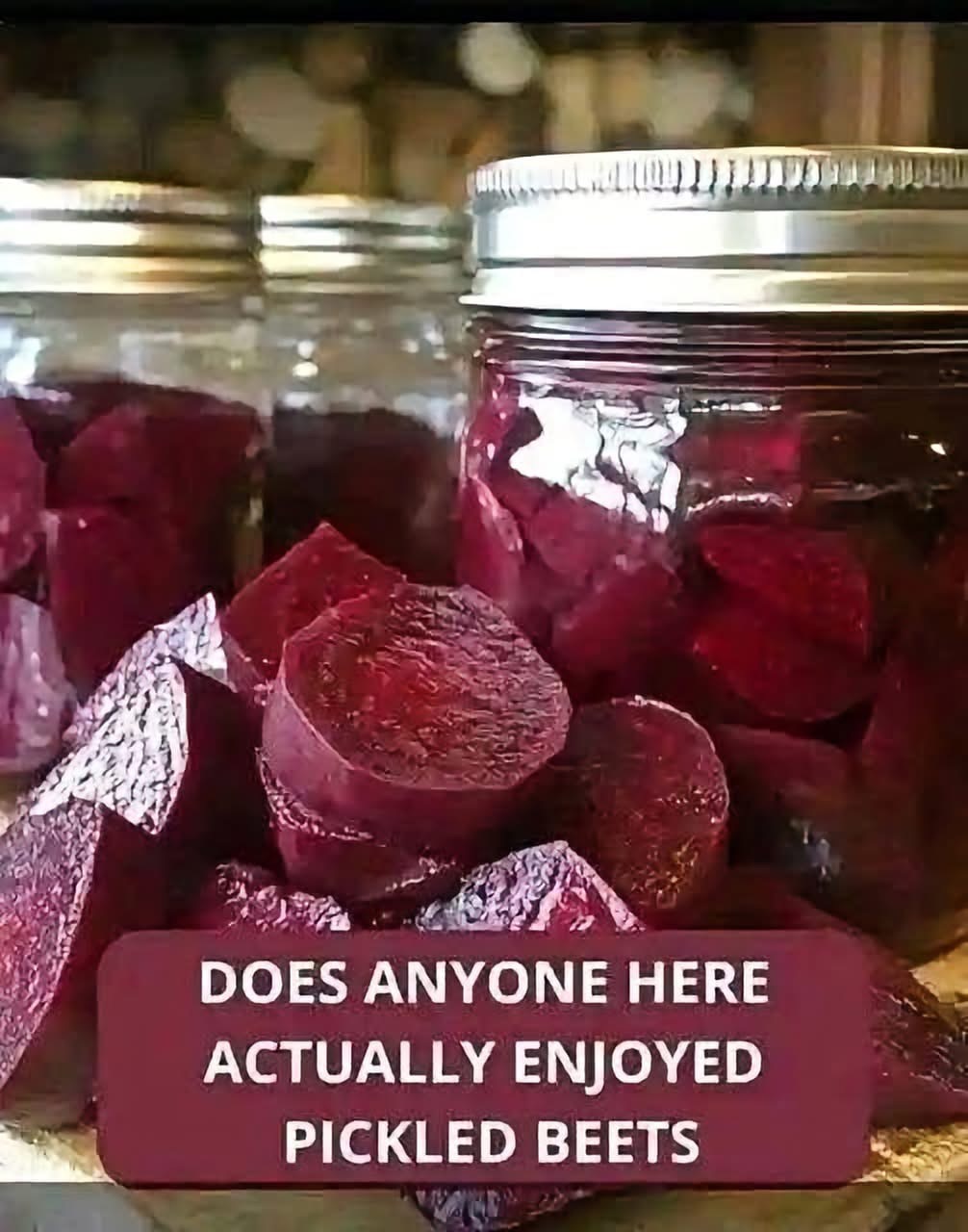
Pickled beets are a colorful and flavorful food enjoyed in many parts of the world. Made from beets preserved in a vinegar-based brine or prepared through fermentation, they offer a distinctive sweet, earthy, and tangy taste. Their deep red or purple color also makes them an attractive addition to salads, sandwiches, grain bowls, and everyday meals.
Beets are known for their naturally occurring nutrients, including folate, potassium, and plant compounds called betalains, which contribute to their characteristic color. Pickling changes the flavor and may affect some nutrients, while the amount of sodium and added sugar depends on the recipe.
Although pickled beets can be part of a balanced diet, they are not a miracle food or a treatment for medical conditions. Understanding their nutritional value, preparation methods, and storage requirements can help you enjoy them safely.
What Are Pickled Beets
Pickled beets are beets that have been cooked or otherwise prepared and preserved in a pickling liquid. The liquid commonly contains vinegar, water, salt, and sometimes sugar and spices.
Beets are root vegetables that may have red, purple, golden, or striped flesh, depending on the variety. Red beets are especially common in pickling because they retain their striking color and earthy flavor.
There are two main approaches to making pickled beets.
Vinegar Pickled Beets
Vinegar pickling uses an acidic liquid to create the characteristic tangy flavor. Many homemade refrigerator recipes use cooked beets, vinegar, water, seasonings, and optional sugar.
The acidity of the recipe and the storage method are important for food safety. A refrigerator recipe should be kept refrigerated and should not be treated as shelf-stable canned food.
Fermented Beets
Fermented beets are prepared using beneficial microorganisms that convert naturally occurring sugars into acids and other compounds. The flavor can be more complex and sometimes less sweet than vinegar-pickled beets.
Fermentation requires an appropriate method, suitable salt levels, clean equipment, and correct temperature control. A jar of beets sitting in liquid is not automatically a safely fermented product.
Nutritional Value of Pickled Beets
The nutritional composition of pickled beets depends on the ingredients, portion size, cooking method, and preservation technique.
Beets naturally provide several nutrients and plant compounds.
Folate
Folate is a B vitamin that helps the body produce DNA and supports normal cell division. Beets contribute some folate to the diet, although the amount remaining in a pickled serving depends on how the beets are prepared.
Potassium
Potassium is an essential mineral involved in normal muscle function, nerve signaling, and fluid balance. Beets contain potassium, but the amount in a particular serving of pickled beets can vary.
People who need to limit potassium for medical reasons should follow their healthcare professional’s dietary advice.
Dietary Fiber
Beets contain dietary fiber, which contributes to normal digestive function. Eating the vegetable itself provides more fiber than consuming only the pickling liquid.
Cooking and pickling do not necessarily remove all the fiber from the vegetable, although the final nutritional profile depends on the preparation.
Betalains and Other Plant Compounds
Red beets contain betalains, pigments responsible for much of their red and purple color. These compounds have attracted scientific interest because of their antioxidant activity in laboratory research.
However, the presence of these pigments does not prove that pickled beets prevent disease or produce a particular medical outcome. Human health effects depend on many factors, including the overall diet and the amount consumed.
Sodium and Added Sugar
Unlike fresh beets, pickled beets may contain significant amounts of sodium because salt is commonly used in the pickling liquid. Some recipes also add sugar to balance the earthy flavor and acidity.
People monitoring sodium or added sugar should check product labels or adjust their refrigerator-pickle recipes where appropriate. A lower-sodium or less-sweet version may suit some dietary preferences, but the recipe must still be safe for its intended storage method.
Potential Benefits of Eating Pickled Beets
Pickled beets can contribute variety to a balanced eating pattern. Their potential benefits should be understood in the context of the whole diet rather than as guaranteed effects from one food.
1. They Help Add Vegetables to Meals
One practical advantage of pickled beets is that they make vegetables convenient and flavorful. Their tangy taste can complement beans, leafy greens, whole grains, eggs, and other foods.
Adding a variety of vegetables to meals is a useful way to increase dietary diversity. Pickled beets can be one option alongside fresh, frozen, and cooked vegetables.
2. They Provide Naturally Occurring Plant Compounds
Beets contain betalains and other plant compounds. Research has examined these substances for antioxidant activity and other possible biological effects.
Much of this research does not specifically study ordinary servings of pickled beets. Therefore, findings from beetroot juice, concentrated extracts, or laboratory experiments should not automatically be applied to pickled beets.
3. They Contribute Some Essential Nutrients
Depending on the recipe, pickled beets can provide folate, potassium, and fiber. These nutrients support normal body functions as part of a balanced diet.
However, the amount supplied by a typical serving may be modest. Pickled beets should complement other nutrient-rich foods rather than replace a varied diet.
4. They Can Make Meals More Enjoyable
A food’s taste, texture, and convenience can influence whether people include it in their meals. Pickled beets offer a sweet-and-sour flavor that can make simple dishes more appealing.
For example, a small portion can add color and acidity to a lentil salad or a sandwich. This culinary benefit does not depend on making medicinal claims.
5. They Can Be Convenient
Commercially prepared pickled beets are often ready to serve, making them a convenient addition to quick meals. Homemade refrigerator pickles can also be useful when prepared and stored correctly.
Convenience should not be confused with unlimited shelf life. Once opened, commercial products should be handled according to the label, while homemade refrigerator versions need appropriate refrigeration and should be consumed within the recommended period.
Do Pickled Beets Support Heart Health
Beets have attracted attention in nutrition research because they contain naturally occurring nitrate and other plant compounds. Some studies of beetroot juice have examined effects on blood pressure.
However, beetroot juice, fresh beets, and pickled beets are different preparations. The amount of nitrate and other compounds can vary substantially, and results from one form cannot automatically be applied to another.
It is therefore not accurate to promise that eating pickled beets will lower blood pressure or prevent heart disease. People concerned about cardiovascular health can benefit from a balanced dietary pattern, regular physical activity, and appropriate medical care.
Pickled beets can fit into such a diet, but their sodium content is worth considering, especially for people advised to limit salt.
Are Pickled Beets Good for Digestion
Beets contain fiber, which contributes to normal bowel function. Eating a variety of fiber-containing vegetables, fruits, legumes, and whole grains can help support digestive health.
The amount of fiber in pickled beets depends on the serving and preparation method. Eating the beet pieces provides more fiber than drinking only the liquid.
Fermented beets may contain microorganisms and fermentation products that differ from those found in vinegar-pickled beets. However, not every pickled product contains live cultures, particularly when it has been pasteurized or preserved with vinegar.
Pickled beets should not be presented as a guaranteed treatment for constipation, bloating, or other digestive conditions. Persistent symptoms deserve appropriate medical assessment.
How to Make Simple Refrigerator Pickled Beets
A refrigerator-pickle recipe is a convenient way to enjoy beets with a tangy flavor. This recipe is intended for refrigerated storage, not for keeping jars at room temperature.
Ingredients
- 2 to 3 medium beets
- 1 cup of commercially prepared vinegar with a clearly stated acidity of 5%
- 1 cup of water
- Optional spices, such as a small amount of black pepper or a bay leaf
- Sugar and salt according to taste, if desired
Preparation Method
Step 1: Wash the beets.
Rinse the beets thoroughly under clean running water and remove visible dirt. Trim the leaves and stems, leaving enough stem to help reduce color loss during cooking.
Step 2: Cook the beets.
Boil or steam the beets until tender. Cooking time depends on their size. Allow them to cool enough to handle safely.
Step 3: Peel and slice.
Remove the skins and cut the beets into slices or bite-sized pieces using clean utensils.
Step 4: Prepare the pickling liquid.
Combine the vinegar and water in a saucepan. Add optional spices and any desired seasoning. Heat the mixture until hot and stir to dissolve any added sugar or salt.
This simple refrigerator recipe is not a validated shelf-stable canning formula. Do not change the vinegar-to-water ratio and then store the jars at room temperature.
Step 5: Fill a clean container.
Place the prepared beets in a clean, food-safe glass container. Pour the hot pickling liquid over them, ensuring the pieces are covered.
Step 6: Cool and refrigerate.
Allow the container to cool appropriately, then cover and refrigerate promptly. Keep the beets refrigerated and use clean utensils whenever serving them.
For best results, follow a tested recipe from a reputable food-preservation authority for exact ingredient ratios, handling instructions, and storage duration. Never assume that a homemade refrigerator pickle is shelf-stable simply because it contains vinegar.
How to Use Pickled Beets in Everyday Meals
Pickled beets are versatile and can be served in many simple dishes.
Add Them to Salads
Combine sliced pickled beets with leafy greens, chickpeas, cucumber, and a small amount of olive oil. Their acidity can provide flavor without requiring a large amount of dressing.
Serve Them With Sandwiches
Thin slices of pickled beets can add color and a tangy taste to sandwiches or wraps. They pair well with leafy greens, beans, eggs, and many other ingredients.
Combine Them With Grains
Add a modest portion of pickled beets to a bowl of brown rice, quinoa, lentils, or other grains. Include a protein source and additional vegetables to make a more balanced meal.
Serve Them as a Side Dish
Pickled beets can be served in small portions alongside a main meal. Their strong flavor means that a little can be enough to make a dish more interesting.
Blend Them Into Recipes
Beets can be blended into dips and sauces, although adding pickling liquid may increase the acidity and saltiness. Taste the mixture as you prepare it and consider the sodium content of the ingredients.
Safety Tips for Buying and Storing Pickled Beets
Safe storage is essential for both homemade and commercially prepared pickled vegetables.
Choose Reliable Products
When purchasing pickled beets, check the packaging for damage, leaks, unusual swelling, or a broken seal. Avoid products that appear compromised.
Read the ingredient list and nutrition label if you need to monitor sodium, added sugar, or other ingredients.
Refrigerate After Opening
Follow the manufacturer’s instructions about refrigeration and use after opening. Keep the lid tightly closed and use clean utensils to reduce contamination.
Treat Homemade Refrigerator Pickles as Perishable
Homemade refrigerator pickles are not automatically safe for long-term room-temperature storage. Keep them refrigerated and follow a tested recipe’s storage recommendations.
Do Not Taste Suspicious Food
Discard pickled beets if you notice mold, unexpected changes in appearance, leakage, unusual bubbling, or other signs of spoilage. Do not taste food to determine whether it is safe.
For home canning, use a tested recipe designed specifically for beets and follow the recommended processing method. Ordinary refrigerator-pickle instructions must not be substituted for validated canning instructions.
Who Should Be Careful With Pickled Beets
Pickled beets are suitable for many people as part of a varied diet, but some individuals may need to pay attention to portion size or ingredients.
People Limiting Sodium
Commercial and homemade pickled beets can contain salt. People who have been advised to limit sodium should check the label or choose an appropriate recipe.
People Monitoring Added Sugar
Some products contain added sugar to create a sweeter flavor. Compare labels if you prefer to reduce added sugars.
People With Specific Medical Dietary Restrictions
People with kidney disease or other conditions requiring restrictions on potassium or sodium should follow individualized medical advice. The appropriate amount can differ from one person to another.
People Prone to Kidney Stones
Beets contain oxalates, which are relevant to some people with calcium oxalate kidney stones. Whether a particular food needs to be limited depends on individual circumstances and clinical advice. People with a history of kidney stones should ask their healthcare professional whether dietary oxalate restriction is appropriate for them.
Common Myths About Pickled Beets
Myth 1 Pickled Beets Detoxify the Body
There is no good evidence that pickled beets remove unspecified toxins from the body. The liver, kidneys, and other physiological systems perform essential functions involved in processing and eliminating waste.
Myth 2 They Cure High Blood Pressure
Research on some beetroot preparations has examined blood pressure, but that does not prove that pickled beets treat hypertension. Their sodium content may also be important for people managing blood pressure.
Myth 3 All Pickled Beets Contain Probiotics
Vinegar-pickled beets are not necessarily fermented and may not contain live beneficial microorganisms. Pasteurized products may also lack live cultures.
Myth 4 Homemade Pickled Beets Can Always Be Stored in a Pantry
A refrigerator-pickle recipe is not the same as a validated canning recipe. Safe room-temperature storage requires an appropriate tested formula and processing method.
Myth 5 Eating More Always Provides More Benefits
A balanced diet is about variety and appropriate portions. Eating excessive amounts of a salty or sweetened product may not be helpful, particularly for people with specific dietary needs.
Frequently Asked Questions
Are pickled beets healthy?
They can be part of a balanced diet and provide some nutrients from beets. Their overall nutritional value depends on the recipe, serving size, sodium, and added sugar.
Are pickled beets as nutritious as fresh beets?
Not necessarily. Cooking and preservation can change certain nutrients, and pickled products may contain additional sodium or sugar. Both can fit into a balanced diet, depending on individual preferences and needs.
Can I eat pickled beets every day?
A modest serving may fit into many people’s diets, but the best amount depends on the product’s sodium and sugar content and your personal health needs. Follow medical dietary advice if you have a condition that requires specific restrictions.
Do pickled beets contain probiotics?
Only some fermented products may contain live microorganisms. Ordinary vinegar-pickled beets should not automatically be considered a probiotic food.
Why do pickled beets sometimes turn the urine or stool reddish?
Beet pigments can sometimes temporarily give urine or stool a reddish color. However, red or bloody-looking urine or stool should not automatically be attributed to beets, especially if it persists, recurs, or occurs with pain or other symptoms. Seek medical advice when in doubt.
Can pickled beets be stored outside the refrigerator?
Only products processed and labeled for shelf-stable storage should be kept at room temperature according to their instructions. Homemade refrigerator pickles should remain refrigerated.
Final Thoughts
Pickled beets are a flavorful way to enjoy a familiar root vegetable. They can contribute variety, some nutrients, and naturally occurring plant compounds to everyday meals. Their sweet-and-sour flavor also makes them a useful addition to salads, sandwiches, grain bowls, and side dishes.
Their benefits should not be exaggerated. Pickled beets are not a detox remedy or a guaranteed treatment for high blood pressure, digestive problems, or other diseases. The nutritional profile also depends on the ingredients, particularly the amount of salt and added sugar.
Choose reliable products, store them correctly, and follow tested food-preservation guidance when preparing them at home. Enjoyed in sensible portions as part of a varied diet, pickled beets can be a practical and enjoyable food choice.
Disclaimer: This article is for general educational purposes only and does not replace personalized medical or nutritional advice.