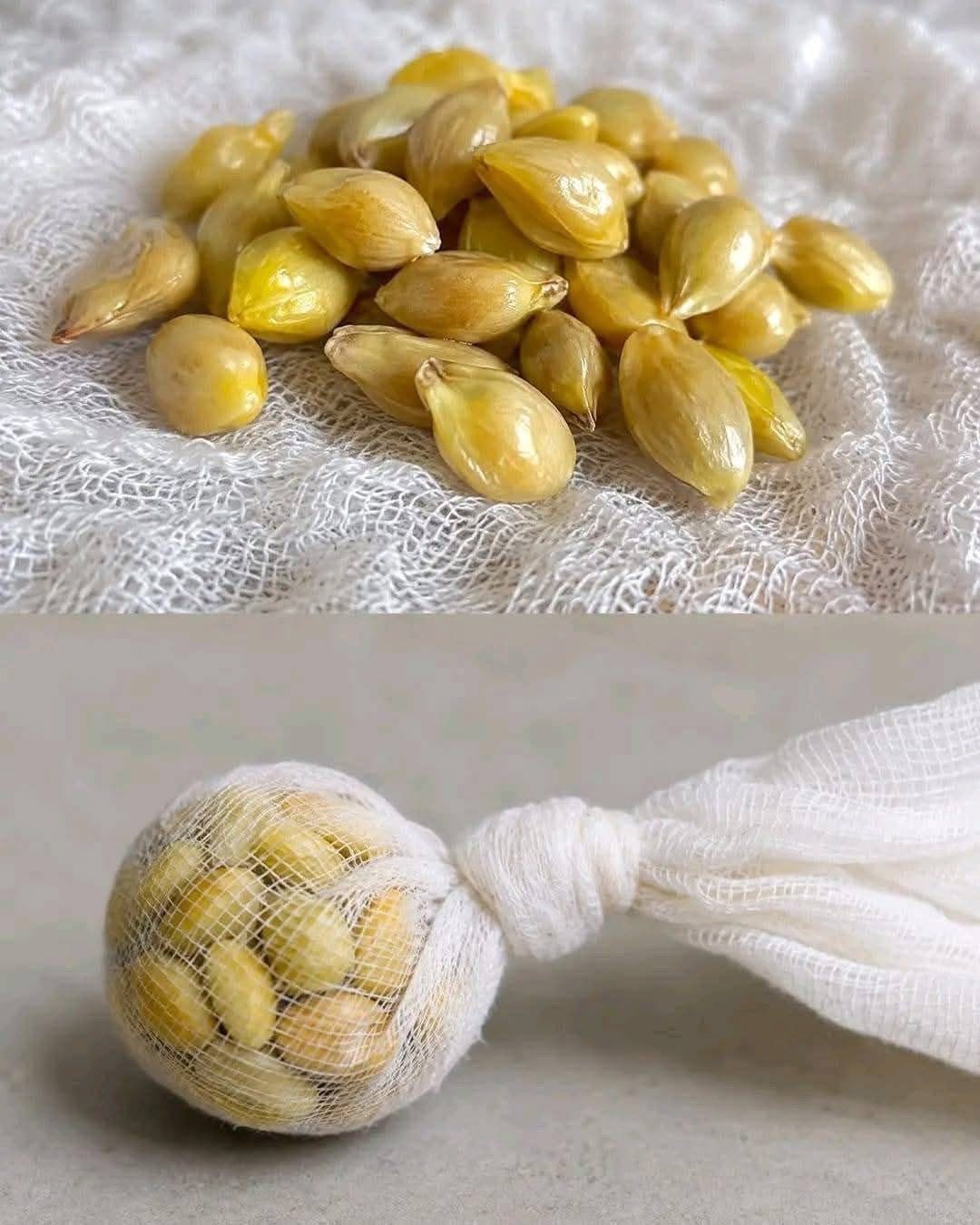
When you squeeze a fresh lemon, the seeds are usually one of the first things to end up in the trash. But before throwing them away, consider giving them a second use.
Lemon seeds can be useful for simple gardening projects, creative activities, and reducing household food waste. One of the easiest things to do with them is try to grow a lemon plant at home.
Growing a lemon tree from seed takes patience, but it can be an enjoyable project for beginners. You only need a few fresh seeds, a small container, suitable soil, water, and a bright place to grow your plant.
Why Save Lemon Seeds
Lemons are commonly used for cooking, drinks, desserts, sauces, and homemade recipes. After squeezing the juice, the seeds are often discarded without a second thought.
Saving the seeds gives you another option.
Instead of throwing them away, you can use them for a small gardening experiment. Watching a seed develop into a young plant can also be a fun activity for adults and children.
Saving lemon seeds is not a magical health trick, and there is no need to make exaggerated claims about them. Their most practical benefit is simply that they can potentially be used to grow a lemon plant.
How to Collect Lemon Seeds
Start with a fresh lemon.
Cut the lemon and squeeze the juice as you normally would. Pick out the seeds and place them in a small bowl.
Choose seeds that look whole and healthy. Avoid seeds that are badly damaged or crushed.
Once you have collected the seeds, rinse them gently with clean water. Try to remove as much lemon pulp as possible from their surface.
Cleaning the seeds is a useful preparation step before planting.
How to Prepare Lemon Seeds
After washing the seeds, place them on a clean paper towel.
Gently pat them to remove excess moisture.
Some people remove the thin outer coating from the seed before planting. This can be done carefully, but it is not essential for a simple home experiment.
If you decide to remove the coating, be careful not to damage the seed underneath.
For beginners, planting clean seeds without removing the coating can be the easiest approach.
How to Plant Lemon Seeds
Choose a small plant pot with drainage holes at the bottom.
Fill it with good-quality potting soil.
Make a small hole in the soil and place the lemon seed inside. Cover it lightly with soil.
Do not bury the seed too deeply.
After planting, water the soil gently. The soil should be moist but not soaked.
Place the pot somewhere warm and bright.
Now the most important ingredient is patience.
Give the Seed Enough Light
Once the seed begins to grow, light becomes especially important.
Place the pot in a bright location where the developing plant can receive plenty of natural light.
If you keep the plant indoors, a bright area near a suitable window can be a good starting point.
Rotate the pot occasionally so that the plant does not grow strongly toward only one direction.
If the leaves appear weak or the plant grows very slowly, consider whether it is receiving enough light.
Keep the Soil Moist
Young plants need water, but too much water can be just as problematic as too little.
Check the soil regularly.
If the surface feels dry, add a small amount of water. Avoid leaving the pot sitting in water.
Good drainage is important because excess moisture can create unfavorable conditions for the developing roots.
A simple watering routine is usually better than adding large amounts of water at once.
Be Patient With the Growing Process
One of the biggest mistakes beginners make is expecting a lemon seed to become a tree quickly.
Growing a plant from seed takes time.
The first stage is germination. After that, the seedling needs time to develop roots, stems, and leaves.
A small lemon seedling will not immediately produce fruit.
If your goal is eventually to grow lemons, remember that a plant grown from seed can take a long time to mature. It may also have characteristics that differ from the original lemon.
For this reason, growing lemon seeds is best viewed as a gardening project rather than a quick way to produce fruit.
Can Lemon Seeds Be Grown Indoors
Yes, lemon seeds can be started indoors in a suitable container.
Indoor growing can make it easier to control the environment, especially when outdoor temperatures are unsuitable.
Choose a container that allows excess water to drain away.
As the plant grows, it may eventually need to be transferred to a larger container.
A young lemon plant can become a decorative addition to a bright room, balcony, patio, or garden depending on your local climate.
What About Lemon Peel
If you are already saving lemon seeds, you may also want to make use of the lemon peel.
Lemon zest can add a fresh citrus flavor to many recipes, including cakes, cookies, sauces, marinades, and salad dressings.
The peel can also be used for decorative purposes or certain homemade household projects.
Always wash lemons thoroughly before using the peel in food.
It is important to remember that seeds and peel have different uses. The seeds are mainly interesting for gardening, while the peel is more commonly used for flavor and aroma.
Lemon Seeds for a Simple Gardening Activity
Growing lemon seeds can be a fun activity for children when supervised by an adult.
Collect several seeds from a fresh lemon.
Clean them and place them in a small pot.
Water the soil lightly and place the pot somewhere bright.
Then observe the plant regularly.
Children can keep track of when the first shoot appears, how many leaves develop, and how tall the plant becomes.
This turns an ordinary kitchen ingredient into a simple lesson about plants and growth.
Why Some Seeds May Not Grow
Not every lemon seed will necessarily become a successful plant.
Seeds can vary in quality, and growing conditions also make a difference.
A seed may fail to germinate because it is damaged, too old, or exposed to unsuitable conditions.
Temperature, moisture, soil, light, and drainage can all influence the growing process.
For this reason, planting several seeds can be more practical than relying on only one.
If one seed does not grow, another may still develop successfully.
Common Mistakes to Avoid
Using Too Much Water
Constantly wet soil can create poor conditions for young roots.
Water moderately and make sure your container has drainage holes.
Planting Too Deep
A small seed does not need to be buried very deeply.
Cover it with a light layer of soil.
Keeping the Plant in Darkness
Once the seedling emerges, it needs suitable light to continue developing.
Choose a bright location.
Expecting Fruit Quickly
A lemon seedling needs time to mature. Growing a plant from seed is a long-term project.
Damaging the Seed
When cleaning or preparing the seeds, handle them gently. A damaged seed may have difficulty developing.
Can You Store Lemon Seeds
If your goal is to grow a lemon plant, using fresh seeds is generally a convenient option.
After removing them from the fruit, clean them and prepare them for planting.
If you need to wait before planting, keep them clean and dry for a short period. However, there is little reason to store large quantities of seeds when fresh lemons are readily available.
For the best gardening experiment, collect fresh seeds and plant them when you are ready.
A Simple Lemon Seed Growing Routine
You can follow this simple routine:
Day 1: Collect and clean several fresh lemon seeds.
Day 1: Prepare a small pot with suitable soil and drainage.
Day 1: Plant the seeds and lightly water the soil.
Following days: Keep the soil appropriately moist.
Regularly: Place the pot in a bright location and observe the soil and plant.
After germination: Continue providing suitable light and moderate watering.
As the plant becomes larger, consider moving it to a larger container if its roots require additional space.
Important Things to Remember
Lemon seeds are primarily useful as a gardening material. They should not be promoted as a treatment for diseases or as a replacement for medical care.
There are many social media posts claiming that lemon seeds can cure illnesses, detoxify the body, burn fat, or provide extraordinary health effects. Such claims should be treated carefully unless they are supported by reliable scientific evidence.
The simple gardening use is much easier to explain and does not require exaggerated promises.
Final Thoughts
The next time you squeeze a lemon, think twice before throwing away the seeds.
With a little preparation, you can turn them into a simple home gardening project. Clean the seeds, plant them in suitable soil, provide appropriate moisture and light, and give them enough time to develop.
Not every seed will grow, and a lemon plant grown from seed requires patience. However, the process can be enjoyable and educational.
Saving lemon seeds is also a small way to reduce food waste and make more use of something that would normally be discarded.
So before the next lemon seed goes into the trash, consider planting it instead. You may be surprised to see what a small seed can eventually become. 🍋🌱