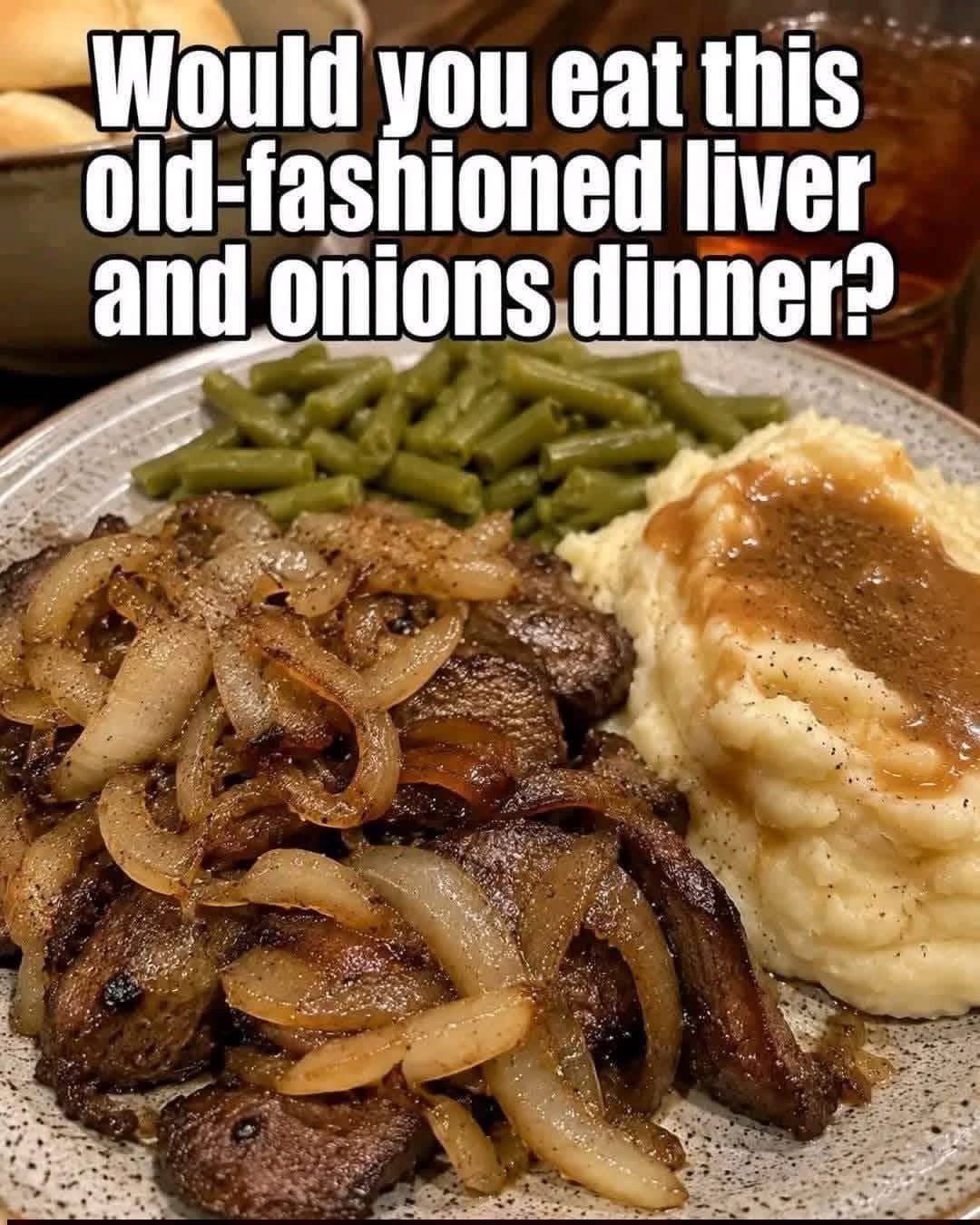
Liver and onions is a classic comfort food that has been enjoyed for generations. The combination of tender cooked liver, sweet onions, creamy mashed potatoes, green beans, and flavorful gravy creates a filling and satisfying meal that many people remember from traditional home cooking.
Although liver may not be as commonly eaten today as chicken breast, beef steak, or other cuts of meat, it remains one of the most nutrient dense animal foods. Liver provides protein along with important vitamins and minerals such as vitamin B12, vitamin A, iron, folate, copper, and riboflavin.
At the same time, liver is a food that is best enjoyed in moderation because it contains very high amounts of certain nutrients. The way it is prepared also makes a difference. A traditional liver and onions dinner can be part of a balanced diet when portions are reasonable and the meal includes vegetables and other nutritious foods.
What Is Liver and Onions
Liver and onions is a traditional dish made by cooking liver with sliced onions and seasoning.
Depending on the recipe, the liver may be lightly coated in flour before being pan fried. Onions are usually cooked until soft and golden, creating a naturally sweet flavor that balances the rich taste of the liver.
The dish is often served with mashed potatoes, gravy, green beans, peas, or other vegetables.
Different cultures use different types of liver, including beef liver, calf liver, pork liver, and chicken liver. The nutritional content varies depending on the type.
Why Liver Is Considered Nutrient Dense
Liver is an organ meat, and unlike many muscle meats, it stores substantial amounts of certain vitamins and minerals.
A relatively small serving can provide significant amounts of vitamin B12, vitamin A, iron, copper, folate, and other nutrients.
This is one reason liver has traditionally been valued as a nutrient rich food.
However, because the concentrations are high, eating large quantities is not necessary to obtain nutritional benefits.
Liver is better viewed as an occasional food that can complement a varied diet.
Liver Provides High Quality Protein
Protein is an important part of a healthy diet.
It helps maintain muscles, supports tissue repair, contributes to enzymes and hormones, and plays many other roles throughout the body.
Liver provides complete animal protein, meaning it contains the essential amino acids the body needs from food.
Including a moderate serving of liver in a meal can therefore contribute to daily protein intake.
The mashed potatoes and vegetables served alongside it provide carbohydrates, fiber, vitamins, minerals, and additional nutrients, creating a more complete meal.
Liver Is Rich in Vitamin B12
Vitamin B12 is one of the nutrients for which liver is especially well known.
Vitamin B12 is required for normal red blood cell formation, DNA production, and healthy nervous system function.
Animal foods are important sources of vitamin B12, and liver contains particularly concentrated amounts.
Adequate vitamin B12 is important because a deficiency can contribute to anemia and neurological problems.
For people who consume animal products, liver can therefore be a useful source of this vitamin.
However, there are many other sources of vitamin B12, including meat, fish, eggs, dairy products, and fortified foods.
Liver and Iron
Iron is another important nutrient found in liver.
The body uses iron to make hemoglobin, which carries oxygen through the blood.
Iron also participates in energy production and several other biological processes.
A diet that provides enough iron can help maintain normal oxygen transport and support overall health.
Liver can be particularly useful as an iron rich food, but iron deficiency should not be diagnosed simply because someone feels tired.
Persistent fatigue, weakness, shortness of breath, or other concerning symptoms should be discussed with a healthcare professional.
Blood tests can help determine whether iron deficiency or another condition is responsible.
Liver Contains Vitamin A
Liver is exceptionally rich in preformed vitamin A.
Vitamin A plays important roles in normal vision, immune function, skin health, and cell growth.
The high vitamin A content is one of the main reasons liver is considered so nutrient dense.
However, this is also why moderation is important.
Unlike beta carotene from foods such as carrots and sweet potatoes, preformed vitamin A can accumulate in the body when consumed in excessive amounts.
Regularly eating very large portions of liver or combining frequent liver consumption with high dose vitamin A supplements may result in excessive intake.
Liver and Folate
Folate is another nutrient provided by liver.
Folate is involved in DNA synthesis and normal cell division.
It is especially important during pregnancy and periods of rapid growth.
Although liver can contribute substantial folate, it should not be the only source of this nutrient.
Leafy green vegetables, beans, lentils, asparagus, avocado, citrus fruits, and fortified grain products can also contribute folate to the diet.
A varied eating pattern provides a broader range of nutrients.
Liver Provides Copper
Copper is an essential trace mineral found in relatively high amounts in liver.
The body uses copper for several important functions, including iron metabolism, energy production, connective tissue formation, and nervous system function.
Because liver contains concentrated amounts of copper, large servings are unnecessary.
As with vitamin A, the goal should be balance rather than consuming as much liver as possible.
The Role of Onions
Onions are more than just a flavorful addition to liver.
They provide small amounts of vitamins, minerals, fiber, and naturally occurring plant compounds.
Cooking onions slowly allows their natural sweetness to develop, making them an excellent complement to the rich flavor of liver.
Onions also make it possible to create a flavorful dish without relying entirely on heavy sauces or excessive seasoning.
Adding vegetables such as green beans to the meal can further increase its nutritional variety.
Why Mashed Potatoes Are a Popular Side
Mashed potatoes are a traditional accompaniment to liver and onions.
Potatoes provide carbohydrates, which are an important source of energy.
They also contain potassium and other nutrients.
The nutritional profile of mashed potatoes depends heavily on how they are prepared.
Adding large quantities of butter, cream, cheese, or gravy can significantly increase calories and saturated fat.
A lighter mashed potato preparation can provide a nutritious carbohydrate source while keeping the overall meal more moderate.
Green Beans Add Balance
Green beans are another classic side dish for liver and onions.
They provide fiber and several vitamins and minerals while adding color and texture to the plate.
Including vegetables alongside liver and potatoes makes the meal more balanced.
A simple serving of steamed or lightly cooked green beans can complement the richer components of the dinner without adding large amounts of calories.
Other vegetables can also be used, including carrots, broccoli, peas, cabbage, spinach, or a fresh salad.
Is Liver and Onions Healthy
Liver and onions can be part of a healthy eating pattern, but the answer depends on the ingredients, cooking method, and portion size.
The liver itself is extremely nutrient dense.
Onions and vegetables add additional nutrients and fiber.
However, a recipe containing large amounts of butter, oil, flour, gravy, salt, and creamy mashed potatoes can become much higher in calories and saturated fat.
This does not mean the traditional meal needs to be avoided.
Instead, portion control and preparation methods can make a significant difference.
How to Prepare Liver and Onions
A traditional liver and onions meal can be prepared with relatively simple ingredients.
Ingredients
- Liver of your choice
- Fresh onions
- A small amount of cooking oil
- Black pepper
- A moderate amount of salt
- Optional flour for coating
- Optional herbs
- Mashed potatoes
- Green beans or another vegetable
Preparation
Begin by preparing the onions.
Slice them thinly and cook them gently in a pan until they become soft and lightly browned.
Remove the onions temporarily and prepare the liver.
If using flour, lightly coat the liver rather than applying a thick layer.
Heat a small amount of oil in the pan and cook the liver thoroughly according to the type and thickness of the meat.
Return the onions to the pan and combine them with the cooked liver.
Season according to taste.
Serve with mashed potatoes and a vegetable such as green beans.
Always follow safe food handling practices when preparing raw liver.
Why Proper Cooking Matters
Liver is an animal product and should be handled carefully.
Raw meat and poultry can contain harmful microorganisms.
Use separate utensils and cutting boards for raw and ready to eat foods when possible.
Wash your hands and kitchen surfaces after handling raw liver.
Cook liver thoroughly and use safe food preparation practices.
This is especially important for children, older adults, pregnant people, and individuals with weakened immune systems.
Can Liver Help With Anemia
Because liver contains iron, vitamin B12, and folate, it is sometimes described as a food that can help with anemia.
There is nutritional reasoning behind this claim because these nutrients are involved in normal red blood cell production.
However, anemia has many possible causes.
Iron deficiency is one cause, but anemia can also result from vitamin B12 deficiency, folate deficiency, chronic disease, blood loss, inherited conditions, and other medical problems.
Therefore, liver should not be considered a cure for anemia.
Anyone experiencing symptoms of anemia should seek medical evaluation to determine the cause and receive appropriate treatment.
Liver and Energy
The nutrients found in liver contribute to normal energy metabolism.
Iron is involved in oxygen transport, while vitamin B12 and folate are important for blood and cellular functions.
If a person has a deficiency of one of these nutrients, correcting that deficiency can improve health and energy levels.
However, eating liver does not provide an instant energy boost in the way that social media claims sometimes suggest.
Long term energy depends on adequate nutrition, sleep, physical activity, hydration, and overall health.
Liver and Eye Health
Vitamin A is essential for normal vision.
Because liver contains a large amount of vitamin A, it can contribute significantly to dietary vitamin A intake.
However, eating excessive liver will not restore vision or cure eye diseases.
Vision changes should always be evaluated by an eye care professional.
Conditions such as cataracts, glaucoma, diabetic eye disease, and other vision problems require appropriate diagnosis and treatment.
Food can support normal nutrition, but it cannot replace professional eye care.
Liver and Immune Function
Several nutrients found in liver contribute to normal immune function.
Vitamin A is involved in immune system processes, while vitamin B12, folate, iron, and other nutrients support normal cellular functions.
Eating a varied diet that provides adequate amounts of these nutrients can help support normal health.
However, no single food can guarantee protection against infections.
A healthy immune system depends on overall nutrition, adequate sleep, physical activity, vaccinations when appropriate, and other healthy habits.
How Often Should You Eat Liver
Because liver is so concentrated in vitamin A and copper, there is usually no need to eat it every day.
Many people can enjoy liver as an occasional part of a varied diet.
The appropriate frequency depends on the type of liver, portion size, the rest of the diet, and individual health circumstances.
People who take vitamin A supplements or consume other organ meats regularly should be especially mindful of total intake.
Liver During Pregnancy
Pregnancy is a time when vitamin A intake requires particular attention.
Liver contains high amounts of preformed vitamin A, and excessive intake during pregnancy can be harmful to the developing baby.
For this reason, pregnant people should not assume that liver is automatically beneficial simply because it is rich in nutrients.
Anyone who is pregnant or planning pregnancy should discuss liver consumption and vitamin A intake with a healthcare professional.
Fried Liver Versus Lightly Cooked Liver
The cooking method can have a significant effect on the overall meal.
Deep frying can increase calorie content because of the amount of oil absorbed during cooking.
A heavy flour coating can also add carbohydrates and calories.
Lightly pan cooking liver with a small amount of oil may create a lower calorie meal.
Baking or other cooking methods can also be considered.
The best choice depends on personal preference and dietary goals.
How to Make Liver and Onions More Balanced
A few simple changes can make the traditional meal fit more easily into a balanced diet.
Use a moderate portion of liver.
Cook onions with a reasonable amount of oil.
Avoid excessive amounts of butter and creamy sauces.
Serve a generous portion of vegetables.
Keep gravy portions moderate.
Consider lighter mashed potatoes if you are trying to reduce calories.
Use herbs and spices to add flavor instead of relying heavily on salt.
These changes allow you to enjoy the traditional flavors while maintaining a more balanced meal.
The Importance of Portion Size
Because liver is highly concentrated in certain nutrients, portion size matters.
Eating a small or moderate serving provides plenty of nutrients without requiring a large quantity.
A common mistake with nutrient dense foods is assuming that eating more automatically produces more health benefits.
That is not always the case.
The body requires nutrients within certain ranges, and excessive intake of some nutrients can cause problems.
Liver is a good example of why variety and moderation are important.
Can You Eat Liver Every Day
Eating liver every day is generally unnecessary.
Even though liver contains valuable nutrients, consuming it frequently can result in excessive intake of vitamin A and copper.
A varied diet can provide the same broad nutritional foundation through many different foods.
Meat, fish, eggs, dairy products, vegetables, fruits, legumes, nuts, seeds, and whole grains can all contribute important nutrients.
Liver can simply be one part of that larger dietary pattern.
What Makes This Dinner Comfort Food
Liver and onions is more than a nutrient rich meal for many people.
It is also associated with traditional home cooking and family recipes.
The combination of browned onions, savory liver, mashed potatoes, gravy, and vegetables creates a warm and familiar dinner.
Many classic recipes were designed around inexpensive ingredients that could feed an entire family.
Today, the dish can still be enjoyed while making small adjustments to fit modern nutritional preferences.
Common Myths About Liver
One common myth is that liver can cure anemia.
Although it provides nutrients involved in red blood cell production, anemia requires diagnosis and appropriate treatment.
Another claim is that eating liver can dramatically improve eyesight.
Liver provides vitamin A, which supports normal vision, but it cannot cure eye diseases.
Some people also believe that because liver is highly nutritious, eating very large amounts must be healthier.
This is incorrect.
The high concentration of vitamin A and copper makes moderation particularly important.
Frequently Asked Questions
Is liver and onions a healthy meal
It can be part of a balanced diet. Liver is highly nutritious, while onions and vegetables add additional nutrients. The total nutritional profile depends on portion size and how much oil, butter, flour, and gravy are used.
Is liver high in iron
Yes. Liver is a rich source of iron and can contribute significantly to dietary iron intake.
Is liver high in vitamin B12
Yes. Liver is one of the richest natural food sources of vitamin B12.
Is liver high in vitamin A
Yes. Liver contains a very high amount of preformed vitamin A, which is why large amounts should not be consumed regularly.
Can liver cure anemia
No. Liver can provide iron, vitamin B12, and folate, but anemia can have many causes. Medical evaluation is important when anemia is suspected.
Can liver improve eyesight
Vitamin A is essential for normal vision, and liver provides plenty of it. However, eating liver does not cure cataracts, glaucoma, or other eye diseases.
Can pregnant women eat liver
Pregnant people should be cautious because liver contains high levels of preformed vitamin A. It is best to discuss liver consumption with a healthcare professional during pregnancy.
Is fried liver healthy
Fried liver can be enjoyed occasionally, but frying and breading can increase calories and fat. Lightly cooking the liver can be a lower calorie alternative.
Can children eat liver
Children can have different nutritional requirements from adults, and liver contains very high amounts of vitamin A. Parents should consider age appropriate portions and discuss frequent liver consumption with a pediatric healthcare professional.
Final Thoughts
Old fashioned liver and onions remains a classic meal for good reason. It combines a nutrient dense source of protein with flavorful onions and familiar side dishes such as mashed potatoes and green beans.
Liver provides substantial amounts of vitamin B12, vitamin A, iron, folate, copper, and other nutrients that support normal body functions.
At the same time, its high concentration of certain nutrients means that moderation is important. Eating very large portions or consuming liver extremely frequently is unnecessary and can lead to excessive intake of nutrients such as preformed vitamin A and copper.
The preparation method also matters. Deep frying, heavy breading, large amounts of butter, and rich gravy can significantly increase the calories and fat in the finished meal.
A moderate serving of properly cooked liver accompanied by vegetables and a reasonable portion of potatoes can fit into a varied and balanced diet.
The most important principle is variety. No single food needs to provide everything the body requires. Enjoying traditional meals such as liver and onions alongside vegetables, fruits, whole grains, legumes, fish, eggs, dairy products, nuts, and other nutritious foods can help create a balanced eating pattern.
For people who enjoy classic comfort food, liver and onions can remain a flavorful occasional dinner while still fitting into a thoughtful approach to nutrition and food safety.