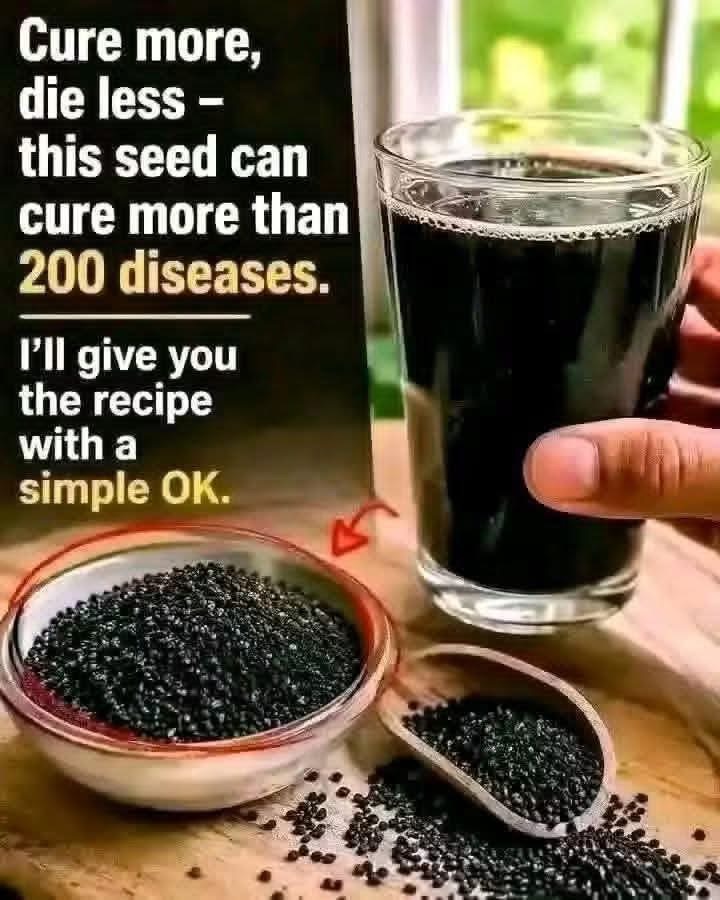
Black seed has been used as a traditional food and herbal ingredient for centuries. The small dark seeds are commonly known as black seed, black cumin, or Nigella sativa. They have a distinctive peppery flavor and are used in cooking, traditional preparations, and herbal products.
Black seed has attracted considerable attention online because of claims that it can cure hundreds of diseases. Some social media posts even suggest that a drink made from black seeds can eliminate serious illnesses.
These claims should be treated carefully. Black seed contains several interesting plant compounds and has been studied in laboratory research and human studies, but there is not enough evidence to say that it can cure hundreds of diseases or replace medical treatment.
This article looks at what is actually known about black seed, its nutritional properties, possible benefits, common uses, and important safety considerations.
What Is Black Seed
Black seed comes from the plant Nigella sativa, which belongs to the buttercup family.
The seeds are small, dark, and commonly used as a spice. They have a slightly bitter, peppery, and aromatic flavor.
Black seed is known by several names, including black cumin, black caraway, and Nigella sativa.
It has a long history of traditional use in different parts of the world.
The seeds can be used whole, ground into a powder, incorporated into foods, or processed into black seed oil.
What Makes Black Seed Interesting
Black seed contains naturally occurring plant compounds that have attracted scientific interest.
One of the best studied compounds is thymoquinone.
Researchers have investigated thymoquinone and other compounds from Nigella sativa for antioxidant, anti-inflammatory, and other biological activities.
Much of the early research was performed in laboratory models or animals. Some human studies have also investigated black seed preparations.
The results are interesting, but they do not prove that black seed can cure serious diseases.
The form of black seed used in research also matters. Whole seeds, powders, teas, extracts, and concentrated oils can have different amounts of active compounds.
Black Seed Contains Antioxidant Compounds
Black seed contains plant compounds with antioxidant activity.
Antioxidants are substances that can help protect cells from oxidative stress.
A diet containing a wide variety of fruits, vegetables, herbs, spices, nuts, seeds, and whole grains naturally provides many antioxidant compounds.
Black seed can therefore contribute to dietary variety.
However, antioxidant activity measured in a laboratory should not automatically be interpreted as a medical treatment.
A food or plant extract showing antioxidant activity in a test tube does not mean that drinking it will cure a disease.
Black Seed and Inflammation
Inflammation is a normal part of the body’s response to injury and infection, but excessive or persistent inflammation can be associated with various health conditions.
Compounds found in Nigella sativa, particularly thymoquinone, have been investigated for possible effects related to inflammatory pathways.
Some research has produced promising findings.
However, more high quality human research is needed before black seed can be recommended as a treatment for inflammatory diseases.
It is reasonable to include black seed as a culinary ingredient, but it should not be used as a substitute for prescribed treatment.
Black Seed and Blood Sugar
Black seed has been studied for its possible relationship with blood glucose control.
Some small clinical studies and reviews have reported potential improvements in certain blood sugar measurements among people using Nigella sativa preparations.
However, the evidence is not strong enough to consider black seed a replacement for diabetes medication.
Blood glucose can be affected by diet, exercise, body weight, medication, sleep, stress, and many other factors.
People with diabetes should monitor their blood sugar according to their healthcare professional’s recommendations.
Anyone considering concentrated black seed products while taking glucose lowering medication should discuss the combination with a healthcare professional.
Black Seed and Cholesterol
Research has also investigated black seed and blood lipid levels.
Some studies have reported possible changes in cholesterol or triglyceride measurements.
However, results across studies are not always consistent, and differences in dosage, preparation, study length, and participants make it difficult to draw strong conclusions.
Black seed should therefore be considered a possible dietary supplement rather than a proven treatment for high cholesterol.
A heart healthy eating pattern, regular physical activity, maintaining a healthy weight, and following medical advice remain much more important.
Black Seed and Blood Pressure
Some research suggests that Nigella sativa preparations may have modest effects on blood pressure in certain people.
This is an area of ongoing research.
However, people with high blood pressure should not stop prescribed medication and replace it with black seed.
Blood pressure can sometimes become dangerously high without obvious symptoms.
Regular monitoring and appropriate medical care are important.
If black seed is used alongside blood pressure medication, professional advice can help reduce the possibility of unwanted effects or interactions.
Black Seed and Digestive Health
Black seed is traditionally used in various cultures as part of digestive preparations.
The seeds are commonly added to foods and spice mixtures.
Some people consume black seed products because they believe they support digestion.
While there is scientific interest in the biological properties of Nigella sativa, evidence for treating specific digestive disorders remains limited.
A mild culinary use is very different from taking concentrated extracts.
Persistent abdominal pain, unexplained weight loss, vomiting, blood in the stool, or ongoing digestive symptoms should be evaluated by a healthcare professional.
Black Seed and Immune Function
The immune system requires adequate nutrition to function normally.
Black seed contains various plant compounds, and researchers have investigated its potential effects on immune related processes.
However, claims that black seed dramatically strengthens immunity or prevents all infections are not supported by sufficient evidence.
There is no single food that can guarantee protection from disease.
A balanced diet, adequate sleep, regular physical activity, good hygiene, recommended vaccinations, and appropriate medical care all play important roles in maintaining health.
Black Seed and Respiratory Health
Traditional use of black seed has included preparations for respiratory complaints.
Modern research has investigated Nigella sativa in relation to asthma and other respiratory conditions.
Some studies have reported potentially useful effects, but the evidence is still developing.
Black seed should not replace inhalers, prescribed medications, or emergency treatment.
Anyone experiencing severe breathing difficulty, chest pain, blue lips, or sudden worsening of respiratory symptoms should seek urgent medical attention.
Black Seed and Skin Health
Black seed oil is sometimes used in cosmetic and traditional skin preparations.
Its plant compounds have attracted interest because of their antioxidant and anti-inflammatory properties.
Some topical research has explored Nigella sativa preparations for certain skin concerns.
However, skin reactions are possible.
Before applying black seed oil over a large area, it is sensible to test a small amount first.
People with sensitive skin or known allergies should be particularly cautious.
Black seed oil should not be considered a cure for serious skin diseases.
Black Seed and Hair Care
Black seed oil is also popular in hair and scalp products.
Some people apply it to the scalp because they believe it can support healthy-looking hair.
The evidence for hair growth benefits remains limited.
A healthy scalp and hair depend on many factors, including nutrition, genetics, hormones, age, hair care practices, and underlying medical conditions.
Sudden or significant hair loss should be evaluated rather than treated solely with herbal oils.
Can Black Seed Cure Cancer
One of the most concerning claims in social media posts is that black seed can eliminate cancer cells or cure cancer.
Laboratory research has investigated compounds from Nigella sativa, including thymoquinone, in relation to cancer cells.
Some laboratory findings are scientifically interesting.
However, laboratory experiments involving isolated cells are not the same as clinical evidence showing that a treatment cures cancer in humans.
There is currently no basis for telling people that black seed can cure cancer or eliminate cancer cells throughout the body.
People diagnosed with cancer should follow the treatment plan recommended by their oncology team.
Black seed should never be used as a reason to delay, stop, or replace evidence based cancer treatment.
Can Black Seed Cure Hundreds of Diseases
The claim that one seed can cure more than 200 diseases is not supported by reliable clinical evidence.
A plant may contain many biologically active compounds and still not be a universal treatment.
Health claims should be evaluated according to the quality of the research supporting them.
If a social media post lists dozens or hundreds of conditions without providing credible clinical evidence, it is reasonable to be skeptical.
Black seed can be an interesting traditional food and subject of scientific research without being a cure for every disease.
Black Seed Tea
Some people prepare black seed as a tea or infusion.
A simple preparation can involve a small quantity of whole or lightly crushed seeds added to hot water.
The resulting drink has a strong, earthy flavor.
However, there is no scientifically established recipe that has been proven to cure disease.
The concentration of active compounds in homemade tea can also vary considerably.
If you enjoy black seed tea, it is better to think of it as a traditional beverage rather than a medicinal cure.
How to Prepare a Simple Black Seed Drink
For a mild traditional drink, use a small amount of black seed and hot water.
Ingredients
- Black seeds
- Hot water
- Optional lemon for flavor
Preparation
Place a small amount of black seed in a cup.
Add hot water and allow the seeds to steep for several minutes.
Strain the drink if desired.
Add lemon if you prefer a more refreshing flavor.
Avoid making extremely concentrated preparations simply because a social media post recommends a large amount.
There is no evidence that a stronger drink necessarily provides greater health benefits.
Black Seed Oil
Black seed oil is made by extracting oil from Nigella sativa seeds.
It is available as a culinary product, cosmetic ingredient, and dietary supplement.
Black seed oil is more concentrated than ordinary culinary use of whole seeds.
Because concentrated products can deliver higher amounts of certain compounds, they should be used according to reliable product instructions.
People taking medication should discuss regular use of concentrated herbal products with a healthcare professional.
Whole Seeds Versus Oil
Whole black seeds and black seed oil are not nutritionally identical.
Whole seeds contain fiber and other components of the seed.
Oil is concentrated in fat soluble compounds and does not provide the same nutritional profile as the whole seed.
The research on one preparation cannot automatically be applied to another.
This is particularly important when reading online claims.
A study involving a standardized extract does not necessarily prove that a homemade tea or ordinary culinary seed preparation produces the same effect.
Black Seed and Weight Loss
Black seed is sometimes marketed as a natural fat burner.
Some research has investigated whether Nigella sativa supplementation may have modest effects on body weight or metabolic measurements.
However, black seed is not a magic weight loss solution.
Sustainable weight management depends primarily on overall energy intake, food quality, physical activity, sleep, and long term habits.
If black seed replaces a high calorie snack or sugary drink, that dietary change may be useful.
The benefit would come largely from the overall change in eating habits rather than from black seed magically burning body fat.
Black Seed and Heart Health
Heart health depends on many factors.
Blood pressure, cholesterol, blood sugar, body weight, physical activity, smoking, sleep, diet, and family history can all influence cardiovascular risk.
Black seed has been studied in relation to some cardiovascular risk factors, including blood pressure and blood lipids.
However, evidence is not strong enough to describe it as a treatment for heart disease.
A balanced diet rich in vegetables, fruits, whole grains, legumes, nuts, seeds, and appropriate protein sources provides a much stronger foundation for cardiovascular health.
Black Seed and Liver Health
The liver is responsible for many essential functions, including processing nutrients and substances in the body.
Online posts sometimes describe black seed as a liver detox remedy.
There is not enough evidence to support the idea that black seed can “cleanse” the liver of toxins.
The body already has sophisticated systems for processing and eliminating substances.
If liver disease is suspected, medical evaluation is much more important than relying on a detox drink.
Is Black Seed Safe
Black seed has been used as a food and traditional ingredient, but natural does not automatically mean risk free.
Some people may experience stomach discomfort, nausea, or other unwanted effects, particularly when using concentrated preparations.
Allergic reactions are also possible.
The safety of long term, high dose supplementation has not been established for everyone.
People should therefore distinguish between normal culinary use and concentrated supplements.
Possible Medication Interactions
Herbal products can interact with medications.
Black seed may potentially influence blood sugar or blood pressure, which could matter for people taking medications that affect these measurements.
Concentrated products may also have effects that differ from small amounts used in cooking.
If you take regular medication, especially medication for blood sugar, blood pressure, blood clotting, or other chronic conditions, ask a healthcare professional before using concentrated black seed products regularly.
Black Seed During Pregnancy
Pregnancy is a time when extra caution is appropriate with concentrated herbal products.
Although black seed has a long history of culinary use, safety data for medicinal or high dose preparations during pregnancy are limited.
Pregnant people should avoid assuming that a natural supplement is automatically safe.
If you are pregnant or breastfeeding and are considering black seed supplements or concentrated oil, discuss the product with a qualified healthcare professional.
Black Seed for Children
Children have different nutritional needs and can respond differently to concentrated herbal products.
A small amount of black seed used as a culinary spice is different from giving a child a concentrated oil, extract, or large quantity of seeds.
Parents should be cautious about online recipes that recommend medicinal doses for children.
If a child has a health problem, appropriate medical evaluation is more reliable than attempting to treat the condition with an herbal remedy.
How to Include Black Seed in Food
Black seed can be used as a spice in many meals.
You can sprinkle a small amount over bread, salads, roasted vegetables, soups, rice dishes, or savory pastries.
It can also be incorporated into spice mixtures.
Using black seed as a culinary ingredient is a simple way to enjoy its flavor without treating it as a miracle medicine.
A varied diet remains more important than any individual spice.
How to Evaluate Health Claims About Black Seed
When you see a post claiming that black seed cures a large number of diseases, ask several questions.
Was the study performed in humans?
How many people participated?
Was there a control group?
What preparation of black seed was used?
What dose was given?
How long did the study last?
Were the results statistically and clinically meaningful?
Has the finding been reproduced by independent researchers?
These questions help separate promising research from exaggerated social media claims.
Why Laboratory Studies Can Be Misleading
Laboratory studies are an important part of scientific research.
They can help researchers understand how plant compounds interact with cells and biological pathways.
However, a compound that affects cancer cells in a laboratory dish does not automatically become a cancer treatment.
The compound must reach the appropriate tissues in the human body at an effective and safe concentration.
Clinical trials are needed to determine whether a treatment actually benefits patients.
This is why laboratory findings about black seed should be viewed as promising research rather than proof of a cure.
A Balanced Approach to Black Seed
There is no need to dismiss black seed simply because some online claims are exaggerated.
The seeds are a traditional food with an interesting nutritional and scientific profile.
They can be included in meals as a flavorful spice.
Researchers are continuing to investigate compounds found in Nigella sativa.
At the same time, consumers should avoid claims that promise instant cures or suggest that medical treatment is unnecessary.
Both ideas can be true at once: black seed can be an interesting traditional ingredient, and the evidence may still be insufficient to support major medical claims.
Frequently Asked Questions
What is black seed
Black seed is the seed of Nigella sativa, a flowering plant traditionally used as a spice and herbal ingredient.
Is black seed the same as black cumin
The names are sometimes used interchangeably, although common names can vary between regions. Nigella sativa is the plant associated with the black seed commonly discussed in traditional medicine.
Can black seed cure cancer
There is no reliable clinical evidence showing that black seed cures cancer. Laboratory research is not enough to establish a cancer treatment.
Can black seed cure diabetes
No. Some research has investigated possible effects on blood sugar, but black seed should not replace diabetes medication or professional care.
Does black seed burn fat
There is not enough evidence to describe black seed as a powerful fat burning ingredient. Healthy weight management depends on overall diet and lifestyle.
Can black seed lower blood pressure
Some studies suggest possible modest effects, but the evidence is not strong enough to use black seed as a replacement for prescribed blood pressure treatment.
Can I drink black seed tea every day
There is no universally established medicinal dose for daily black seed tea. A mild culinary-style drink is different from concentrated supplements. People taking medication should seek professional advice before regular use.
Is black seed oil safe
Black seed oil is a concentrated product and may not be appropriate for everyone. Follow product instructions and discuss regular use with a healthcare professional if you take medication or have a medical condition.
Can pregnant women use black seed
Safety data for medicinal or concentrated preparations during pregnancy are limited. Pregnant people should consult a healthcare professional before using black seed supplements or concentrated oil.
Is black seed better than medicine
No. Black seed should not be presented as a replacement for evidence based medical treatment.
Final Thoughts
Black seed is a traditional ingredient with a long history of culinary and herbal use. It contains naturally occurring compounds such as thymoquinone that have attracted scientific interest.
Research has explored possible relationships between Nigella sativa and areas such as inflammation, blood sugar, blood pressure, cholesterol, respiratory health, and other biological processes.
Some findings are promising, but much more high quality human research is needed.
The popular claim that one black seed recipe can cure more than 200 diseases is not supported by reliable clinical evidence. Similarly, black seed should not be promoted as a cure for cancer, diabetes, heart disease, or other serious conditions.
For most people, the most sensible way to approach black seed is as a traditional food and spice that can be included in a varied diet.
If you enjoy its flavor, you can use small amounts in meals or prepare a mild traditional drink. Concentrated oils and supplements require more caution, particularly for people taking medication, pregnant individuals, children, and anyone with an existing medical condition.
The most important lesson is simple: a natural ingredient can be nutritious and interesting without being a miracle cure.
A balanced diet, regular physical activity, adequate sleep, healthy lifestyle habits, and appropriate medical care remain the foundation of long term health.