Constipation is a common digestive problem that can affect people of all ages. It may cause infrequent bowel movements, hard or dry stools, straining, bloating, abdominal discomfort, or the feeling that the bowel has not completely emptied.
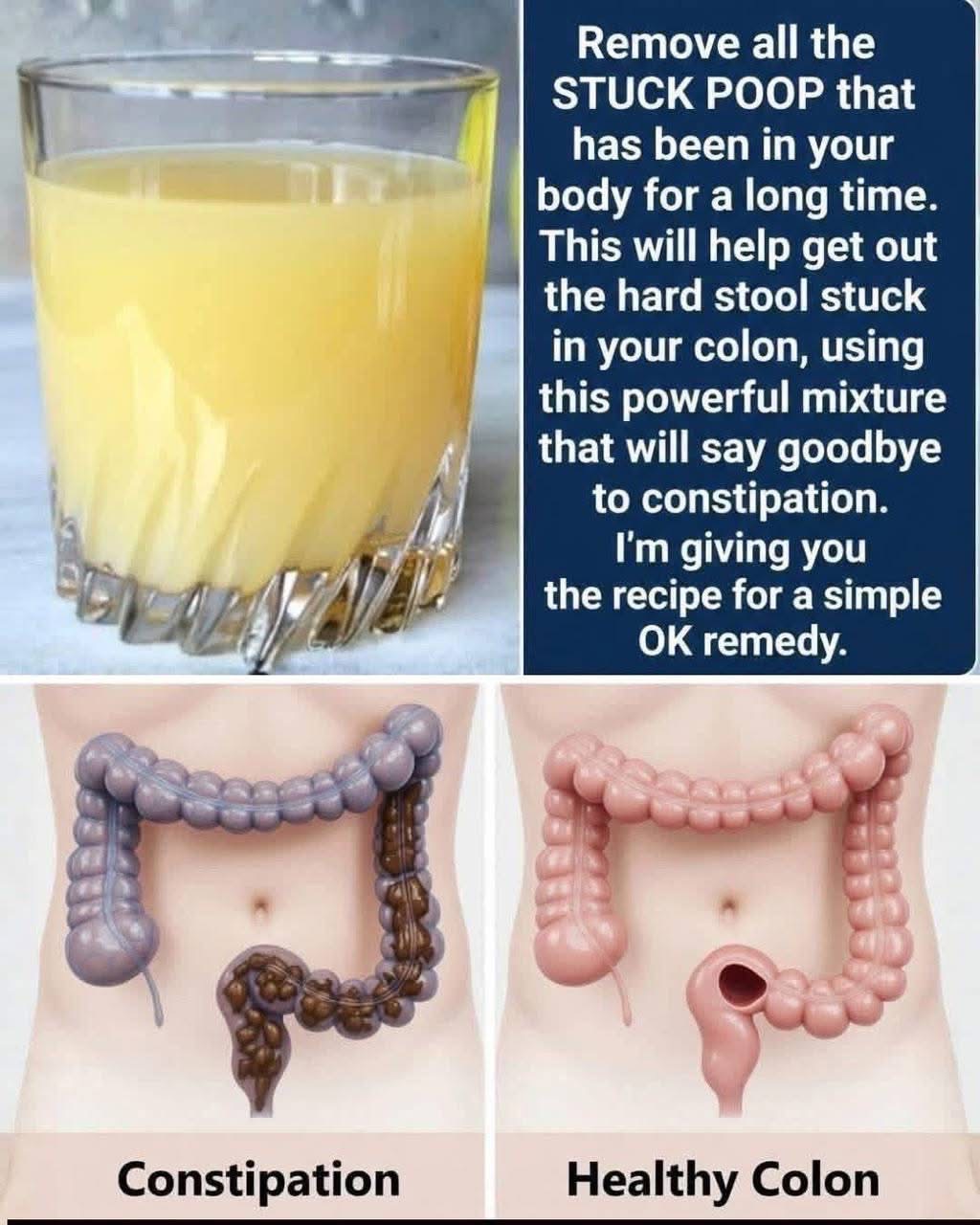
Images and social media posts often promote drinks that supposedly remove years of “stuck poop” from the colon. These claims can sound convincing, especially when they are accompanied by before and after illustrations.
However, the idea that old stool remains permanently stuck throughout the colon and can be washed away by one special drink is misleading. The digestive system is constantly moving food and waste through the gastrointestinal tract. Constipation usually occurs when stool moves too slowly or becomes difficult to pass.
The good news is that several simple lifestyle habits can help prevent and relieve ordinary constipation.
What Is Constipation
Constipation generally means having bowel movements that are difficult to pass or occur less often than usual.
Common symptoms include:
- Hard or dry stools
- Straining during bowel movements
- Feeling that the bowel has not completely emptied
- Bloating or abdominal discomfort
- Fewer bowel movements than is normal for you
- Small or difficult-to-pass stools
Everyone has a different normal bowel pattern. Some people have bowel movements several times a day, while others naturally go less frequently.
The consistency and difficulty of passing stool are often more useful than simply counting the number of bowel movements.
Does Stool Stay Stuck in the Colon for Years
A popular claim suggests that large amounts of old feces remain attached to the walls of the colon for years.
This is not how a healthy digestive system normally works.
The colon absorbs water and helps form stool. The muscles of the digestive tract then move the contents toward the rectum, where stool is eventually eliminated.
Severe constipation can cause stool to become very hard and difficult to pass. A condition called fecal impaction can also occur, particularly in people with significant or prolonged constipation.
But this is different from the idea of ordinary people carrying years of accumulated waste that can be removed with a homemade detox drink.
Can a Homemade Drink Clean the Colon
There is no simple homemade drink that has been proven to remove years of waste from the colon.
Some drinks may help bowel movements indirectly by providing fluid, and certain foods contain fiber that can improve stool consistency.
However, claims that a particular mixture completely cleans the colon or removes all toxins should be viewed cautiously.
The colon does not normally need a special detox drink.
Your digestive system is designed to process food and eliminate waste continuously.
Why Hydration Matters
Not drinking enough fluid can contribute to hard stools in some people.
Water helps the body maintain normal hydration, and adequate fluid intake can support softer stool, particularly when dietary fiber is increased.
Rather than drinking a large amount of water at once, it is generally better to drink fluids regularly throughout the day.
Individual fluid needs vary depending on factors such as body size, activity level, climate, diet, and medical conditions.
People with certain heart or kidney conditions may have specific fluid restrictions and should follow their healthcare professional’s advice.
Increase Dietary Fiber Gradually
Fiber is one of the most important dietary factors for healthy bowel movements.
Fiber is found naturally in foods such as:
- Fruits
- Vegetables
- Beans
- Lentils
- Whole grains
- Nuts
- Seeds
Some types of fiber help add bulk to stool, while others help retain water and improve stool consistency.
Increasing fiber suddenly can cause gas and bloating.
For that reason, it is often better to increase fiber gradually while maintaining adequate fluid intake.
Fruits That May Support Regularity
Many fruits contain fiber and water, making them useful additions to a diet aimed at supporting normal digestion.
Examples include apples, pears, oranges, berries, kiwi, and prunes.
Prunes and prune juice are particularly well known for supporting bowel regularity.
This does not mean that fruit acts as a colon cleanser. Instead, its fiber and naturally occurring compounds can help support normal bowel function.
Vegetables and Healthy Digestion
Vegetables are another important source of dietary fiber.
Leafy greens, carrots, broccoli, peas, squash, and other vegetables can contribute to overall fiber intake.
Including vegetables with meals can help create a balanced eating pattern that supports digestive health.
A diet based heavily on processed foods and low in fiber may make constipation more likely for some people.
Whole Grains Can Help
Whole grains contain more fiber than refined grains.
Foods such as oats, whole grain bread, brown rice, barley, and whole grain cereals can contribute to daily fiber intake.
When increasing fiber, make changes gradually.
A sudden large increase can cause bloating or abdominal discomfort, particularly in people who are not accustomed to eating much fiber.
Beans and Lentils
Beans, chickpeas, peas, and lentils are excellent sources of dietary fiber.
They can be added to soups, salads, stews, rice dishes, and other meals.
If you rarely eat legumes, start with smaller portions and gradually increase the amount.
This may give your digestive system time to adjust and can help reduce excessive gas.
Physical Activity and Bowel Movements
Regular physical activity can support normal digestive function.
Walking is a simple option that is accessible to many people.
Even a daily walk can be a useful part of a healthy routine.
Exercise alone is not a guaranteed treatment for constipation, but combining regular movement with adequate fiber and fluids can support overall bowel health.
Do Not Ignore the Urge to Go
Some people regularly ignore the urge to have a bowel movement because they are busy or uncomfortable using public bathrooms.
Repeatedly delaying bowel movements can contribute to constipation in some people.
When you feel the need to use the bathroom, try to give yourself enough time to go without rushing.
Creating a consistent bathroom routine can also be helpful.
The Importance of Toilet Position
Your position on the toilet can affect how easily you pass stool.
Some people find it more comfortable to place their feet on a small footstool so that the knees are slightly higher than the hips.
This position can help create a more natural squatting posture.
Avoid excessive straining, as repeatedly pushing hard can contribute to problems such as hemorrhoids.
Warm Drinks and Constipation
Some people find that drinking a warm beverage in the morning helps encourage a bowel movement.
This may be related to hydration and the body’s natural digestive response after eating or drinking.
Warm water, herbal tea, or another non-alcoholic beverage can be part of a morning routine.
However, a warm drink should not be described as a powerful colon detox or a way to remove years of accumulated waste.
Be Careful With Strong Laxatives
Laxatives can be useful for certain types of constipation, but not every product is appropriate for everyone.
Different laxatives work in different ways.
Some increase water in the stool, some add bulk, and others stimulate bowel contractions.
Using strong laxatives unnecessarily or too frequently can cause unwanted effects.
If constipation is persistent, a pharmacist or healthcare professional can help determine which option is appropriate.
What About Detox Drinks
Detox drinks are widely promoted online.
They may contain ingredients such as lemon, herbs, spices, fruit, seeds, or other plant products.
Some ingredients may provide fiber or fluid, but the word “detox” does not automatically mean that a drink has a special cleansing effect.
The liver, kidneys, digestive tract, lungs, and other organs already perform important functions involved in processing and eliminating substances from the body.
A healthy diet and lifestyle are generally more useful than extreme cleansing routines.
When Constipation May Need Medical Attention
Most occasional constipation is not dangerous.
However, constipation can sometimes be associated with an underlying medical problem.
Contact a healthcare professional if constipation is persistent, keeps returning, or does not improve with reasonable lifestyle changes.
Medical advice is especially important when constipation occurs together with unexplained weight loss, blood in the stool, persistent abdominal pain, vomiting, fever, or significant changes in bowel habits.
Severe abdominal pain combined with vomiting or an inability to pass stool or gas can require urgent medical evaluation.
Constipation and Older Adults
Constipation can become more common with age.
Reduced physical activity, changes in diet, lower fluid intake, and certain medications can all contribute.
Older adults with ongoing constipation should not rely solely on social media remedies.
A healthcare professional can review medications, diet, hydration, activity levels, and other possible causes.
Constipation and Medications
Some medications can contribute to constipation.
Examples may include certain pain medicines, some antacids, iron supplements, and other medications.
If constipation started after beginning a new medication, do not stop the medication without medical advice.
Instead, speak with a doctor or pharmacist about possible side effects and appropriate solutions.
A Simple Daily Routine for Digestive Health
A healthy routine does not need to involve an expensive detox product.
A simple approach can include drinking adequate fluids, eating fiber-rich foods, staying physically active, and responding to the urge to use the bathroom.
A typical day could include oatmeal or whole grain foods at breakfast, fruit as a snack, vegetables and legumes with meals, and regular walking or other physical activity.
The goal is consistency rather than a quick cleanse.
Simple Foods to Include
If you are trying to support regular bowel movements, consider adding more:
- Oats
- Apples
- Pears
- Kiwi
- Prunes
- Vegetables
- Beans
- Lentils
- Whole grains
- Nuts
- Seeds
Introduce higher-fiber foods gradually and drink enough fluid to support the change.
What to Avoid
If constipation is a recurring problem, it may help to reduce excessive consumption of highly processed foods that provide little fiber.
Large amounts of sugary drinks, heavily processed snacks, and meals lacking fruits and vegetables may make it harder to maintain a fiber-rich diet.
This does not mean that you must completely eliminate these foods.
Overall dietary patterns matter more than one individual food.
Final Thoughts
Constipation is common and can often be improved with simple changes in daily habits.
The viral claim that a special drink can remove years of “stuck poop” from the colon is not supported by good evidence. The digestive system normally moves waste through the gastrointestinal tract, and there is no need for routine colon cleansing in healthy people.
Instead of relying on a mysterious detox recipe, focus on the basics.
Eat more fiber-rich foods, drink adequate fluids, stay physically active, avoid regularly ignoring the urge to use the bathroom, and give your body enough time to develop a regular routine.
If constipation becomes severe, persistent, or is accompanied by concerning symptoms such as blood in the stool, unexplained weight loss, severe abdominal pain, vomiting, or major changes in bowel habits, seek medical advice.
A healthy digestive system does not need an extreme cleanse. Consistent everyday habits are usually a much better foundation for comfortable and regular digestion.