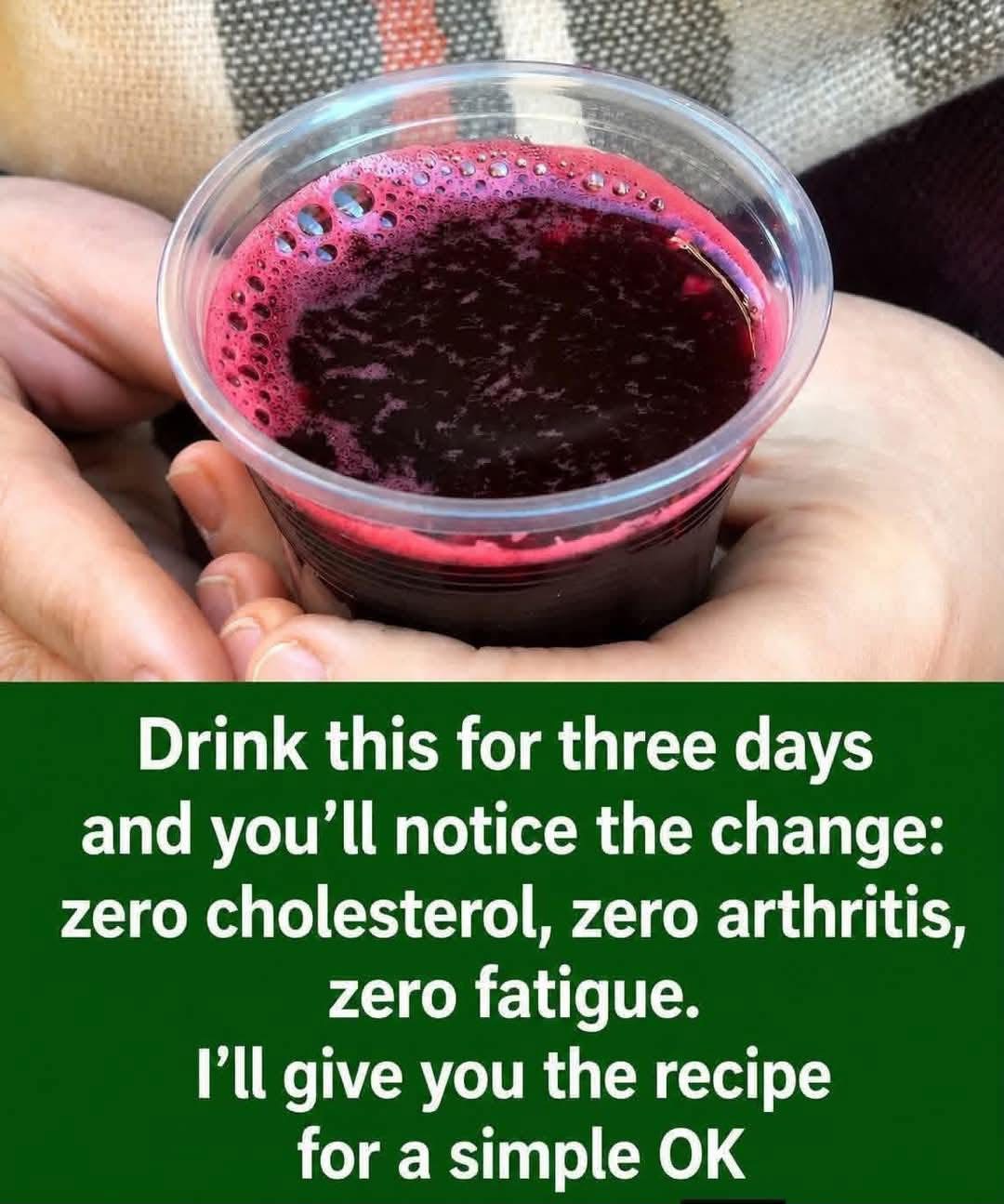
Beetroot is a colorful root vegetable that has become increasingly popular in smoothies, juices, salads, and homemade recipes. Its deep red or purple color comes from naturally occurring plant pigments, while its nutritional profile includes vitamins, minerals, fiber, and naturally occurring nitrates.
Social media posts sometimes promote beetroot drinks with claims that drinking them for only a few days can eliminate cholesterol, arthritis, or fatigue. These claims are too strong. No homemade drink can guarantee that cholesterol, arthritis, or fatigue will disappear within three days.
However, beetroot can still be a nutritious addition to a balanced eating pattern. This article explains what beetroot juice contains, how it can fit into a healthy diet, and what to know before making it part of your routine.
What Is Beetroot
Beetroot is the edible root of the beet plant. It is commonly available in red, purple, golden, and other varieties.
The vegetable can be eaten:
- Raw
- Boiled
- Steamed
- Roasted
- Pickled
- Blended into smoothies
- Prepared as juice
Beetroot has a naturally sweet and earthy flavor. Its strong color can also stain hands, clothing, and kitchen surfaces.
What Makes Beetroot Nutritious
Beetroot contains several nutrients and naturally occurring plant compounds.
Depending on how it is prepared, beetroot can contribute:
- Folate
- Potassium
- Manganese
- Dietary fiber
- Naturally occurring nitrates
- Plant pigments and other compounds
Whole beetroot also provides fiber, which is largely lost when the vegetable is converted into juice.
For this reason, both whole beetroot and beetroot juice can have a place in a balanced diet, but they are not nutritionally identical.
Beetroot and Naturally Occurring Nitrates
One of the most interesting nutritional features of beetroot is its nitrate content.
Dietary nitrates can be converted by the body through a series of processes into nitric oxide and related compounds. Nitric oxide has important roles in blood vessel function.
Research has examined beetroot and nitrate-rich foods in relation to physical performance and cardiovascular function.
However, this does not mean that drinking beetroot juice can cure heart disease, eliminate high cholesterol, or replace prescribed treatment.
Nutrition research generally looks at patterns, amounts, and specific outcomes rather than promising dramatic results from one drink.
Can Beetroot Lower Cholesterol
The image suggests that a beetroot drink can result in “zero cholesterol” after three days.
That is not a realistic health claim.
Cholesterol is a normal substance that the body needs for several biological functions. Problems arise when certain blood lipid levels become too high or when a person’s overall cardiovascular risk is elevated.
Cholesterol levels are influenced by genetics, diet, physical activity, body composition, medications, and other health factors.
Adding vegetables such as beetroot to a balanced diet can be a healthy choice, but it should not be presented as a guaranteed method for eliminating cholesterol.
If you have been diagnosed with high cholesterol, continue following the treatment and lifestyle recommendations provided by your healthcare professional.
Beetroot and Blood Pressure
Beetroot has attracted scientific interest because of its naturally occurring nitrates.
Some research has investigated whether nitrate-rich beetroot products may influence blood pressure in certain circumstances.
Nevertheless, beetroot juice should not be considered a replacement for blood-pressure medication or professional medical care.
People who monitor their blood pressure should continue checking it as recommended and discuss significant changes with a healthcare professional.
Can Beetroot Help With Exercise
Beetroot and dietary nitrates have also been studied in sports nutrition.
Some research suggests that nitrate-rich foods or drinks may influence exercise efficiency or performance in certain individuals and types of exercise.
The results can vary depending on the person, the amount consumed, the timing, and the type of physical activity.
Therefore, it is better to describe beetroot as a potentially useful food for an active lifestyle rather than claiming that it automatically improves athletic performance.
Beetroot and Fatigue
Fatigue can have many different causes.
Someone may feel tired because of insufficient sleep, stress, demanding physical activity, inadequate food intake, dehydration, illness, medication effects, or other factors.
Certain medical conditions and nutritional deficiencies can also contribute to persistent fatigue.
Because the cause of fatigue varies, drinking beetroot juice cannot be considered a universal treatment.
If fatigue is persistent, severe, unexplained, or accompanied by other concerning symptoms, it is sensible to speak with a healthcare professional.
Beetroot and Arthritis
Another common social media claim is that beetroot drinks can eliminate arthritis.
There is no basis for promising that a beetroot drink will cure arthritis.
Arthritis describes a group of conditions affecting joints, and different types require different approaches.
A nutritious diet can support general health, but it should not replace appropriate management of a diagnosed joint condition.
People with persistent joint pain should seek professional advice to determine the underlying cause and appropriate treatment.
Beetroot Juice Versus Whole Beetroot
One important difference between beetroot and beetroot juice is fiber.
When you eat the whole vegetable, you consume its fiber along with its water and nutrients.
When beetroot is juiced and the pulp is removed, much of the fiber remains behind.
Juice can therefore be convenient, but whole vegetables are often a better way to increase dietary fiber.
A smoothie made by blending the whole cooked or raw beetroot may retain more of the original fiber than strained juice.
A Simple Homemade Beetroot Drink
If you enjoy beetroot, you can prepare a simple drink without making medical claims about it.
Ingredients
- 1 medium beetroot
- 1 apple
- 1 small piece of fresh ginger
- Half a lemon
- 1 cup of water
Preparation
Wash the beetroot thoroughly and remove the ends.
Peel it if desired and cut it into small pieces.
Wash and cut the apple.
Add the beetroot, apple, ginger, lemon juice, and water to a blender.
Blend until smooth.
If you prefer a thinner drink, add more water.
You can drink it immediately.
If you want to retain more fiber, avoid straining the mixture.
Beetroot and Carrot Smoothie
Another simple combination is beetroot and carrot.
Ingredients
- 1 small beetroot
- 1 carrot
- 1 orange
- 1 cup of water
- A small piece of ginger if desired
Instructions
Wash the vegetables thoroughly.
Peel the beetroot, carrot, and orange if necessary.
Cut everything into manageable pieces.
Place the ingredients in a blender.
Blend until smooth.
Add additional water if needed.
This drink provides a variety of flavors and nutrients while keeping the preparation simple.
Beetroot With Lemon and Ginger
Beetroot pairs well with lemon and ginger.
Lemon contributes vitamin C and acidity, while ginger adds a spicy flavor.
To make a simple beverage, blend cooked or raw beetroot with water, fresh lemon juice, and a small piece of ginger.
The result can be served chilled or at room temperature.
No large quantity of sugar is necessary because beetroot and fruit already provide natural sweetness.
How Often Can You Eat Beetroot
For most people, beetroot can be included as part of a varied diet.
There is no need to follow a strict three-day program to obtain its nutritional benefits.
You can eat beetroot alongside other vegetables throughout the week.
The amount appropriate for an individual can depend on their overall diet and health circumstances.
If you have been advised to follow a particular dietary restriction, check with your healthcare professional before making significant changes.
Beetroot Can Temporarily Change Urine Color
One interesting feature of beetroot is that it can sometimes change the color of urine or bowel movements.
After eating beetroot, some people may notice reddish or pink coloration.
This can be harmless and may simply reflect beetroot pigments passing through the digestive system.
However, if you notice blood in your urine or stool and you are unsure whether beetroot is responsible, do not automatically assume it is from the food. Seek medical advice when appropriate.
Beetroot and Blood Sugar
Beetroot contains naturally occurring carbohydrates and sugars.
For many people, beetroot can fit comfortably into a balanced diet.
However, people who need to carefully manage blood glucose should consider the total carbohydrate content of their meals and beverages.
Juicing can also make it easier to consume a larger quantity of vegetables and fruit more quickly than when eating them whole.
If you have diabetes or another condition requiring blood glucose management, discuss suitable portions and dietary patterns with your healthcare professional.
What About Beetroot Supplements
Beetroot is available not only as a vegetable and juice but also as powders, capsules, concentrates, and sports products.
These products can contain substantially different amounts of nitrate and other compounds.
A concentrated supplement should not automatically be treated as equivalent to eating a normal serving of beetroot.
Always check the ingredient list and serving instructions.
People taking medications or managing a medical condition should seek appropriate professional advice before regularly using concentrated supplements.
Who Should Be Careful
Although beetroot is a common food, individual circumstances can differ.
People with certain medical conditions or those taking medications that affect blood pressure or other physiological processes may need individualized advice before regularly consuming concentrated beetroot products.
People who have previously been advised to limit certain nutrients should also consider their overall dietary intake rather than focusing on one food.
When in doubt, ask a healthcare professional or registered dietitian.
Why Three Day Health Claims Are Misleading
The promise of dramatic results in three days is one of the biggest warning signs in viral health content.
Long-term health conditions generally cannot be judged by a simple before-and-after comparison lasting only a few days.
Blood cholesterol, joint conditions, cardiovascular risk, and chronic fatigue all involve multiple factors.
A healthy food can be beneficial without producing an immediate transformation.
Good nutrition is usually about consistency and variety rather than a short-term miracle recipe.
A Better Approach to Supporting Heart Health
Instead of relying on one drink, consider the overall eating pattern.
A heart-conscious diet can include:
- Plenty of vegetables
- Fresh fruit
- Whole grains
- Beans and lentils
- Nuts and seeds
- Fish where appropriate
- Healthy sources of unsaturated fats
- Appropriate amounts of protein
Reducing excessive intake of highly processed foods, added sugars, and saturated fats may also be useful depending on individual circumstances.
Regular physical activity, adequate sleep, avoiding tobacco, and maintaining a healthy lifestyle are also important components of cardiovascular health.
A Balanced Way to Enjoy Beetroot
Beetroot does not need to be consumed as a special medicine.
It can simply be included in everyday meals.
Try roasted beetroot with vegetables.
Add cooked beetroot to salads.
Blend it into a smoothie.
Use small amounts in homemade dips.
Combine it with yogurt and herbs.
Add it to grain bowls.
Prepare a fresh beetroot soup.
These options make it easier to enjoy the vegetable as part of a varied diet.
Simple Beetroot Salad
Ingredients
- Cooked beetroot
- Fresh lettuce or mixed greens
- Cucumber
- A small amount of feta or another cheese
- Olive oil
- Lemon juice
- Black pepper
Preparation
Cut the cooked beetroot into small pieces.
Add the greens and sliced cucumber.
Sprinkle with a small amount of cheese.
Mix olive oil and lemon juice to create a simple dressing.
Add the dressing to the salad and serve.
This is an easy way to enjoy beetroot without turning it into a concentrated beverage.
Why Whole Foods Matter
A healthy diet is built from a variety of foods rather than a single “miracle” ingredient.
Beetroot can provide useful nutrients and plant compounds.
Other vegetables provide different vitamins and minerals.
Whole grains contribute fiber and other nutrients.
Legumes provide plant protein and fiber.
Nuts and seeds provide healthy fats and minerals.
Fruit contributes vitamins, minerals, fiber, and naturally occurring plant compounds.
The combination of different foods is what makes a balanced dietary pattern valuable.
Do Not Stop Medical Treatment
If you have high cholesterol, arthritis, high blood pressure, diabetes, or another diagnosed condition, do not stop prescribed treatment because a social media post recommends a homemade drink.
Food can be part of a healthy lifestyle, but it should not be presented as a replacement for medical care.
If you want to change your diet, discuss the change with your healthcare professional when you have a diagnosed condition or take regular medication.
Frequently Asked Questions
Can beetroot juice remove cholesterol in three days
No. There is no reliable basis for claiming that drinking beetroot juice for three days will eliminate cholesterol.
Can beetroot cure arthritis
Beetroot is a nutritious vegetable, but it should not be described as a cure for arthritis.
Can beetroot reduce fatigue
Beetroot can be part of a nutritious diet, but persistent fatigue can have many causes and should not automatically be treated with beetroot juice.
Is beetroot juice healthy
Beetroot juice can be included in a balanced diet. However, whole beetroot generally provides more fiber because the pulp remains intact.
Can I drink beetroot every day
Many people can include beetroot regularly as part of a varied diet. However, individual dietary needs differ, particularly for people with certain medical conditions or those taking medications.
Why does beetroot turn urine red
Beetroot contains strong natural pigments that can sometimes give urine or bowel movements a pink or reddish appearance.
Does beetroot contain collagen
No. Beetroot is a plant food and should not be described as a source of collagen. It does contain nutrients and plant compounds that can contribute to an overall nutritious diet.
Final Thoughts
Beetroot is a colorful and nutritious vegetable that can be enjoyed in many different ways. Its naturally occurring nitrates and plant compounds have made it an interesting subject of nutritional research, particularly in relation to cardiovascular health and exercise.
However, viral claims that a beetroot drink can produce “zero cholesterol,” eliminate arthritis, or remove fatigue after only three days are exaggerated and should not be presented as established medical facts.
A more realistic approach is to enjoy beetroot as one component of a varied diet.
Whole beetroot, smoothies, salads, soups, and homemade drinks can all be useful ways to include this vegetable in your meals. Combining beetroot with other vegetables, fruits, whole grains, legumes, protein sources, and healthy fats provides a much broader range of nutrients.
If you have persistent fatigue, joint pain, abnormal cholesterol, high blood pressure, or another health concern, it is better to identify the underlying issue with appropriate professional guidance rather than relying on a viral recipe.
Healthy eating does not require miracle drinks or three-day transformations. Consistent, balanced choices over time are a more practical foundation for overall health.
Important Disclaimer
This article is for general educational and informational purposes only. It does not diagnose, treat, prevent, or cure any disease or medical condition.
The health claims shown in social media images should not be interpreted as guaranteed medical results. Beetroot and beetroot juice can be part of a balanced diet, but they should not replace prescribed medication, medical testing, or professional healthcare advice.
If you have a medical condition, take regular medication, or experience persistent or unexplained symptoms, consult a qualified healthcare professional before making significant dietary changes.