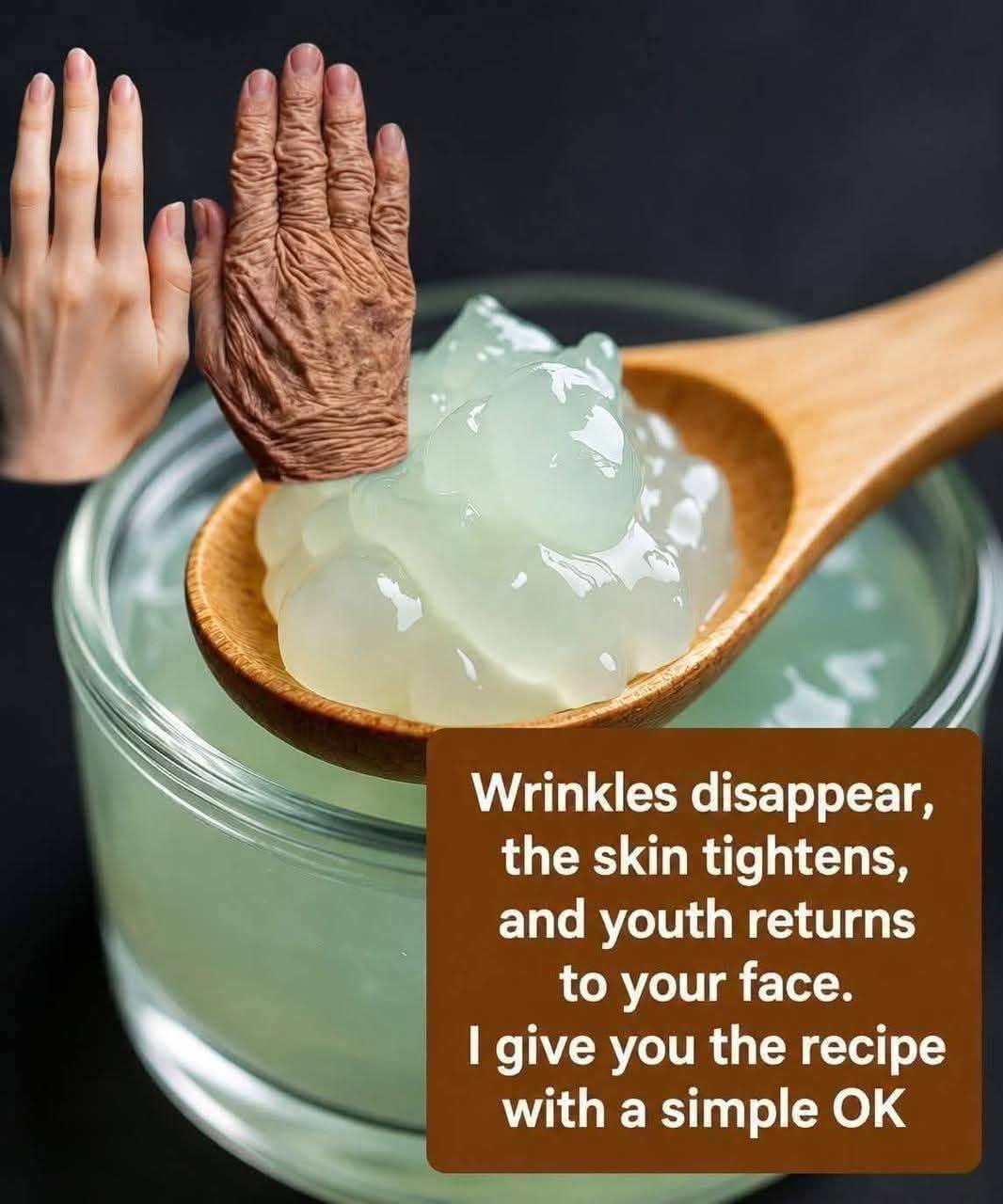
Aloe vera has been used in skin care for generations. The clear gel found inside the aloe vera leaf is widely used in moisturizers, soothing gels, and other personal care products. It has a lightweight texture and can help provide moisture while leaving the skin feeling refreshed.
Social media posts sometimes claim that aloe vera can make wrinkles disappear, tighten the skin, and restore a youthful appearance. These statements are exaggerated. Aloe vera can be a useful ingredient for basic skin care, but it should not be presented as a permanent treatment for wrinkles or as a way to reverse aging.
What Is Aloe Vera Gel
Aloe vera is a succulent plant with thick leaves containing a clear, water-rich gel. This gel contains various compounds that have made aloe vera popular in cosmetic and skin-care products.
When properly prepared, the inner gel can be applied to the skin. Commercial aloe vera products are often formulated to improve stability, texture, and shelf life.
Fresh aloe vera should be prepared carefully because the yellow latex found closer to the outer part of the leaf is different from the clear inner gel and can irritate the skin.
How Aloe Vera May Support the Skin
Aloe vera gel can provide a cooling and moisturizing sensation. Its water content makes it useful in products designed for dry or uncomfortable skin.
Keeping the skin adequately moisturized can make fine lines appear less noticeable temporarily because hydrated skin often looks smoother and more supple.
However, this is different from actually removing wrinkles. Normal skin aging continues even when the skin is well moisturized.
Aloe Vera and Dry Skin
Dry skin can feel tight, rough, or uncomfortable. A simple aloe vera gel may provide lightweight hydration and can be especially pleasant when used after cleansing.
For very dry skin, however, aloe vera alone may not be enough. A moisturizer containing ingredients such as glycerin, ceramides, or other emollients can help support the skin barrier more effectively.
Aloe vera can therefore be used as one part of a broader skin-care routine rather than as a replacement for moisturizer.
Aloe Vera and the Appearance of Fine Lines
Fine lines are a normal part of skin aging. Sun exposure, genetics, lifestyle, and natural changes in collagen and elasticity all influence how the skin changes over time.
Aloe vera may temporarily improve the appearance of skin by helping it stay hydrated. Hydrated skin can look smoother, but there is not good evidence that a homemade aloe vera preparation can permanently erase wrinkles.
For long-term protection against premature skin aging, daily sun protection is much more important.
A Simple Aloe Vera Skin Gel
If you want to use aloe vera as a simple skin-care product, you can choose a commercially prepared aloe vera gel or carefully prepare gel from a fresh leaf.
Ingredients
- A small amount of pure aloe vera gel
- Clean water for washing the leaf
- A clean container if storing the gel briefly
Preparation
Wash the aloe vera leaf thoroughly.
Cut away the outer edges and allow the yellow liquid near the cut surface to drain away. Remove the outer green skin carefully and collect only the clear inner gel.
Rinse the gel thoroughly.
Blend or mash a small amount until it reaches a smooth consistency.
Apply a thin layer to clean skin and allow it to dry. If your skin feels dry afterward, follow with a suitable moisturizer.
Because homemade aloe vera preparations do not contain preservatives, it is safer to prepare only a small amount and keep it refrigerated rather than storing it for a long period.
Always Perform a Patch Test
Natural does not automatically mean that a product is suitable for every skin type.
Before applying aloe vera to a large area of your face, test a small amount on a limited area of skin. Wait to see whether redness, itching, burning, swelling, or another reaction develops.
If irritation occurs, wash the area and stop using the product.
People with particularly sensitive skin should be especially cautious with homemade preparations.
Aloe Vera and Sun Exposure
Aloe vera is commonly associated with soothing products used after sun exposure. It can provide a cooling sensation and moisture to the skin.
However, aloe vera should not be considered a substitute for sunscreen.
When spending time outdoors, use a broad-spectrum sunscreen and take other sun-protection measures such as seeking shade and wearing protective clothing.
Preventing excessive ultraviolet exposure is one of the most useful ways to protect the skin from premature aging.
Can Aloe Vera Make You Look Younger
Aloe vera cannot literally restore youth to the skin.
The appearance of healthy skin depends on many factors, including genetics, age, hydration, nutrition, sleep, smoking status, environmental exposure, and ultraviolet radiation.
Aloe vera may make skin feel softer and more hydrated, which can improve its appearance temporarily. But claims that it will completely remove wrinkles or dramatically tighten aging skin are not supported by strong evidence.
A realistic goal is healthier, better-hydrated skin rather than a permanent reversal of aging.
Aloe Vera for a Simple Skin-Care Routine
A straightforward routine can be more useful than relying on a single homemade treatment.
Morning
Cleanse the skin gently.
Apply a moisturizer appropriate for your skin type.
Finish with broad-spectrum sunscreen.
Evening
Cleanse the skin to remove dirt, sweat, and cosmetics.
Apply a small amount of aloe vera gel if your skin tolerates it.
Follow with moisturizer.
The exact routine can be adjusted depending on whether the skin is dry, oily, combination, or sensitive.
Other Ways to Use Aloe Vera
Aloe vera gel can also be incorporated into simple skin-care routines for the hands, arms, and legs.
It can be particularly pleasant after bathing because it provides a lightweight layer of moisture without the heavy feeling associated with some creams.
If you use a commercial product, check the ingredient list and choose a product from a reputable manufacturer.
What to Avoid
Avoid applying aloe vera preparations to broken or seriously irritated skin without professional advice.
Do not use products that cause persistent burning or itching.
Avoid adding unnecessary ingredients such as lemon juice, concentrated essential oils, or harsh substances to homemade facial treatments. These can irritate the skin and may make certain skin problems worse.
More ingredients do not necessarily make a skin-care recipe more effective.
Final Thoughts
Aloe vera gel can be a simple addition to a skin-care routine. It may help the skin feel moisturized, refreshed, and comfortable, and hydration can temporarily make the skin appear smoother.
However, viral claims that aloe vera will make wrinkles disappear, permanently tighten the skin, or restore a youthful appearance go beyond the available evidence.
For healthier-looking skin, focus on the basics: gentle cleansing, regular moisturizing, adequate hydration, a balanced diet, and consistent sun protection. Aloe vera can complement these habits, but it should not be treated as a miracle anti-aging remedy.