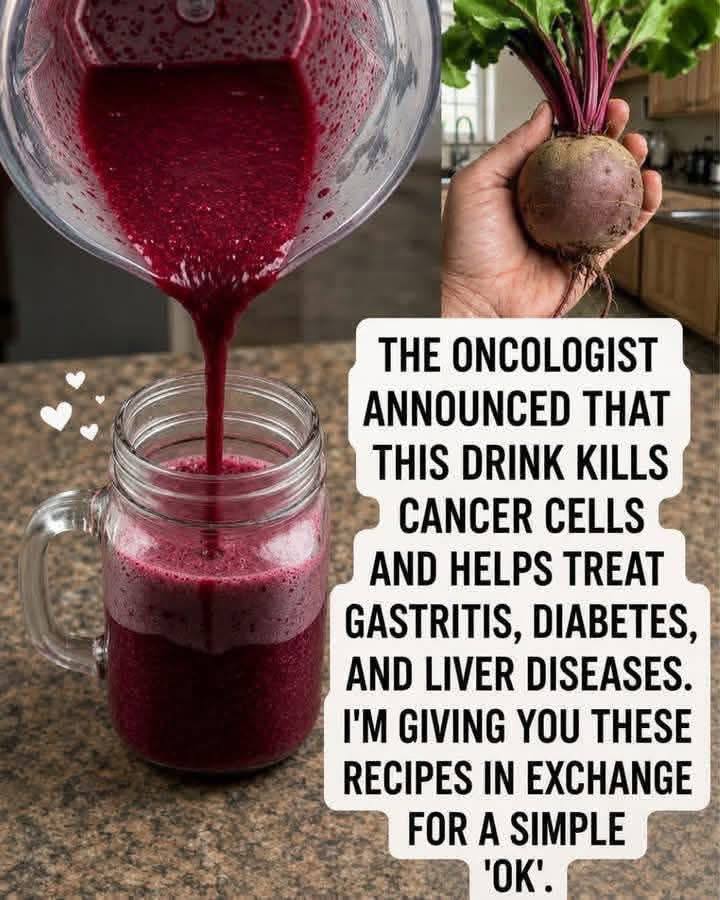
Beetroot is a colorful root vegetable that has become popular in juices, smoothies, salads, soups, and other recipes. Its deep red-purple color comes from naturally occurring pigments called betalains, while the vegetable also provides nutrients such as folate, potassium, and dietary fiber.
Social media posts sometimes claim that beetroot juice can kill cancer cells or treat gastritis, diabetes, and liver disease. These claims are misleading and should not be presented as medical facts. Beetroot can be part of a nutritious diet, but it is not a proven cure for cancer or other diseases.
What Is Beetroot
Beetroot, also called beet, is the edible root of the beet plant. It can be eaten raw, cooked, roasted, pickled, blended, or juiced.
Beetroot has a naturally sweet and earthy flavor. It is relatively low in calories and contains several useful nutrients and plant compounds.
The vegetable can be especially valuable as part of a diet that includes a wide variety of fruits and vegetables.
Beetroot and Natural Nitrates
One of the most interesting components of beetroot is its naturally occurring nitrate content.
The body can convert dietary nitrate into compounds involved in the production of nitric oxide. Nitric oxide plays an important role in blood-vessel function and circulation.
Research has investigated beetroot and beetroot juice in relation to exercise performance and blood pressure. However, individual responses can vary, and beetroot should not be considered a replacement for prescribed treatment.
Beetroot and Blood Pressure
Some research suggests that nitrate-rich beetroot products may contribute to modest improvements in blood pressure in some people.
This is one reason beetroot juice has attracted attention among researchers and athletes.
However, drinking beetroot juice does not mean that someone with hypertension can stop taking prescribed medication. Anyone being treated for high blood pressure should continue their treatment and discuss dietary changes with their healthcare professional.
A healthy diet, regular physical activity, appropriate weight management, adequate sleep, and medical care all have a much greater role in cardiovascular health than one particular drink.
Beetroot and Exercise
Beetroot juice is also popular among people who exercise.
The nitrate content may influence oxygen efficiency and blood flow during physical activity. Some studies have reported improvements in certain aspects of exercise performance, particularly in endurance activities.
The effect is not identical for everyone, however. Beetroot juice should be viewed as an optional nutritional food rather than a guaranteed performance enhancer.
Beetroot and Antioxidants
Beetroot contains betalains and other plant compounds with antioxidant properties.
Antioxidants help protect cells from oxidative stress. Eating a variety of vegetables provides many different plant compounds, which is one reason dietary variety is important.
The deep color of beetroot is a useful reminder that colorful vegetables can contribute a broad range of naturally occurring compounds to the diet.
Does Beetroot Juice Kill Cancer Cells
The claim in the image that a beetroot drink “kills cancer cells” is not a medically established fact.
Laboratory research has examined compounds found in beetroot and their biological effects, but results observed in laboratory experiments cannot automatically be translated into a cancer treatment for people.
There is currently no basis for telling someone that beetroot juice cures cancer or should replace chemotherapy, radiotherapy, surgery, immunotherapy, or other treatments recommended by an oncology team.
Beetroot can be included in a healthy diet during cancer treatment when appropriate, but dietary choices should be discussed with the treating healthcare team when there are specific medical or nutritional concerns.
Beetroot and Diabetes
Beetroot contains natural sugars, but it also provides nutrients and, when eaten whole, dietary fiber.
For someone managing blood glucose, portion size and the overall carbohydrate content of the diet are important. Juice generally contains less fiber than whole beetroot, so drinking a large amount can provide carbohydrates in a form that is easier to consume quickly.
Beetroot can therefore be part of a balanced diet, but it should not be described as a treatment that cures diabetes.
People taking medication for diabetes should follow their healthcare professional’s advice and monitor their blood glucose as recommended.
Beetroot and Liver Health
The liver naturally performs many important functions, including processing nutrients and substances circulating in the blood.
Online posts frequently describe beetroot juice as a “liver detox.” This wording can be misleading. There is not strong clinical evidence that drinking beetroot juice detoxifies or repairs a diseased liver.
Nevertheless, beetroot can contribute to a healthy eating pattern. A diet rich in vegetables, fruits, whole grains, legumes, and other nutrient-dense foods is generally more meaningful for long-term health than relying on a single detox drink.
Beetroot and Digestion
Whole beetroot provides dietary fiber, which supports normal digestive function.
Fiber contributes to stool bulk and can help maintain regular bowel movements. Increasing fiber gradually and drinking enough fluids can be useful for people whose diets are low in fiber.
Juicing beetroot removes much of the fiber, depending on the preparation method. If digestive health is the goal, eating whole beetroot can therefore have advantages over drinking only strained juice.
Beetroot and Gastritis
Another common online claim is that beetroot juice treats gastritis.
There is not enough evidence to recommend beetroot juice as a treatment for gastritis. Gastritis can have different causes, including infection, medication-related irritation, and other medical conditions, so treatment depends on the underlying cause.
People experiencing persistent stomach pain, vomiting, unexplained weight loss, black stools, or other concerning symptoms should seek medical evaluation rather than relying on homemade drinks.
A Simple Beetroot Juice Recipe
If you enjoy beetroot, you can prepare a simple homemade drink without presenting it as a medical remedy.
Ingredients
- 1 small fresh beetroot
- 1 apple
- 1 small carrot
- 1 cup of cold water
- A small piece of fresh ginger, optional
- A squeeze of lemon, optional
Preparation
Wash the vegetables and fruit thoroughly.
Peel the beetroot if desired and cut everything into small pieces.
Place the beetroot, apple, carrot, and water into a blender.
Blend until smooth.
If you prefer a thinner drink, strain it. If you want to retain more fiber, drink it without straining.
Add a small amount of ginger or lemon for flavor if desired.
Beetroot Smoothie Alternative
A smoothie can retain more of the natural fiber than strained juice.
Ingredients
- 1 small cooked or raw beetroot
- 1 small banana
- 1 cup plain yogurt or an unsweetened alternative
- ½ cup berries
- A little cold water
Blend all the ingredients until smooth.
This version combines beetroot with fruit and a source of protein, making it more substantial than a simple vegetable juice.
How Much Beetroot Should You Eat
There is no universal requirement to drink beetroot juice every day.
A reasonable approach is to include beetroot as part of a varied diet and pay attention to portion sizes, particularly if you are drinking juice rather than eating whole vegetables.
People with specific medical conditions or dietary restrictions should ask a healthcare professional or registered dietitian how beetroot fits into their individual diet.
Red Urine After Eating Beetroot
One harmless effect that can surprise people is a reddish or pink color in the urine after eating beetroot.
This phenomenon is commonly known as beeturia. It can also affect stool color.
Although beetroot can cause these color changes, unexplained blood in the urine should not automatically be attributed to food. If the discoloration occurs without an obvious dietary explanation or persists, medical advice may be appropriate.
Choosing Fresh Beetroot
When buying fresh beetroot, look for roots that feel firm and have no obvious soft or damaged areas.
If the leaves are attached, they should appear relatively fresh rather than wilted or severely discolored.
Store beetroot appropriately in the refrigerator and wash it thoroughly before preparation.
Important Safety Considerations
Beetroot is generally considered a nutritious food for most people, but more is not necessarily better.
Because beetroot can be relatively high in naturally occurring nitrates and potassium, people with certain medical conditions may need individualized dietary advice.
People with kidney problems, those following medically prescribed diets, and anyone taking medications that affect blood pressure or potassium should discuss significant dietary changes with a healthcare professional.
Beetroot juice can also be concentrated compared with eating a normal serving of the whole vegetable, so large quantities are unnecessary.
Beetroot Is Not a Replacement for Medical Treatment
This is particularly important when social media recipes make claims about serious illnesses.
Beetroot juice should not replace treatment for:
- Cancer
- Diabetes
- Hypertension
- Liver disease
- Gastritis
- Kidney disease
- Cardiovascular disease
Food can support overall nutrition, but it generally cannot substitute for diagnosis and evidence-based medical treatment.
If you have a diagnosed condition, continue the treatment prescribed by your healthcare professional unless they advise otherwise.
Final Thoughts
Beetroot is a nutritious vegetable that can be enjoyed whole, cooked, blended, or juiced. It provides naturally occurring nitrates, betalains, folate, potassium, and other nutrients and plant compounds.
Beetroot juice may have potential benefits related to blood pressure and exercise performance, but the evidence does not support the dramatic claims often seen in viral posts.
In particular, there is no reliable basis for claiming that beetroot juice kills cancer cells in people or cures diabetes, gastritis, or liver disease.
A simple beetroot drink can be a refreshing addition to a balanced diet. The healthiest approach is to enjoy it as food rather than treating it as a miracle medicine.