Joint and back pain are common problems that can affect people of different ages. Pain may appear after physical activity, repetitive movements, an injury, prolonged sitting, or as part of a longer-term health condition.
Because joint and back discomfort can interfere with everyday activities, many people look for simple products that may provide relief. Herbal pain-relief creams are frequently promoted online with claims that they can make joint pain, muscle soreness, and back pain disappear quickly.
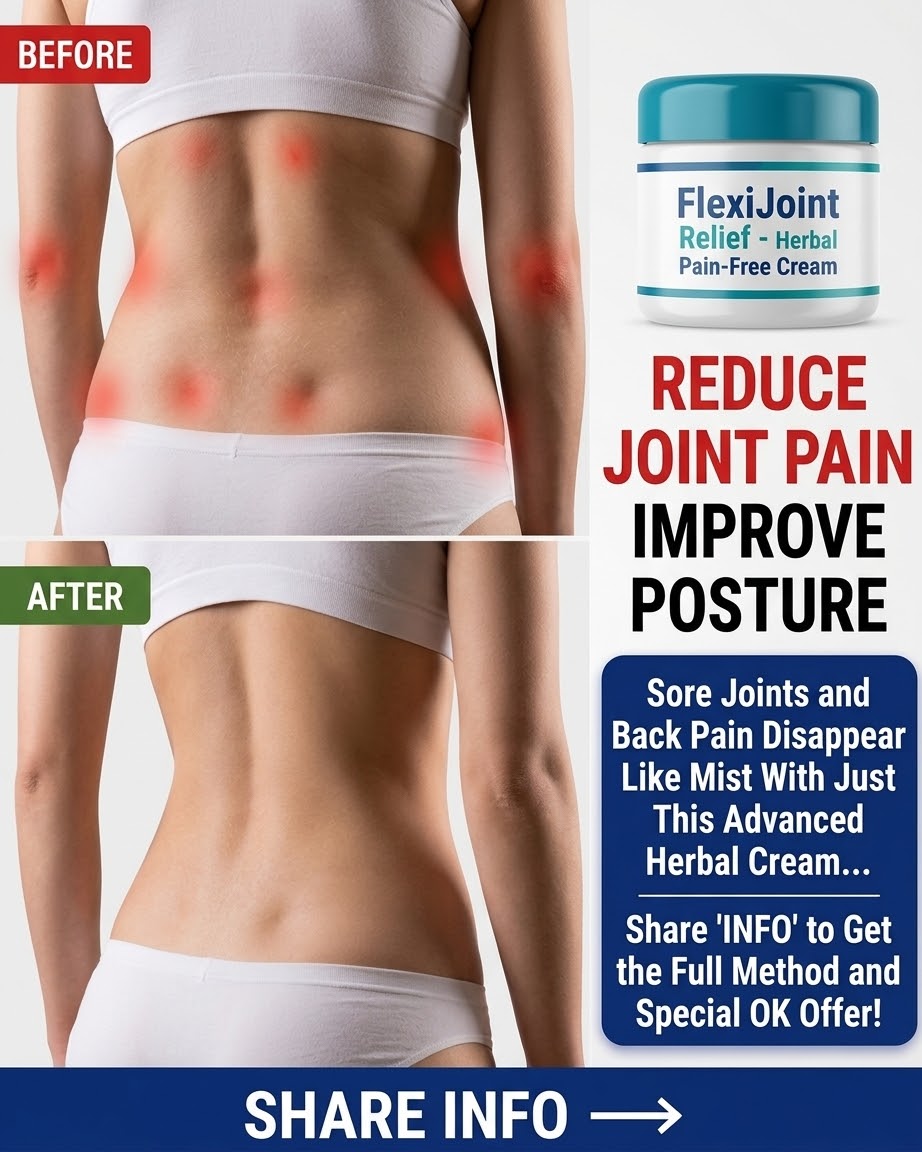
The advertisement shown in the image promotes an herbal cream and suggests that sore joints and back pain can disappear while posture improves. However, claims such as these should be approached carefully. A topical cream may provide temporary relief for some types of pain, depending on its ingredients, but there is no universal cream that can permanently cure every cause of joint or back pain.
Understanding the possible causes of pain and knowing when professional medical advice is needed is much more important than relying on a single product.
What Is Joint Pain
Joint pain refers to discomfort that occurs in or around a joint. It can affect one joint or several joints at the same time.
Common areas include the:
- Knees
- Hips
- Shoulders
- Elbows
- Wrists
- Fingers
- Ankles
- Feet
Joint pain can range from mild discomfort to severe pain that makes movement difficult.
Some joint pain develops temporarily after exercise or an injury, while other types can continue for months or years.
Common Causes of Joint Pain
There are many possible causes of joint pain, and the appropriate treatment depends on the underlying problem.
Common causes include muscle or ligament strain, injuries, overuse, osteoarthritis, inflammatory conditions, gout, bursitis, and other medical problems.
For example, osteoarthritis can cause pain, stiffness, and difficulty moving affected joints. Gout can cause sudden and severe pain, often with swelling and redness.
Because these conditions are different, treating them all with the same cream is unlikely to provide the same results.
What Causes Back Pain
Back pain is also very common.
In many cases, it can be related to muscle strain or other relatively minor problems. Sometimes, however, back pain can be associated with conditions involving the nerves, discs, joints, or other structures.
Back pain may develop after lifting something heavy, making an awkward movement, exercising, sitting for a long time, or experiencing an injury.
Many episodes of ordinary back pain improve over time, but persistent or severe symptoms should be evaluated appropriately.
Can Herbal Creams Relieve Pain
Some topical products containing particular ingredients may provide temporary relief for certain types of pain.
For example, capsaicin, an ingredient derived from chili peppers, has been studied as a topical treatment for some forms of chronic pain. However, the evidence depends on the specific condition and product.
This does not mean that every cream labeled “herbal” is effective.
The ingredients, concentration, formulation, quality, and intended use all matter.
Therefore, it is important to look beyond words such as “natural,” “herbal,” or “advanced” when evaluating a pain-relief product.
Can a Herbal Cream Permanently Cure Joint Pain
There is no good reason to assume that a general herbal cream can permanently cure all joint pain.
A topical product may sometimes make an area feel more comfortable, but symptom relief does not necessarily mean that the underlying condition has been treated.
For example, someone with osteoarthritis may experience temporary pain relief from a topical treatment, but the treatment does not automatically reverse the joint changes associated with osteoarthritis.
Similarly, a person with a muscle strain may feel better while the body naturally recovers.
This is why claims that a cream can make all joint pain “disappear forever” should be treated with caution.
Can a Pain Cream Cure Back Pain
A topical cream may help some people manage discomfort, depending on the ingredients and the cause of the pain.
However, it should not be considered a guaranteed cure for back pain.
Back pain can have many different causes. A cream may affect the sensation of pain without addressing the reason the pain developed.
For persistent back pain, identifying the underlying cause and using appropriate movement, exercise, physical therapy, medication, or other treatment when needed can be more important than relying on topical products alone.
What Does Pain Relief Actually Mean
Pain relief and healing are not necessarily the same thing.
A product may temporarily reduce the sensation of discomfort while the underlying problem remains.
For example, some topical ingredients create warming, cooling, or other sensations that can change how pain is perceived.
This can make the person feel better for a period of time.
However, feeling less pain does not prove that damaged tissue has been repaired or that a chronic condition has been cured.
This distinction is especially important when reading advertisements for products that promise dramatic results.
Why Before and After Pictures Are Not Proof
The advertisement in the image uses a before-and-after presentation to suggest that the product eliminates pain and improves the appearance of the back.
However, a photograph cannot prove that a product caused the change.
Advertising images can be influenced by:
- Lighting
- Camera angle
- Body position
- Image editing
- Different poses
- Graphic effects
- Selective presentation of results
The red areas shown in the advertisement are also graphical representations and cannot demonstrate the actual location or severity of someone’s pain.
Reliable evidence about a medical treatment comes from appropriate scientific research rather than a promotional image alone.
Is Natural Always Safe
No.
The word “natural” does not automatically mean that a product is harmless.
Herbal products can contain active substances that cause side effects, allergic reactions, or interactions with medicines.
Some topical ingredients may cause burning, redness, itching, or irritation.
People with sensitive skin should be particularly careful when trying a new topical product.
Always check the ingredients and follow the instructions on the product packaging.
How to Use a Topical Pain Product Safely
If you choose to use a commercially available topical pain-relief product, follow the instructions provided with the product.
Some general precautions include:
- Apply only the recommended amount.
- Do not use it on broken skin unless specifically instructed.
- Avoid contact with the eyes and mouth.
- Wash your hands after application when appropriate.
- Do not combine several topical pain products without professional advice.
- Stop using the product if significant irritation develops.
- Check the ingredients if you have known allergies.
- Ask a pharmacist or healthcare professional if you take regular medications.
Using more cream than recommended does not necessarily make it work faster.
Simple Ways to Support Back Health
For many types of ordinary back pain, staying gently active can be helpful.
Long periods of complete bed rest are generally not recommended for routine back pain.
Depending on your condition and fitness level, activities such as walking, swimming, gentle stretching, or appropriate strengthening exercises may help maintain movement.
However, exercises should be adapted to the individual.
If an activity causes significant or worsening pain, stop and seek professional advice.
Exercise and Joint Health
Appropriate physical activity can be an important part of managing many joint problems.
For people with osteoarthritis, regular exercise can help improve muscle strength, mobility, fitness, and symptoms.
Exercise does not have to mean intense workouts.
Depending on the individual, suitable options may include:
- Walking
- Swimming
- Cycling
- Gentle strengthening exercises
- Stretching
- Low-impact aerobic activity
Starting gradually is often more appropriate than suddenly performing intense exercise.
A physiotherapist or other healthcare professional can provide individualized guidance when pain or mobility problems are significant.
Can Better Posture Prevent Back Pain
Posture can influence how the body feels during sitting, standing, and movement, but there is no single perfect posture that can eliminate all back pain.
Back pain is influenced by many factors, including physical activity, muscle strength, previous injuries, stress, sleep, and other health factors.
If you work at a desk, changing positions regularly and taking movement breaks can be useful.
When lifting objects, using sensible lifting techniques and avoiding unnecessarily heavy loads can also help reduce strain.
Good posture should therefore be considered one part of overall back care rather than a guaranteed cure.
Heat and Cold for Pain Relief
Heat and cold are commonly used as simple methods of managing certain types of muscle and joint discomfort.
A wrapped heat pack may help some people with muscle stiffness or spasms.
A cold pack can sometimes help with pain and swelling following certain injuries.
Never place extremely hot or frozen materials directly against the skin.
Use a suitable barrier to protect the skin and stop if the area becomes painful or excessively irritated.
When Joint Pain Should Be Checked
Not every joint problem requires urgent medical attention, but persistent or unusual symptoms should not be ignored.
Consider speaking with a healthcare professional if your joint pain:
- Is severe
- Continues for a long time
- Keeps coming back
- Is getting worse
- Prevents normal daily activities
- Interferes with sleep
- Is accompanied by significant swelling
- Causes prolonged stiffness
- Does not improve with reasonable home care
A professional assessment can help determine what is causing the pain and whether further testing or treatment is necessary.
When a Swollen Joint Can Be Urgent
A joint that suddenly becomes extremely painful, swollen, and hot should receive medical attention, particularly if you also have a fever or feel generally unwell.
Different conditions can produce similar symptoms, including gout and infections.
An infected joint can be a serious medical problem and should not simply be treated at home with a pain-relief cream.
When Back Pain Requires Urgent Medical Attention
Most back pain is not caused by a serious medical emergency.
However, certain symptoms require urgent evaluation.
Seek urgent medical help if back pain occurs with symptoms such as:
- New difficulty controlling your bladder
- New difficulty controlling your bowel movements
- Numbness around the genitals or anus
- Weakness or numbness affecting both legs
- Severe pain following a serious accident
- Rapidly worsening severe symptoms
- Fever and feeling seriously unwell
These symptoms can sometimes indicate a serious underlying condition.
Can a Pain Cream Replace Physiotherapy
A topical pain cream and physiotherapy have different purposes.
A cream may potentially provide temporary symptom relief, while physiotherapy can address movement, strength, flexibility, mobility, and physical function.
For persistent musculoskeletal pain, physiotherapy may be recommended depending on the cause.
A physiotherapist can assess movement and develop exercises appropriate for the person’s condition.
This can be particularly useful when pain has started affecting normal activities.
What About Arthritis
Arthritis describes a group of conditions rather than one single disease.
Osteoarthritis, rheumatoid arthritis, and gout are examples of conditions that can cause joint pain, but they have different causes and treatments.
Osteoarthritis is commonly associated with pain and stiffness in joints.
Rheumatoid arthritis is an autoimmune condition that requires appropriate medical management.
Gout can cause sudden attacks of severe joint pain and swelling.
Because these conditions are different, a product that may help one type of pain cannot automatically be expected to treat another.
Why Finding the Cause Matters
Pain is a symptom rather than a diagnosis.
Knee pain, for example, could be related to an injury, osteoarthritis, inflammation, or another problem.
Back pain could involve muscles, joints, discs, nerves, or other factors.
Using a topical cream without understanding the cause may provide temporary comfort while the underlying problem continues.
If pain persists, appropriate evaluation is often more useful than repeatedly trying different products.
Lifestyle Habits That Support Joint Health
Healthy daily habits can support mobility and general musculoskeletal health.
Stay Active
Regular movement helps maintain muscle strength and flexibility.
Choose activities appropriate for your fitness level and any existing health conditions.
Maintain a Healthy Weight
For people who are overweight, gradual weight management can reduce the load placed on weight-bearing joints.
This can be particularly relevant for people with knee or hip osteoarthritis.
Eat a Balanced Diet
A varied diet provides nutrients needed for normal body function and overall health.
No single herb, drink, or food should be considered a replacement for appropriate treatment of a joint condition.
Get Enough Sleep
Poor sleep can make pain more difficult to manage.
A consistent sleep schedule and comfortable sleeping environment may support general well-being.
Avoid Smoking
Avoiding tobacco is beneficial for overall health and can support healthier long-term habits.
What the Herbal Cream Advertisement Gets Wrong
The advertisement suggests that an herbal cream can make sore joints and back pain disappear and improve posture.
The problem is that this is a very broad claim.
Some topical ingredients may help manage particular types of pain, but that does not mean every herbal cream will work for every person or every condition.
A cream cannot be assumed to repair joints, correct posture, or permanently cure back pain simply because an advertisement says it can.
The exact ingredients and evidence for the specific product should be considered before making claims about its effectiveness.
What to Look for in a Pain Relief Product
When considering a topical product, look for clear information about:
- The active ingredients
- How much of each ingredient is present
- Intended use
- Directions for application
- Warnings and precautions
- Possible side effects
- Manufacturer information
- Appropriate regulatory information for your country
Be especially cautious when an advertisement provides very little information about the actual ingredients but makes very large medical claims.
A transparent product description is generally more useful than a promise of instant or permanent results.
A Safer Approach to Joint and Back Pain
For occasional mild discomfort, simple measures may be appropriate depending on the cause.
These can include gentle movement, appropriate rest, heat or cold, and advice from a pharmacist or healthcare professional.
For persistent pain, treatment should be based on the underlying cause.
Depending on the condition, treatment may involve exercise, physiotherapy, medication, lifestyle changes, or other medical approaches.
The best solution is rarely a single product that promises to solve every type of pain.
Frequently Asked Questions
Can an herbal cream permanently cure joint pain?
There is no reliable evidence that a general herbal cream can permanently cure every type of joint pain. Some topical ingredients may provide temporary relief for particular conditions.
Can a cream make back pain disappear?
A topical product may help reduce discomfort in some situations, but it cannot be considered a guaranteed cure for back pain.
Is an herbal pain cream automatically safe?
No. Herbal ingredients can cause irritation, allergic reactions, or other side effects. Some can also interact with medicines.
Can exercise help joint pain?
Appropriate exercise can be an important part of managing many joint conditions, including osteoarthritis. The type and intensity of exercise should be appropriate for the individual.
Can posture cause all back pain?
No. Back pain has many possible causes, and posture is only one factor that may influence symptoms.
Should I see a doctor for persistent joint pain?
Yes. Persistent, worsening, severe, or repeatedly recurring joint pain should be assessed by a healthcare professional.
When is back pain an emergency?
Back pain with new bladder or bowel problems, numbness around the genitals or anus, weakness or numbness in both legs, or serious trauma requires urgent medical attention.
Final Thoughts
Joint and back pain can have many different causes, which means there is no single cream that can reliably treat every situation.
Some topical products, including certain products containing herbal ingredients, may provide temporary relief for particular types of pain. However, claims that an herbal cream will make all joint pain or back pain disappear permanently should be treated with caution.
The advertisement shown in the image creates an appealing before-and-after story, but photographs and marketing claims cannot replace reliable medical evidence.
A safer approach is to understand the possible cause of your pain, remain appropriately active, take care of your general health, and seek professional advice when symptoms persist or become severe.
If you decide to use a topical pain-relief product, read the ingredients and instructions carefully and use it only as directed.
Most importantly, do not allow a promise of instant relief to delay medical attention when pain is severe, unusual, or accompanied by warning signs.
Key Takeaways
- Joint and back pain can have many different causes.
- Herbal creams may provide temporary relief for some types of pain, depending on their ingredients.
- “Natural” does not automatically mean safe or effective.
- A pain-relief cream does not necessarily treat the underlying cause of pain.
- No general herbal cream should be assumed to permanently cure joint or back pain.
- Regular, appropriate movement can support joint and back health.
- Good posture can be helpful but is not a universal cure for back pain.
- Persistent or worsening pain should be assessed by a healthcare professional.
- A hot, swollen joint with fever can require urgent medical attention.
- Back pain accompanied by bladder or bowel problems, numbness around the genitals, or weakness in both legs requires urgent assessment.
- Always follow the instructions and warnings for any topical pain-relief product you use.
Health disclaimer: This article is intended for general educational purposes only. It is not a diagnosis, medical prescription, or substitute for advice from a qualified healthcare professional. If you have severe, persistent, worsening, or unexplained joint or back pain, consult an appropriate healthcare professional.