As we get older, maintaining a balanced diet becomes an important part of supporting overall health and everyday well-being. Older adults may have different nutritional needs than younger people, and getting enough protein, calcium, vitamin D, vitamins, minerals, and other nutrients can help support normal body functions.
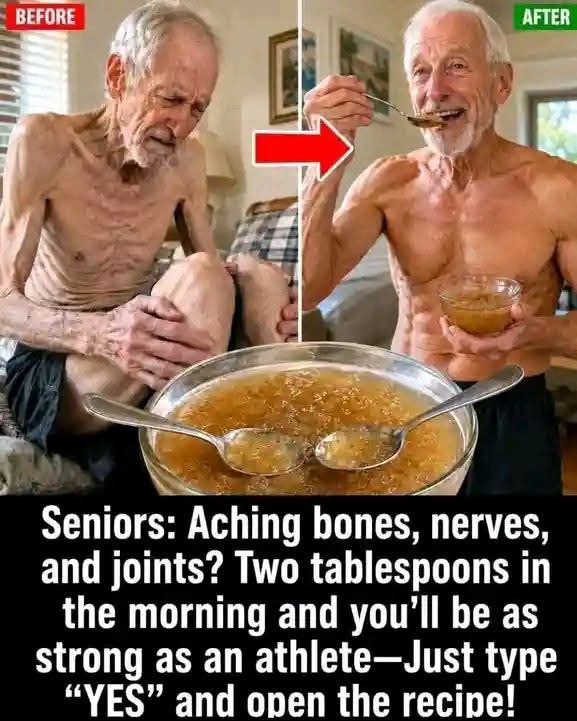
A viral image circulating online claims that eating two tablespoons of a particular homemade mixture every morning can relieve aching bones, nerves, and joints and make older adults as strong as athletes. Claims like these can sound appealing, but they should be treated carefully.
There is no single food or homemade recipe that can guarantee stronger bones, eliminate joint pain, or restore physical strength overnight.
Instead, a better approach is to focus on nutritious foods and consistent lifestyle habits. A varied diet, appropriate physical activity, good sleep, and regular medical care can all contribute to healthy aging.
This article explains how simple nutritious foods can fit into a balanced diet while keeping expectations realistic.
Why Nutrition Matters as We Age
Healthy eating is important throughout life, but nutritional needs can change with age.
The National Institute on Aging recommends that older adults choose a variety of nutrient-dense foods from different food groups, including vegetables, fruits, grains, protein foods, dairy products, and healthy oils.
Eating a varied diet helps provide the nutrients the body needs for normal functions.
Older adults may also experience changes in appetite, taste, digestion, activity levels, or dental health. These changes can sometimes make it harder to consume enough nutritious food.
For this reason, meals should ideally be enjoyable, varied, and rich in useful nutrients rather than relying on one particular recipe.
Supporting Healthy Bones With Food
Bones are living tissues that continuously change throughout life.
Calcium is an important mineral for maintaining normal bones and teeth, while vitamin D helps the body absorb calcium and plays an important role in normal bone health.
Good dietary sources of calcium include foods such as milk, yogurt, cheese, some leafy green vegetables, canned fish with edible bones, and calcium-fortified foods.
People who do not consume dairy products can also obtain calcium from suitable fortified foods and other dietary sources.
However, eating a calcium-rich food does not mean that existing bone problems will automatically disappear.
Bone health depends on many factors, including nutrition, physical activity, age, hormones, genetics, and certain medical conditions.
Vitamin D and Healthy Aging
Vitamin D has an important role in calcium absorption and normal bone mineralization. A prolonged lack of vitamin D can contribute to problems with bone health.
Vitamin D can be obtained from certain foods, supplements, and exposure to sunlight, although the amount produced through sunlight can vary according to many factors.
Older adults should discuss their individual vitamin D needs with a healthcare professional when appropriate.
It is also important not to assume that taking large amounts of vitamin D will automatically improve strength or prevent every bone-related problem. Supplements are not a substitute for a balanced diet or medical care.
The Importance of Protein
Protein is another important part of nutrition for older adults.
Protein-rich foods include eggs, fish, poultry, beans, lentils, yogurt, milk, cheese, tofu, nuts, and seeds.
Including an appropriate protein source in meals can help provide amino acids needed by the body.
Maintaining muscle strength is especially important as people age because muscles support movement, balance, and everyday activities.
The National Institute on Aging notes that physical activity can help protect against age-related loss of muscle mass, strength, and function.
Nutrition and physical activity therefore work together rather than depending on a single food.
A Simple Nutritious Breakfast Idea
Instead of relying on an unverified “miracle” mixture, you can build a simple balanced breakfast using familiar foods.
For example, a breakfast could include:
- Plain yogurt or milk
- Oats or another whole grain
- A piece of fruit
- A small handful of nuts or seeds
- An egg or another suitable protein source
The exact combination can be adjusted according to personal preferences, dietary needs, and medical recommendations.
This type of meal provides several different food groups rather than depending on one ingredient.
A Simple Homemade Food Mixture
If you enjoy homemade mixtures, you can prepare a simple combination of nutritious ingredients as a food rather than as a medical treatment.
One option is a small bowl containing:
- Plain yogurt
- Oats
- Ground nuts or seeds
- Fresh fruit
- A small amount of cinnamon for flavor
Mix the ingredients together and enjoy as part of breakfast or a snack.
This is not intended to treat arthritis, osteoporosis, nerve pain, or other medical conditions.
The purpose is simply to create a convenient meal containing several nutritious foods.
Why Two Tablespoons Cannot Replace Medical Care
The viral claim suggests that taking two tablespoons every morning can solve problems involving bones, nerves, and joints.
This is an example of a health claim that is too broad.
Bone pain, joint pain, muscle weakness, numbness, and nerve symptoms can have many different causes.
For example, persistent joint pain can be associated with arthritis or injury, while weakness can have nutritional, neurological, muscular, medication-related, or other causes.
Because these symptoms can have different origins, treating them all with one homemade recipe would not be appropriate.
A nutritious food can support a healthy diet, but it cannot be assumed to diagnose or treat the underlying cause of a symptom.
What Can Help Maintain Strength as We Age
Maintaining physical strength involves more than food.
Regular movement appropriate for a person’s abilities can be an important part of healthy aging.
The National Institute on Aging reports that physical activity can help protect against age-related loss of muscle mass, strength, and function. It can also support physical function and reduce the risk of falls.
For older adults, activities can include walking, balance exercises, stretching, and appropriately supervised strength exercises.
Anyone with a medical condition, recent injury, significant weakness, or mobility problem should ask a healthcare professional about suitable activities before beginning a new exercise program.
Foods That Can Contribute to a Balanced Diet
There is no need to search for one special food that does everything.
Instead, try to include a variety of foods throughout the week.
Dairy and Fortified Alternatives
Milk, yogurt, cheese, and some fortified plant-based alternatives can provide calcium.
Always check food labels because nutrient amounts vary between products.
Fish
Fish can provide protein and other nutrients. Some types of fish also contain vitamin D.
Eggs
Eggs provide protein and can be included in many simple meals.
Beans and Lentils
Beans and lentils are useful sources of plant protein and can be added to soups, salads, and main dishes.
Fruits and Vegetables
Fruits and vegetables provide vitamins, minerals, fiber, and other naturally occurring compounds.
Eating a variety of colors and types can make meals more interesting and nutritionally diverse.
Nuts and Seeds
Nuts and seeds can provide healthy fats, protein, and minerals. Because they are energy dense, reasonable portions can be useful.
Hydration Is Also Important
Water is an essential part of everyday health.
Some older adults may not feel thirst as strongly as they did when they were younger, so maintaining regular fluid intake can be important.
Water is generally the simplest choice, although other suitable drinks and water-rich foods can also contribute to hydration.
People with certain medical conditions may have specific fluid recommendations, so individual medical advice should take priority.
The Role of Physical Activity
Nutrition is only one part of maintaining physical function.
Regular physical activity can support muscles, balance, mobility, and overall health.
Strength exercises can be particularly relevant to maintaining muscle function, while walking and balance activities can help support everyday mobility.
The appropriate amount and type of exercise depends on age, health status, fitness level, and existing conditions.
The goal should not be to become “as strong as an athlete” because everyone’s physical needs and abilities are different.
Instead, the focus can be on maintaining independence and performing everyday activities comfortably and safely.
When Joint or Bone Pain Should Be Checked
Occasional aches can happen for many reasons, but persistent or unexplained pain should not automatically be blamed on aging.
It is important to seek professional medical advice when pain is severe, persistent, worsening, or associated with swelling, redness, fever, weakness, numbness, or difficulty walking.
A healthcare professional can determine whether further evaluation is needed.
This is particularly important for older adults because bone and joint problems can sometimes require specific treatment.
When Weakness Needs Medical Attention
Sudden or unexplained weakness should not be treated with a homemade recipe.
If weakness develops suddenly, especially if it affects one side of the body or occurs together with difficulty speaking, severe dizziness, chest pain, or other serious symptoms, urgent medical evaluation may be necessary.
Long-lasting weakness can also have many causes and may require a medical assessment.
Food can support nutrition, but it should not be used to delay appropriate medical care.
Why Viral Before and After Images Can Be Misleading
The image associated with this type of claim shows a dramatic transformation between a “before” and “after” appearance.
Such images do not prove that a particular food or recipe caused the change.
Lighting, posture, clothing, facial expression, photography, editing, and other factors can create large differences between photographs.
For health content, before-and-after pictures should therefore not be treated as scientific evidence.
A credible health article should focus on evidence and realistic expectations rather than dramatic transformations.
A Better Approach to Healthy Aging
Healthy aging is not about finding one secret ingredient.
It is about building sustainable habits.
A practical approach can include:
- Eating a variety of nutrient-rich foods
- Including adequate protein
- Getting appropriate calcium and vitamin D
- Drinking enough fluids
- Staying physically active
- Maintaining healthy sleep habits
- Avoiding smoking
- Limiting excessive alcohol
- Keeping regular medical appointments
- Following prescribed treatments when needed
These habits are more realistic than expecting one homemade mixture to solve several different health problems.
Frequently Asked Questions
Can a homemade mixture cure joint pain?
No. A homemade food mixture should not be described as a cure for joint pain. Persistent pain may have different causes and should be evaluated when necessary.
Can two tablespoons make an older person as strong as an athlete?
There is no reliable evidence that taking two tablespoons of a particular homemade mixture can produce this result.
Strength depends on many factors, including muscle mass, physical activity, nutrition, age, health conditions, and genetics.
What nutrients are important for bone health?
Calcium and vitamin D are important for normal bone health, while adequate protein and overall nutrition also contribute to maintaining the body’s tissues.
Is exercise important for older adults?
Yes. Appropriate physical activity can help support muscle strength, physical function, balance, and mobility.
Should older adults take calcium or vitamin D supplements?
Not everyone needs supplements. Nutritional needs vary, and some people may obtain sufficient nutrients through food. A healthcare professional can help determine whether supplementation is appropriate.
Can food replace prescribed medication?
No. Nutritious food can be part of a healthy lifestyle, but it should not replace prescribed medication unless a qualified healthcare professional specifically advises a change.
Final Thoughts
Aging does not mean that people have to stop caring about nutrition, movement, or physical strength.
A varied diet that provides protein, calcium, vitamin D, fruits, vegetables, whole grains, and other nutrients can support overall health. Regular physical activity can also help maintain muscle function, mobility, and independence.
However, there is no single recipe that can guarantee relief from bone pain, joint problems, nerve symptoms, or weakness.
Instead of relying on viral claims promising dramatic results, choose realistic and sustainable habits. Nutritious meals, appropriate exercise, good hydration, adequate rest, and professional medical care when needed are all important parts of healthy aging.
The goal is not to promise a transformation overnight. The goal is to support health with habits that can realistically be maintained over time.
Disclaimer
This article is provided for general educational and informational purposes only. It is not intended to diagnose, treat, cure, or prevent any disease or medical condition. If you experience persistent bone or joint pain, nerve symptoms, unexplained weakness, or other concerning symptoms, consult a qualified healthcare professional.