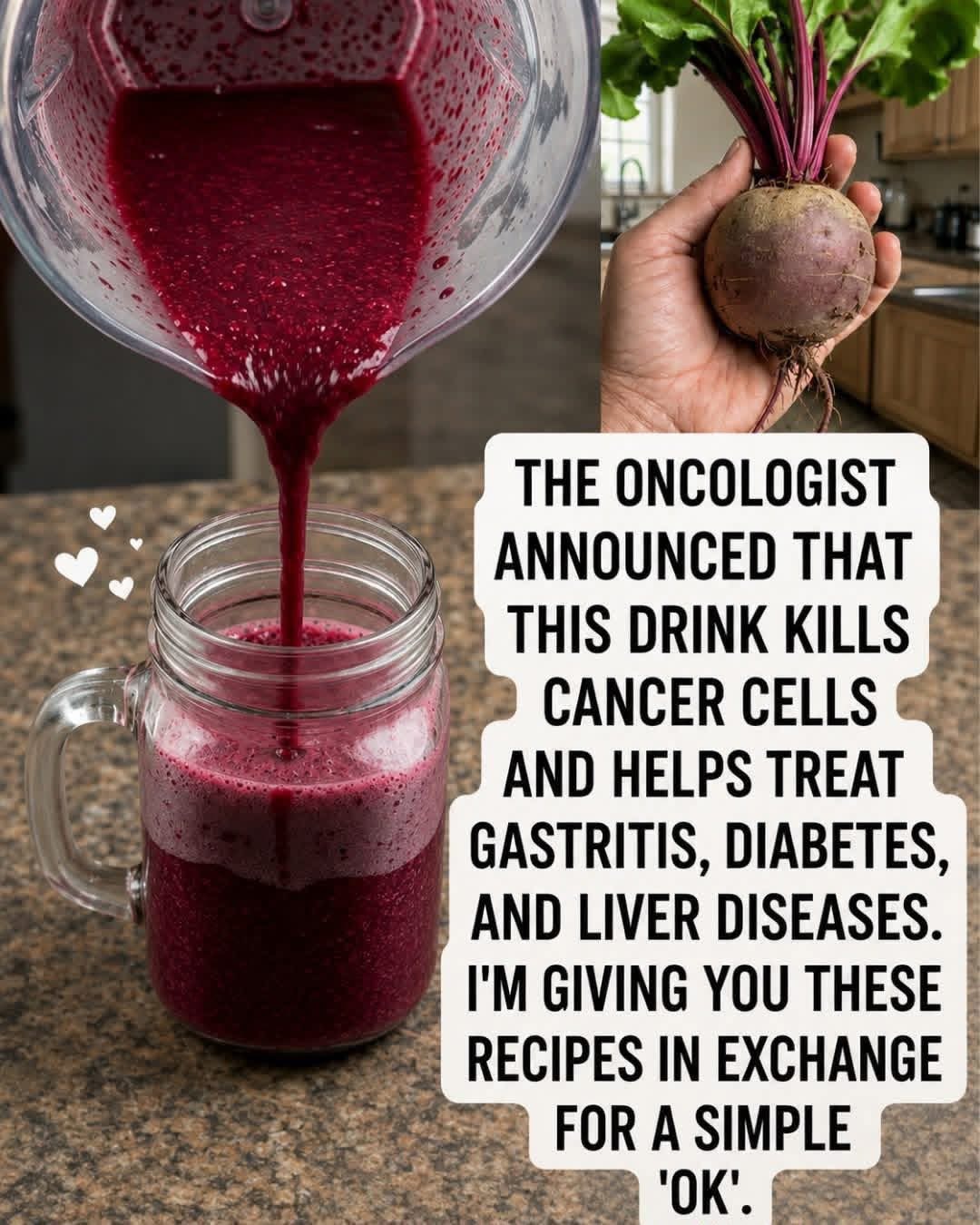
Beetroot juice has become popular on social media because of its deep red color, natural nutrients, and potential health benefits. Some online posts go much further, claiming that beetroot juice can kill cancer cells and treat gastritis, diabetes, and liver disease.
These claims can sound convincing, especially when they are presented as advice from a medical professional. However, a healthy food and a medical treatment are not the same thing. Beetroot can be part of a balanced diet, but there is not enough evidence to say that drinking beetroot juice can cure cancer or replace treatment for diabetes, gastritis, or liver disease.
Understanding what beetroot can realistically offer is important for making healthy choices without relying on exaggerated health claims.
What Is Beetroot
Beetroot, also known as red beet, is the edible root of the Beta vulgaris plant. It contains several nutrients and naturally occurring plant compounds, including folate, potassium, fiber, and dietary nitrates.
Beetroot is also rich in pigments called betalains, which are responsible for its characteristic red or purple color. Beetroot juice can provide some of these compounds in a concentrated form.
Like many vegetables, beetroot can contribute to an overall healthy eating pattern. However, the presence of antioxidants or other beneficial compounds does not automatically mean that a food can treat a disease.
The difference between supporting general health and treating a medical condition is important.
Can Beetroot Juice Kill Cancer Cells
One of the strongest claims in the viral image is that the drink kills cancer cells.
This claim should not be interpreted as an established cancer treatment.
Researchers have studied compounds found in beetroot in laboratory and experimental settings. Some plant compounds may show interesting biological activity in cells or animals. However, laboratory findings do not automatically mean that drinking beetroot juice will destroy cancer cells inside a human body.
Cancer is a complex group of diseases. Different cancers behave differently, and treatment depends on factors such as cancer type, stage, location, and individual patient characteristics.
According to the National Cancer Institute, there is currently no proof that a particular food, vitamin, mineral, supplement, herb, or special diet can slow cancer, cure cancer, or prevent it from returning.
This means beetroot can be included as a nutritious food, but it should not be presented as a replacement for cancer treatment.
Beetroot Juice During Cancer Treatment
Good nutrition can be important for people living with cancer. Depending on the individual and the type of treatment, patients may need adequate calories, protein, fluids, vitamins, and minerals.
Beetroot can be one food among many in a varied diet.
However, people receiving chemotherapy, radiation therapy, immunotherapy, targeted therapy, or other cancer treatments should be careful about using concentrated supplements or large amounts of specific products without discussing them with their healthcare team.
Some foods and supplements can interact with medications or affect treatment in unexpected ways.
A glass of beetroot juice may be very different from a concentrated supplement containing large amounts of beetroot compounds.
The safest approach is to treat beetroot as food rather than as a cancer medicine.
Can Beetroot Treat Diabetes
Another claim in the image says that the drink can help treat diabetes.
Beetroot can certainly be part of a healthy diet, but it should not be considered a treatment or cure for diabetes.
Diabetes management involves controlling blood glucose through an individualized combination of nutrition, physical activity, weight management when appropriate, monitoring, and medications when prescribed.
Beetroot contains carbohydrates, and beetroot juice can contain more readily available carbohydrate per serving than eating the whole vegetable because juicing changes the physical structure of the food.
This does not mean people with diabetes must avoid beetroot. Portion size and the overall meal are important.
People with diabetes should consider how a particular food or drink affects their blood glucose and follow the advice of their healthcare professional.
Most importantly, beetroot juice should never be used to replace prescribed diabetes medication.
Is Beetroot Good for the Liver
The relationship between beetroot and liver health is more complicated than the viral image suggests.
Some research has investigated beetroot juice in people with metabolic conditions and fatty liver disease. A randomized controlled study published in 2023 investigated beetroot juice alongside dietary approaches in adults with nonalcoholic fatty liver disease and reported changes in some liver enzymes and measures of fatty liver.
However, a single study does not establish that beetroot juice can cure liver disease.
Other research reviewing plant-based foods and metabolic outcomes has also reported mixed findings and emphasized the need for further research.
Liver disease can have many causes, including metabolic dysfunction, viral infections, alcohol-related injury, medications, and other medical conditions. Treatment therefore depends on the underlying cause.
Eating vegetables such as beetroot may fit into a healthy eating pattern, but it is not a substitute for diagnosis or medical treatment.
Can Beetroot Juice Treat Gastritis
The viral image also claims that beetroot juice can treat gastritis.
There is currently no good reason to describe beetroot juice as a proven treatment for gastritis.
Gastritis means inflammation or irritation of the stomach lining, and it can have different causes. These may include Helicobacter pylori infection, certain medications, alcohol, autoimmune conditions, and other factors.
Treatment depends on the cause.
For example, when H. pylori is responsible, medical treatment is required to address the infection. When medications or another irritant are involved, a healthcare professional may recommend changes to the treatment or other measures.
Diet can affect how some people feel when they have stomach symptoms, but dietary changes alone do not treat every cause of gastritis.
If beetroot juice causes discomfort, bloating, nausea, or other symptoms, there is no reason to force yourself to drink it simply because a social media post describes it as a treatment.
Why Beetroot Juice Can Still Be a Healthy Choice
Although the strongest claims in the viral image are exaggerated, this does not mean beetroot is unhealthy.
Beetroot is a nutritious vegetable that can contribute to a varied diet.
It provides naturally occurring nutrients and plant compounds. Beetroot also contains dietary nitrates, which the body can convert into nitric oxide. Research has investigated beetroot juice in relation to blood flow, blood pressure, and exercise performance.
These potential benefits are very different from claiming that beetroot cures serious diseases.
A food can be nutritious without being a medicine.
That distinction helps prevent healthy foods from becoming the subject of unrealistic expectations.
Whole Beetroot or Beetroot Juice
There can also be a nutritional difference between eating whole beetroot and drinking its juice.
Whole beetroot contains fiber, which can help make meals more filling and can influence how quickly carbohydrates are absorbed.
Juicing removes much of the solid material and can make it easier to consume a larger amount of beetroot quickly.
For general nutrition, including whole vegetables in meals is often a simple way to obtain nutrients while also adding variety and fiber.
This does not mean beetroot juice is automatically unhealthy. It simply means that portion size and the overall diet matter.
Can Beetroot Juice Replace Medical Treatment
No.
This is the most important point to remember.
Beetroot juice should not replace:
- Cancer treatment prescribed by an oncology team
- Insulin or other prescribed diabetes medicines
- Medical treatment for H. pylori infection
- Medicines prescribed for gastritis
- Treatment for liver disease
- Regular medical monitoring
- Diagnostic tests recommended by a healthcare professional
Stopping prescribed treatment because a food or drink is promoted online can be dangerous.
Natural foods can support a healthy lifestyle, but they should not be presented as substitutes for evidence-based medical care.
What a Balanced Beetroot Drink Can Look Like
If you enjoy beetroot, there is no need to turn it into a complicated “healing” recipe.
A simple homemade drink can contain beetroot combined with water and other foods such as fruit or vegetables.
The purpose should be nutrition and taste rather than treating a disease.
Avoid adding large amounts of sugar simply to make the drink sweeter, especially if you are trying to manage blood glucose.
If you have diabetes, kidney problems, digestive symptoms, are taking medications, or are undergoing cancer treatment, ask your healthcare professional whether concentrated beetroot juice is appropriate for you.
Why Social Media Health Claims Can Be Misleading
Viral health posts often combine a real ingredient with an unsupported medical conclusion.
For example:
“Beetroot contains antioxidants.”
This is a reasonable nutritional statement.
“Therefore beetroot juice kills cancer cells.”
That conclusion does not automatically follow.
Similarly:
“Beetroot contains nutrients that may support a healthy diet.”
This is very different from:
“Beetroot juice treats liver disease.”
The problem is not necessarily the ingredient. The problem is turning limited research or laboratory findings into a promise of disease treatment.
Words such as “kills,” “cures,” “detoxes,” “reverses,” and “guaranteed” should make readers especially cautious.
What the Viral Image Gets Wrong
The image presents several serious medical claims as if they are established facts.
The claim that an oncologist announced that this drink kills cancer cells is not enough evidence by itself. A genuine medical recommendation would need to be supported by reliable clinical research, not simply by a social media graphic.
The claim that the drink treats gastritis, diabetes, and liver disease is also too broad.
These conditions have different causes and require different approaches.
A single drink cannot reasonably be presented as a universal treatment for several unrelated diseases.
When You Should Talk to a Doctor
Do not rely on beetroot juice or another home remedy if you have symptoms that could indicate a serious medical condition.
Seek professional medical advice if you have unexplained weight loss, persistent abdominal pain, repeated vomiting, blood in the stool, black stools, jaundice, persistent changes in blood glucose, unusual fatigue, or any symptoms that concern you.
If you have already been diagnosed with cancer, diabetes, gastritis, or liver disease, follow your healthcare team’s treatment plan.
Food can be part of your care, but it should work alongside appropriate medical management rather than replace it.
Frequently Asked Questions
Does beetroot juice cure cancer?
No. There is no reliable evidence that drinking beetroot juice cures cancer. It can be included in a nutritious diet, but it is not a replacement for cancer treatment.
Can beetroot juice kill cancer cells?
Some compounds from plants may be studied in laboratory research, but laboratory activity is not proof that drinking beetroot juice kills cancer cells in people.
Is beetroot good for people with diabetes?
Beetroot can be included in a balanced diet for many people with diabetes. However, beetroot juice contains carbohydrates and should not be considered a treatment or replacement for diabetes medication.
Can beetroot cure gastritis?
There is no established evidence that beetroot juice cures gastritis. Gastritis can have several causes, and treatment depends on the underlying cause.
Is beetroot good for the liver?
Beetroot contains nutrients and plant compounds that have been studied for potential metabolic and liver-related benefits. Some research is promising, but beetroot juice should not be described as a cure for liver disease.
Is beetroot juice healthy?
For most people, beetroot can be a nutritious part of a varied diet. Whether juice is appropriate depends on the person’s overall diet and health situation.
Final Thoughts
Beetroot is a nutritious vegetable that can have a place in a healthy diet. Research has explored beetroot and beetroot juice for several areas of health, including blood flow, exercise performance, metabolic health, and liver-related outcomes.
However, the claims shown in the viral image go far beyond what the evidence currently supports.
Beetroot juice should not be described as a cancer cure, diabetes treatment, gastritis treatment, or universal remedy for liver disease.
The safest way to think about beetroot is as a nutritious food that may contribute to an overall healthy lifestyle. Serious medical conditions require proper diagnosis, monitoring, and evidence-based treatment.
Key Takeaways
- Beetroot is a nutritious vegetable containing several beneficial nutrients and plant compounds.
- Beetroot juice is not a proven cure for cancer.
- Beetroot should not replace diabetes medication or medical care.
- There is no established evidence that beetroot juice cures gastritis.
- Research on beetroot and liver health is interesting but does not prove that it cures liver disease.
- Whole beetroot can provide fiber that may be reduced when the vegetable is juiced.
- People receiving cancer treatment should discuss concentrated supplements or unusual dietary practices with their healthcare team.
- Viral health claims should be checked against reliable medical and scientific sources before being shared.
- A healthy food can support nutrition without being a medical treatment.
Health Disclaimer
This article is provided for general educational purposes only. It is not intended to diagnose, treat, cure, or prevent any disease. Anyone with cancer, diabetes, gastritis, liver disease, or another medical condition should speak with a qualified healthcare professional before changing treatment or using food, supplements, or home remedies as an alternative to medical care.